How water stress is reshaping sustainable luxury in Egypt
Egypt sits in a band of extreme water stress, and luxury hotels feel it first. In a sustainable luxury hotel in Egypt, water is no longer a background utility but a strategic resource that shapes design, staffing and guest experience. For business leisure travelers, the choice of hotel in Egypt now quietly signals where they stand on sustainability and long term climate resilience.
Across the country’s luxury hotels, water consumption can reach several hundred litres per guest each day, especially in resorts with multiple pools, landscaped gardens and high service levels. The International Tourism Partnership and UN Environment have both reported typical ranges of roughly 300–800 litres per guest per night in upscale properties, which aligns with figures shared by several Egyptian resort operators and internal audits. That volume collides with a national reality where the Nile is under pressure, rainfall is minimal and climate volatility threatens both agriculture and tourism. The most forward looking hotels in Egypt are treating water, energy and waste as a single environmental management puzzle, not three separate checklists.
In Cairo, properties along the Cairo Nile corridor are rethinking what it means to be green while still delivering polished service to executives and conference groups. Some hotels in Cairo are pairing water conservation measures with energy efficiency retrofits, from low flow fixtures to smart irrigation systems that respond to soil moisture rather than fixed timers. These strategies reduce operational costs, cut the carbon footprint of urban tourism and create a quieter, more eco friendly guest experience that feels considered rather than performative.
Red Sea desalination and solar power: inside the new infrastructure
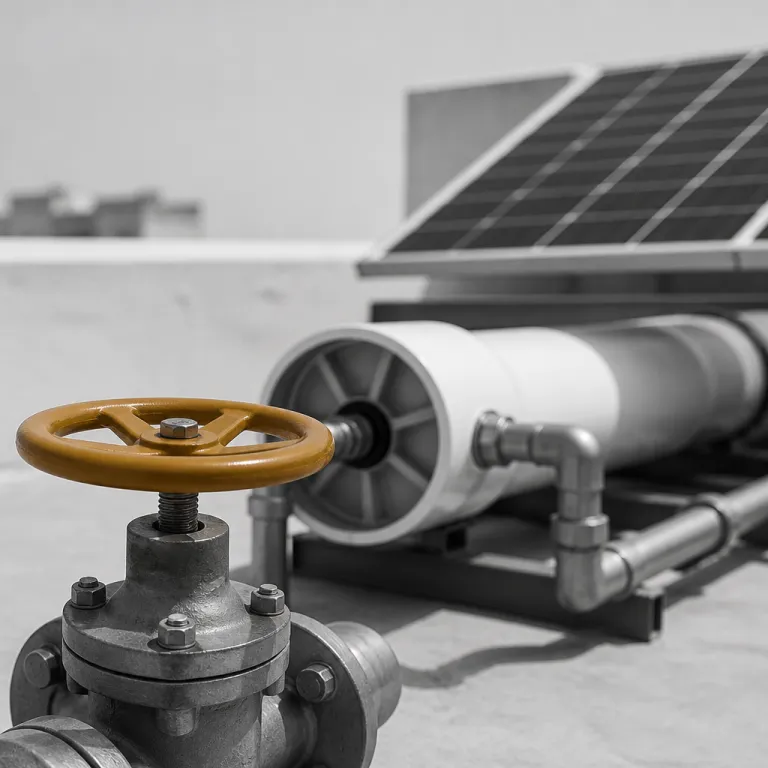
On the Red Sea coast, the sustainable luxury story is written in pipes, pumps and photovoltaic panels. Many luxury hotels in Marsa Alam, Hurghada and Sharm El Sheikh now rely on desalination plants to turn seawater into potable water for rooms, kitchens and pools. The most advanced sustainable hotels pair this desalination with renewable energy so that every litre produced carries a lower carbon cost.
A standout example is the solar powered desalination plant serving the eco friendly Marsa Shagra resort near Marsa Alam, developed with KarmSolar and its water division KarmWater. Company case studies describe solar arrays driving reverse osmosis units that can produce on the order of 300 cubic metres of fresh water per day, cutting water costs by roughly a quarter compared with conventional diesel powered systems and slashing the energy share of desalination, which traditionally accounts for a large portion of operating expenses. This is sustainable luxury in practice, where infrastructure decisions about water management, energy sourcing and waste management sit behind the relaxed beachside calm.
For travelers comparing hotels Egypt wide, the nuance matters because not all desalination is equal in terms of sustainability and carbon footprint. Technical assessments of diesel driven plants often cite emissions of several kilograms of CO2 per cubic metre of water, while well designed solar powered reverse osmosis can reduce that figure to well under a kilogram depending on system design and operating conditions. Some resorts still run energy intensive plants on diesel, while others are moving toward fully renewable energy systems or at least solar hot water to reduce the level of fossil fuel dependence. When you read a property’s sustainability page or a detailed field guide to what luxury hotel standards in Egypt actually mean, look for specifics on desalination technology, solar capacity and concrete water conservation measures rather than vague green language.
From solar hot water to full solar grids: what investment levels mean
Not every sustainable luxury hotel initiative in Egypt involves a dramatic new plant on the shoreline. Many city hotels and desert lodges start with solar hot water systems, which preheat water for guest rooms, laundries and kitchens, reducing the energy needed from gas or grid electricity. This first level of investment is often the most cost effective step, especially for existing buildings in Cairo or Alexandria where roof space is limited.
Full solar power systems, by contrast, aim to cover a much higher share of a hotel’s total energy demand, from chillers to back of house operations. These grids require more capital, sophisticated management and careful integration with local regulations, but they dramatically lower long term operating costs and the property’s carbon footprint. For business travelers weighing where to stay on a Cairo Nile trip, a hotel that has moved beyond token solar panels to serious renewable energy capacity signals a deeper commitment to sustainability and climate aware tourism.
Some of the most ambitious projects in Egypt’s tourism sector are supported by international green development initiatives that help finance renewable energy and water management upgrades. These programmes often require robust reporting on environmental performance, pushing hotels toward better data on energy use, water consumption and waste flows. If you are planning a carbon light business trip to Cairo, look for properties that publish such data, disclose per guest indicators where possible and align with national eco certification schemes rather than relying on unverified green claims.
Desert oases, greywater, and the Siwa model of restraint
Far from the Cairo Nile skyline, the sustainable luxury hotel story in Egypt takes a different shape in the Western Desert. Around Siwa Oasis and Dakhla, water is finite, fragile and visibly precious, so sustainable practices are woven into daily life rather than framed as optional extras. Here, luxury hotels lean into natural materials, low rise architecture and a slower rhythm that respects both climate and culture.
Adrère Amellal near Siwa Oasis is often cited as a benchmark for sustainable hotels in Egypt, built from local stone and salt, lit largely by candles and grounded in traditional water management. Greywater from sinks and showers is treated and reused for irrigation, while food waste is minimized through tight menu planning and composting that feeds on site gardens. This is sustainable luxury that feels elemental, where the line between environmental measures and guest experience disappears into the desert horizon.
Greywater recycling systems in these hotels reduce demand on fragile aquifers and cut the energy required to pump fresh water, reinforcing the link between water conservation and carbon reduction. Guests notice the difference in small details, from the texture of natural materials underfoot to the taste of locally sourced produce grown with careful water use. For travelers comparing desert hotels, ask how greywater is handled, how waste management is organized and whether the property participates in recognized programmes such as Green Globe or national green star schemes.
The business case: costs, credentials, and what travelers should check
Behind the scenes, the sustainable luxury hotel transition in Egypt is driven as much by spreadsheets as by ethics. Water, energy and waste are three of the largest controllable operating costs in luxury hotels, especially in resorts with extensive landscaping and high occupancy. When management invests in efficient water management, renewable energy and serious waste management, the savings compound over the long term and free capital for service enhancements.
Solar powered desalination projects on the Red Sea illustrate this logic clearly, where integrating solar energy with desalination reduces both water costs and emissions. As one technical summary from the developer puts it, “KarmWater is KarmSolar's water solutions division focusing on solar-powered desalination.” Company figures indicate that replacing diesel powered desalination with solar based systems can cut electricity use per cubic metre of water by more than half, depending on plant design and operating profile. For hotel owners, this kind of partnership lowers exposure to volatile fuel prices, reduces the property’s carbon footprint and strengthens its positioning with climate conscious guests from markets such as Europe, North America and neighbouring Saudi Arabia.
For business leisure travelers, the practical question is how to read sustainability claims when booking hotels in Egypt for a Cairo meeting or a Red Sea reset. As a simple checklist, look for: quantified water conservation strategies such as low flow fixtures and irrigation controls; evidence of greywater reuse or treated wastewater for landscaping; desalination powered partly or fully by renewable energy; clear policies on food waste and locally sourced ingredients; and independent certifications or transparent reporting. Certifications, transparent reporting and alignment with national eco programmes signal that sustainable practices are embedded at management level rather than treated as marketing, and they help ensure that your stay supports a quieter, more responsible war on water waste.
FAQ
How much water does a typical luxury hotel in Egypt use per guest ?
High end hotels in Egypt often use several hundred litres of water per guest each day, once you include showers, laundry, pools and landscaped gardens. International benchmarks for upscale properties commonly fall in the 300–800 litre range per guest per night, and Egyptian resorts with extensive landscaping tend to sit toward the upper end of that spectrum. Properties that invest in water conservation measures, such as low flow fixtures and smart irrigation, can significantly reduce this figure without compromising comfort. When booking, you can ask the hotel whether they track per guest water use and what strategies they employ to lower it.
What makes desalination at Red Sea resorts more sustainable ?
Desalination becomes more sustainable when the energy that powers it comes from renewable sources rather than diesel or heavy fuel oil. Conventional diesel powered reverse osmosis can consume several kilowatt hours of electricity per cubic metre of water, with associated CO2 emissions, while solar powered systems can deliver similar volumes with far lower lifecycle emissions per unit of water. At some Red Sea resorts, solar panels now drive reverse osmosis systems, cutting both operating costs and emissions per cubic metre of water produced. Guests can look for hotels that specify solar powered desalination or partnerships with specialist providers rather than generic references to in house plants.
How do Siwa and other desert oases manage hotel water use ?
In Siwa Oasis and similar desert regions, hotels rely on a mix of traditional water wisdom and modern greywater systems to keep consumption in check. Treated greywater from sinks and showers is reused for irrigation, while landscaping is designed around native plants that need less water. This approach reduces pressure on fragile aquifers and aligns luxury with restraint rather than excess.
What should business travelers check in a hotel’s sustainability claims ?
Business travelers should look for concrete details on water management, energy sourcing and waste management rather than broad green statements. Key indicators include solar hot water or full solar power, greywater reuse, desalination powered by renewable energy and clear policies on food waste and locally sourced ingredients. Independent certifications and transparent reporting add another layer of credibility to these claims.
Does choosing a sustainable hotel in Egypt really make a difference ?
Choosing a hotel with serious sustainable practices helps shift demand toward properties that invest in responsible infrastructure. In a water stressed country like Egypt, each guest night at a hotel that manages water, energy and waste efficiently has a lower environmental impact than at a conventional property. Over time, this demand encourages more hotels to adopt similar measures, amplifying the effect beyond a single stay.