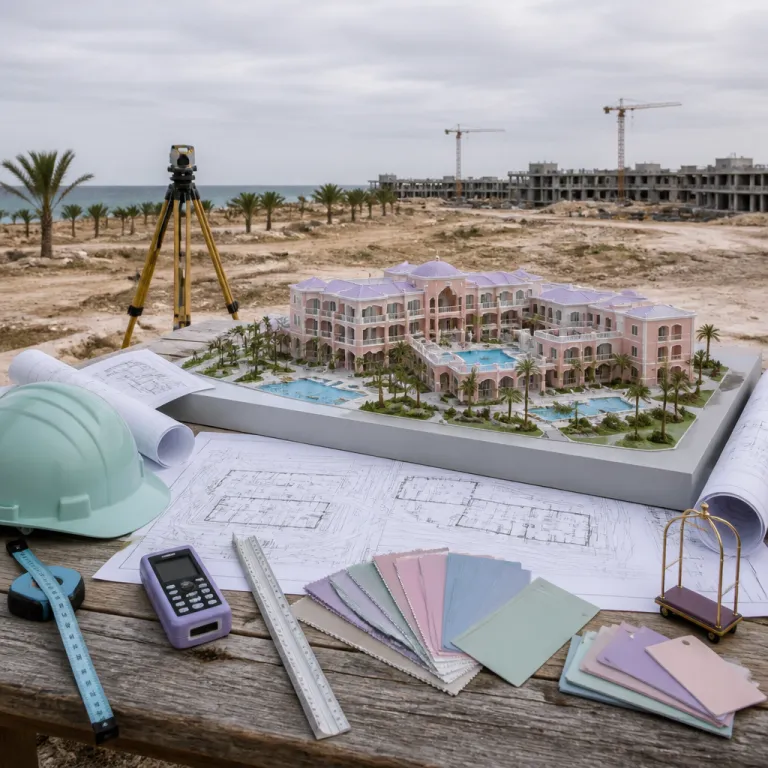
What Egypt’s 300,000 room target means for luxury travelers
Egypt’s tourism authority has placed a bold capacity bet that will reshape every luxury hotel search long before the target date arrives. At The Investor Conference, Egyptian Tourism Authority CEO Mostafa Mounir framed it clearly when he said, “What is Egypt's 2030 tourism goal? To have 300,000 hotel rooms and attract 30 million tourists annually.” For travelers planning a hotel Egypt 2026 itinerary, this expansion already influences where to stay, how far in advance to book, and which emerging districts in Cairo Egypt or along the Red Sea will feel genuinely new.
The strategy rests on three pillars that matter directly to guests who care about service, not just room counts. Authorities are combining investment reforms, infrastructure development, and policy adjustments with an innovation push that converts underutilized housing into hotel managed assets, raising questions about whether these will become true luxury hotels or simply rebranded apartments. For discerning travelers comparing hotels Egypt wide, the difference between a fully serviced luxury resort and a lightly converted block in upper Egypt or on the fringe of Hurghada Egypt will be felt in everything from housekeeping standards to concierge depth.
Current capacity stands at roughly 210,000 rooms nationwide, with the government targeting 300,000 keys and 30 million annual visitors through a mix of new builds and conversions. That means the hotel and resort pipeline is not abstract ; it is already visible in cranes along the Nile in Cairo, in new sea resorts near Hurghada and Sahl Hasheesh, and in resort Sharm corridors stretching between Naama Bay and the quieter stretches of Sharm Sheikh Egypt. For travelers, the question is not whether more hotels and resorts will open, but which Egypt offer will translate into the best balance of luxury, authenticity, and price in the hotel Egypt 2026 landscape.
From housing conversions to Red Sea openings: where change will be felt first
The most immediate shift for guests will come from the conversion of tourism housing into professionally managed hotels and luxury resorts, especially in the Red Sea and South Sinai focus zones. In practice, this means apartment style blocks in Hurghada, Sahl Hasheesh, and Gouna being upgraded with hotel level services, turning informal rentals into bookable hotels Egypt wide on international platforms. For travelers, the key question is whether these converted properties will match the consistency of a purpose built luxury resort in Egypt Sharm or remain a half step between private rental and full service hotel.
On the ground in Hurghada Egypt, you already see older sea facing buildings being repositioned as inclusive or semi inclusive beach resort options, with operators promising Egypt inclusive packages that compete with established sea resorts. Some will succeed, especially where owners invest in training, F&B concepts, and proper beach infrastructure along the Red Sea shoreline. Others may simply add a buffet and a pool bar, which will not satisfy couples used to the polished standards of a Rixos Premium property or a tightly run resort Sharm complex in Sharm Sheikh.
Pipeline data shows the Red Sea region and South Sinai capturing the largest share of new luxury hotels and resorts, with 157 projects and more than 33,000 rooms under development nationwide. For travelers planning a hotel Egypt 2026 trip, that translates into a denser cluster of luxury resorts around Sharm Sheikh, Hurghada, Sahl Hasheesh, and Gouna, where competition should gradually temper rates at the upper end. Our early read, based on site visits and opening calendars such as those tracked in our Egypt luxury openings assessment, is that the Red Sea will see the most reliable new stock, while some inland projects in upper Egypt slip quietly down the timeline.
How the capacity push will reshape booking strategies from Cairo to Luxor
For business leisure travelers extending a stay in Cairo Egypt, the capacity drive will mean more choice in both corporate friendly hotels and characterful luxury properties along the Nile. The government’s plan to link converted housing and new builds to international booking platforms should make it easier to compare hotels Egypt wide, but it will also flood search results with uneven options. In this environment, curated platforms such as myegyptstay.com become filters, separating a true luxury resort on the Red Sea from a basic beach resort that simply advertises an Egypt inclusive deal.
Along the Nile corridor from Cairo Luxor to Aswan in upper Egypt, the expansion will be more measured, with a focus on upgrading existing hotels and river facing resorts rather than mass new builds. Here, the most interesting developments for couples and small groups will be at the intersection of classic Nile cruising and high end city stays, where a stay at a heritage hotel in Cairo pairs with a refined felucca or dahabiya experience. Our guide to staying by the Giza golf course already shows how a single hotel can anchor both meetings and leisure, a pattern likely to repeat as more luxury hotels open in strategic Cairo and Nile side locations.
For those planning Egypt travel focused on the Red Sea, Sharm Sheikh, or Hurghada, the capacity surge will reward travelers who look beyond headline names and study how each resort handles service, privacy, and access to the sea. Couples seeking quiet will likely gravitate toward carefully managed sea resorts in Sahl Hasheesh or Gouna, while families may prefer larger inclusive complexes in Egypt Sharm or Hurghada Egypt that balance kids’ clubs with adult only zones. To navigate this evolving hotel Egypt 2026 map, our luxury Egypt tours and hotel curation focus on matching travelers with the best resorts and hotels for their specific rhythm, whether that means a Rixos Premium style all inclusive, a discreet beach resort, or a Nile facing city hotel that turns a work trip into a quietly luxurious escape.