Egypt hotel pipeline 2026 and what it means for your next stay
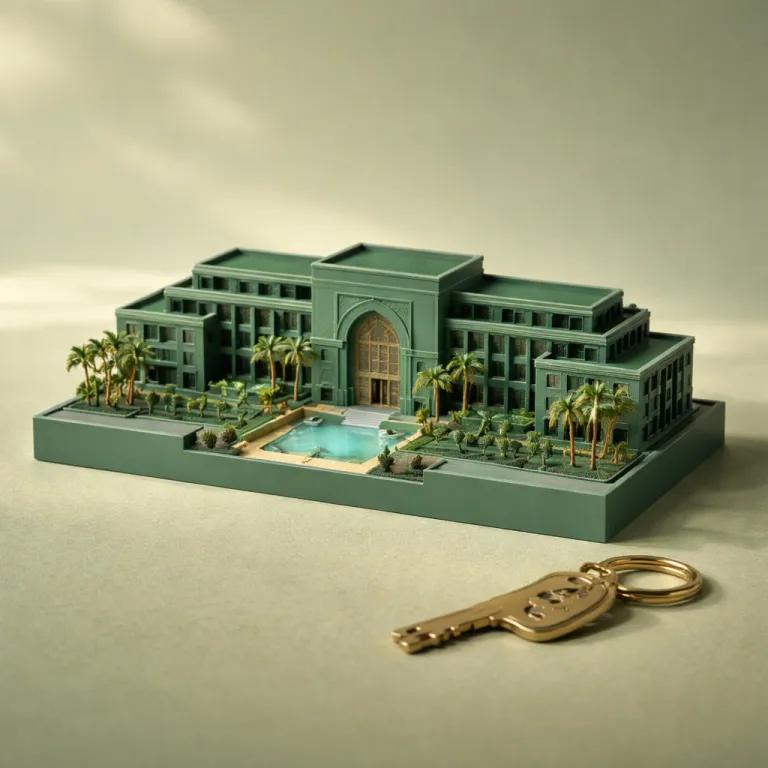
Egypt now leads Africa’s hotel development pipeline, and that changes how you should plan a luxury stay. According to the W Hospitality Group’s Hotel Chain Development Pipelines in Africa 2024 report, Egypt’s pipeline includes 109 planned hotels with 27,568 rooms, representing roughly a quarter of the total Africa figure of just over 109,000 rooms and signalling a decisive shift in regional tourism power. For travelers reading egypt hotel pipeline 2026 headlines as mere industry news, this scale of hotel development is actually a practical roadmap for where the most interesting hotel rooms will open and when.
The Egyptian Government acts as a facilitator, using public private partnerships, tax breaks and infrastructure development to attract every major international hotel chain into the country. International hotel chains and local developers such as Talaat Moustafa Group, Orascom Development and Palm Hills now treat Egypt as the anchor of north Africa and the wider Middle East, with chain development strategies that link Cairo to Sharm El Sheikh, Marsa Alam, Ain Sokhna and eventually broader Egypt–Morocco travel corridors. This coordinated development pipeline means that a single hotel project rarely stands alone; it usually sits inside a wider construction pipeline of hotels, resorts, branded residences and mixed use real estate that will shape each destination’s character for the long term.
W Hospitality Group’s latest publicly available data notes a double digit year on year growth in Egypt’s hotel development, driven by a surge of new projects signed in the previous year alone. Their figures show that more than half of Egyptian pipeline rooms are already under active construction, which means the gap between signing and opening will affect when you actually sleep in these new hotels. As the group states in its own words, “Egypt leads Africa with the largest number of planned hotels and rooms in the development pipeline,” a trend that is expected to continue into the egypt hotel pipeline 2026 horizon, with many openings clustered between 2025 and 2027 and a smaller tail of projects completing after 2028.
Cairo saturation, pricing shifts and how to read the brands
Greater Cairo is the epicentre of the egypt hotel pipeline 2026 story, with a dense cluster of projects and pipeline rooms that already account for a significant share of the entire Africa hotel pipeline. Four operators dominate this development pipeline in the capital: Accor, Marriott, Hilton and IHG, together controlling a large portion of the rooms that will redefine the city’s luxury hospitality profile. For a business leisure traveler, that concentration means more choice at the top end of hotels and resorts, but also a real risk of generic chain development if you do not read each hotel group’s positioning carefully.
In practical terms, Cairo’s east and west bank districts will feel the first wave of saturation, especially around the new administrative capital and airport corridors where construction pipeline activity is most intense. As these projects move from pipeline to opening, expect aggressive pricing in some hotel rooms as operators chase occupancy, while iconic Nile view properties and heritage addresses maintain a scarcity premium. If you are planning luxury Egypt tours that combine Cairo with the Red Sea or Upper Egypt, this is the moment to leverage flexible dates and negotiate added value rather than simply hunting for the lowest rate; in a market where Egypt now outpaces Nigeria, Morocco and Ethiopia in signed pipeline rooms, the most interesting value often lies in upgrades, late check-out and bundled experiences rather than headline discounts alone.
For travelers, the egypt hotel pipeline 2026 data becomes a quality filter rather than just industry news; a dense cluster of development in one district can signal strong future service ecosystems, but it can also mean traffic, construction noise and a race to the middle in design. When you see a hospitality group announcing multiple projects in east Cairo and Giza, ask whether their development pipelines include differentiated concepts or just copy paste resorts. Our own field guide to what luxury hotel in Egypt actually means explains how to read brand promises against on the ground reality, from lobby design and room soundproofing to how the concierge handles last minute felucca charters or a same day museum visit in the Grand Egyptian Museum era.
Beyond Cairo: resort pipelines, scarcity premiums and booking strategy
Outside the capital, the egypt hotel pipeline 2026 narrative is more nuanced and, for many readers, more interesting. Sharm El Sheikh counts several new projects with large room counts, while Marsa Alam and Ain Sokhna host a growing roster of resorts, creating a string of new hotels along the Red Sea that will appeal to both diving purists and executives extending a Cairo trip into a long weekend. These resort projects sit inside wider development pipelines that blend hotels, branded residences and leisure real estate, which means the feel of each bay or headland will change over the long term as construction completes and supporting restaurants, marinas and beach clubs open.
Yet the most coveted experiences in Egypt’s hospitality landscape still lie outside the main construction pipeline, in places where a single hotel or camp defines the entire destination. Think Siwa’s palm groves, dahabeyas moored quietly on the Nile or a desert camp in the White Desert where there is no hotel chain signage at all. In these locations, the absence of a formal development pipeline creates a scarcity premium; rooms are few, character is high and you will need to book early and accept that rates will not follow Cairo’s discount cycles, with Siwa lodges and White Desert camps often requiring reservations six to nine months ahead in peak season compared with three to four months for new Red Sea openings.
For the next travel cycle, smart travelers will treat egypt hotel pipeline 2026 data as one input among many, balancing the comfort of new rooms in internationally branded properties with the authenticity of single property destinations. When you plan a luxury hotel reservation in Egypt, combine a Cairo or north Africa business hub stay with a quieter leg where pipelines Africa statistics barely register. To align your own booking strategy with these shifts in tourism and hospitality, use a simple checklist: confirm projected opening dates directly with the hotel, track soft opening periods when service can be uneven but rates are lower, secure scarce desert or oasis stays as soon as flights are fixed, and only then layer in flexible nights in pipeline driven city or resort hotels that can usually absorb last minute changes.