What “siwa luxury desert hotel” really means now
In Egypt, the phrase siwa luxury desert hotel no longer means themed tents beside a resort pool. It now signals a remote oasis stay where every room, every dune, and every hot spring is part of a carefully choreographed experience that feels both ancient and sharply contemporary. For solo travelers planning a trip Egypt wide, this new category stretches from the salt carved walls of Adrere Amellal near Siwa Oasis to the tented camps of the White Desert, with each property asking what comfort should look like when the nearest town is hours away.
Siwa Egypt has become the quiet epicenter of this shift, with properties such as Adrere Amellal and newer eco lodges including KAZAZIAN SIWA redefining what an environmentally minded retreat can be in a living oasis. Here, the desert is not a backdrop but the main amenity, from the white mountain silhouettes of Gebel Dakrour to the mirror calm of Siwa Lake and the salt pools that fringe its shores. When you book hotels Siwa side through a specialist platform or directly with the lodges, you are not just choosing a hotel room; you are choosing how close you want to sleep to the mountain, how dark you want the night to be, and how much silence you are ready to hear.
This is also where the story of Adrere Amellal and the broader lodge Siwa scene becomes a lesson in access. Distance is no longer a drawback but part of the product, which is why some high end retreats now lean on charter flight access from Cairo while Adrere Amellal and Taziry Ecovillage keep you committed to the long desert road. For a solo explorer planning a stay Siwa way, the decision between a quick hop on a small plane to an eco minded runway lodge and a slow eight to ten hour drive from Cairo to a candlelit fortress is the first real choice of the trip.
Runways, remoteness, and the cost of reaching the oasis
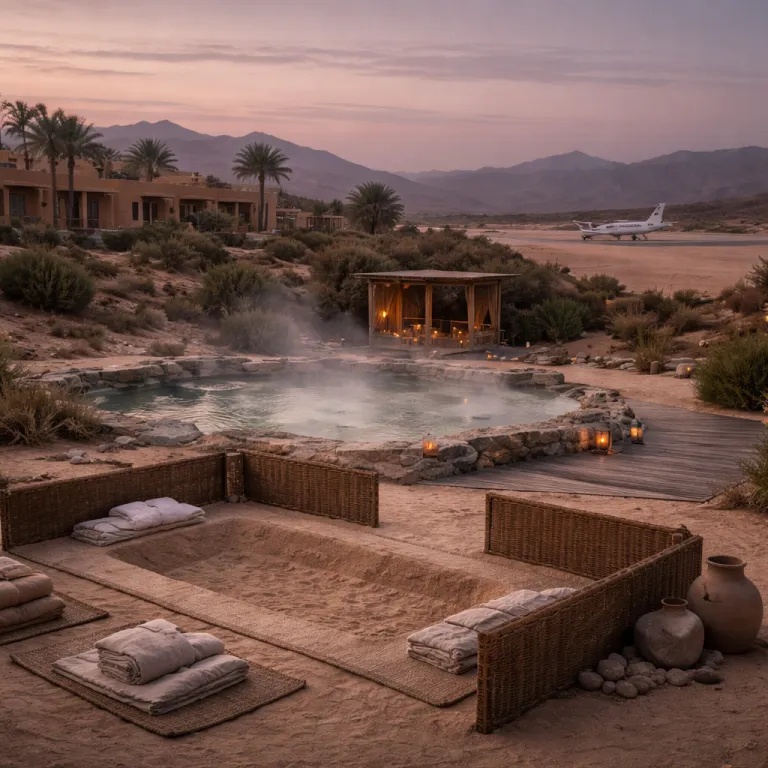
The most striking shift in the Siwa luxury desert hotel landscape is the way travelers now arrive. KAZAZIAN SIWA occupies an expansive site in the Siwa Oasis, with a very small number of suites and access for private or charter aircraft, turning the journey from Cairo into a short flight rather than an all day drive through the Western Desert. That kind of direct arrival is not a vanity project; it is an access strategy that allows an intimate lodge to exist far from any town while still attracting travelers who value time as much as they value silence.
By contrast, reaching Adrere Amellal or Taziry Ecovillage means committing to the long road into Siwa town, then continuing out toward the white mountain that gives Adrere Amellal its name. The Amellal Siwa landscape, with its chalk cliffs and palm groves, unfolds slowly through the car window, and the desert itself becomes the prologue to your stay. For many solo travelers, that gradual approach is part of the appeal, especially when the first glimpse of the lodge reveals salt and mud brick walls rising from the oasis like an extension of the Shali fortress ruins in old Siwa town.
Runway or road, the economics are similar; a handful of rooms in such a remote desert oasis means that each guest effectively funds a significant share of the operation. Staff must be housed on site, supplies and fresh produce must be brought in over long distances, and every private room requires its own water and waste systems, especially in eco properties that avoid conventional infrastructure and rely on techniques such as greywater reuse and low impact generators. When you compare places to stay across Egypt, from Nile city hotels to a lodge Siwa side, the nightly rate at a high end desert retreat—often starting in the mid to high hundreds of US dollars and rising for suites—reflects not just the room you sleep in but the entire small ecosystem that keeps that room cool, lit, and quietly luxurious in the middle of the sands.
Karshif walls, salt blocks, and geological wellness as a spa menu
Architecture is where the Siwa luxury desert hotel category feels most distinct from coastal resorts. Adrere Amellal, Taziry Ecovillage, and several newer eco lodge projects around Siwa Oasis use karshif, a traditional mix of mud and salt from Siwa Lake, to build thick walls that regulate temperature without air conditioning. In these lodges, the room is not a sealed box but a breathing structure, and the white mountain behind Adrere Amellal or the nearby Dakrour mountain becomes part of the thermal logic, shading certain rooms at key times of day and reducing the need for mechanical cooling.
Geology also shapes the wellness offering, especially at KAZAZIAN SIWA with its SIWI Spa and at wellness focused stays near Dakrour mountain in Siwa town. Sand burial therapy, where guests are briefly buried in hot desert sand to ease rheumatism and joint pain, is supervised by local Bedouin healers who have worked these dunes for generations and follow protocols agreed with local health authorities. As one Siwan guide explained during a recent season, “We follow what our fathers did, but we adjust the time in the sand for each guest so it feels strong, not dangerous.”
Those same geological forces feed sulfur hot spring baths and natural salt pools, which many Siwa luxury desert hotel guests now treat as seriously as any imported spa treatment. At KAZAZIAN SIWA, the SIWI Spa combines sand burying, salt lake therapy, and sulfur springs in a structured program that mirrors long standing therapeutic tourism patterns in Siwa Egypt, typically alternating hotter sessions with long rest periods and careful hydration. A typical day might include a morning sand burial near Dakrour mountain, an afternoon rest with herbal drinks in shaded dining areas, and a night soak in a private pool under a sky so clear that the desert itself feels like an open air room.
Silence, candlelight, and the realities of solo travel in the deep desert
For solo travelers, the most valuable amenity at a Siwa luxury desert hotel is often not the spa but the silence. Adrere Amellal, with its roughly forty rooms built from salt blocks and mud, famously operates with minimal electricity, relying on candles and starlight to shape the night and the mood. Walking from your private room to the dining areas after dark, guided only by lanterns and the outline of the white mountain, can feel like stepping sideways in time, especially when you remember that Alexander the Great once crossed this same oasis to consult the oracle of Amun.
The White Desert glamping camps near Bahariya offer a different version of that solitude, with tented rooms pitched among chalk formations that glow blue under the moon. Here, the lodge is mobile and the stay is usually just a night or two, but the effect is similar; the desert becomes the main companion, and the nearest town is a distant glow on the horizon. For many guests on a broader trip Egypt itinerary, combining a stay Adrere style in Siwa with a White Desert camp creates a layered understanding of how varied the desert can be.
This depth comes with trade offs that every traveler should weigh honestly before booking any of these places to stay. Anyone who needs reliable connectivity for work, who feels uneasy in low light, or who dislikes the idea of a small property where staff know your name by the first night may find a Siwa luxury desert hotel challenging. In that case, a more conventional hotel in Siwa town or a Nile side property with stronger mobile coverage and brighter public spaces might be a better stay, leaving the eco lodge and runway based retreats for a future trip when silence, salt air, and candlelit rooms feel like the right kind of luxury.
How to choose your oasis stay: from runway lodges to fortress walls
Choosing between KAZAZIAN SIWA, Adrere Amellal, Taziry Ecovillage, and the White Desert camps starts with clarifying what you want from your Siwa luxury desert hotel stay. If time is tight and you want a highly curated experience with spa programs built around sand burial, salt pools, and sulfur springs, then the charter friendly runway access and ten room scale of KAZAZIAN SIWA make strong sense. Travelers who prefer a more elemental connection to the oasis, with candlelit nights and architecture that feels almost archaeological, tend to gravitate toward Adrere Amellal or the karshif built houses of Taziry.
Room categories across these properties are usually simple on paper but rich in atmosphere, with most lodges offering a mix of double rooms and larger suites that can feel like private houses. At Adrere Amellal, some rooms are carved into the base of the mountain, while others face Siwa Lake or the palm groves, and the absence of conventional power in many spaces means that the position of windows and the thickness of salt walls matter more than thread count. KAZAZIAN SIWA, by contrast, leans into contemporary comfort, with carefully detailed rooms spread across a vast site so that even when the lodge is full, it still feels small and private.
Food is another decisive factor, and it is where local culture and luxury intersect most clearly in Siwa Egypt. Many travelers planning a trip Egypt wide now use specialist guides such as MyEgyptStay’s piece on culinary adventures through luxury hotel booking to understand how dining works in remote lodges. In Siwa, expect menus built around local dates, olives, and vegetables, with dining areas often open to the night air so that the line between room, restaurant, and desert stays beautifully blurred, and with advance notice most kitchens can adapt dishes for vegetarian, vegan, or gluten free diets.
When the deep desert stay is, and is not, the right call
Not every traveler will thrive at a Siwa luxury desert hotel, and that is part of the category’s integrity. These lodges are designed for guests who value remoteness, who are comfortable with a small social circle of fellow travelers, and who see eco practices such as karshif walls and limited lighting as luxuries rather than compromises. If you are planning a solo trip and feel energized by the idea of long walks between the Shali fortress ruins, the hot spring pools, and your lodge’s salt walled rooms, then Siwa Oasis is likely to reward you richly.
On the other hand, anyone with respiratory issues, cardiovascular concerns, or severe claustrophobia should approach sand burial therapy and intense heat with caution, ideally under medical advice before traveling. Local tourism authorities and wellness resorts in Siwa work with Bedouin practitioners to structure sessions carefully, usually in the cooler morning hours, followed by rest and hydration in shaded tents or indoor rooms. Sulfur springs are generally considered safe when used appropriately under guidance, and the same applies to hot spring baths and salt lake soaks, but self awareness is essential in a climate where summer temperatures can reach around thirty five degrees Celsius during the main therapy season.
For many, the ideal approach is to weave a Siwa luxury desert hotel stay into a broader Egypt itinerary that includes Nile side cities, coastal resorts, and perhaps a night or two in the White Desert. That way, the intensity of a candlelit lodge or a runway based eco retreat becomes a highlight rather than the entire trip, and you can balance days of deep silence with nights in livelier town hotels. In the end, the new Egyptian desert stay is defined less by marble and more by salt, sand, and sky, and the right choice is the one that aligns your private thresholds for comfort, solitude, and the kind of luxury that lingers long after the trip has ended.
FAQ
What is sand burial therapy in Siwa Oasis?
Sand burial therapy in Siwa Oasis involves being briefly buried in hot desert sand, usually near Dakrour mountain, to ease rheumatism, arthritis, and some skin conditions. Sessions typically last between fifteen and thirty minutes, followed by rest, hydration, and sometimes herbal drinks in shaded areas. Local Bedouin healers manage the process according to long established local practice, and most Siwa luxury desert hotel properties that offer it coordinate closely with these practitioners.
Are sulfur springs and hot springs safe to use during a stay?
Sulfur springs and other hot springs around Siwa Egypt are generally considered safe when used under guidance from lodge staff or local wellness experts. Guests with heart conditions, low blood pressure, or pregnancy should seek medical advice before soaking, and most eco lodges recommend limiting time in very hot water and avoiding alcohol before or after sessions. If you follow the property’s instructions, listen to your body, and stay hydrated, these natural pools can be a restorative part of your desert stay.
How many days should I plan for a Siwa luxury desert hotel stay?
For most travelers, three to four nights at a Siwa luxury desert hotel strikes a good balance between rest and exploration. This allows time for at least one sand burial session, a visit to the Shali fortress and Siwa town, and unhurried evenings by Siwa Lake or the lodge’s salt pools. Shorter stays are possible if you fly directly to a runway based lodge, but the slower rhythm of the oasis rewards an extra night, especially if you are combining Siwa with Cairo, Alexandria, or Nile cruises.
Is a deep desert lodge suitable for solo travelers?
Remote lodges in Siwa Oasis and the White Desert work very well for solo travelers who enjoy quiet and value meaningful contact with staff and a small group of guests. Properties such as Adrere Amellal, Taziry Ecovillage, and KAZAZIAN SIWA are used to hosting independent travelers and can arrange guided walks, excursions, and shared meals. However, if you prefer nightlife, shopping, or large anonymous hotels, a stay in Siwa town or a Nile city might suit you better, with the option of visiting the oasis on a guided day trip.
When is the best season to visit Siwa for wellness focused stays?
The main season for intensive sand burial therapy in Siwa runs through the hotter summer months, when the desert sand reaches therapeutic temperatures. During this period, sessions are usually scheduled in the morning, with afternoons reserved for rest and cooler activities. For travelers more interested in architecture, landscape, and general relaxation, the shoulder seasons with milder temperatures can be more comfortable while still offering access to hot springs and salt pools, and many lodges recommend autumn and early spring for first time visitors.