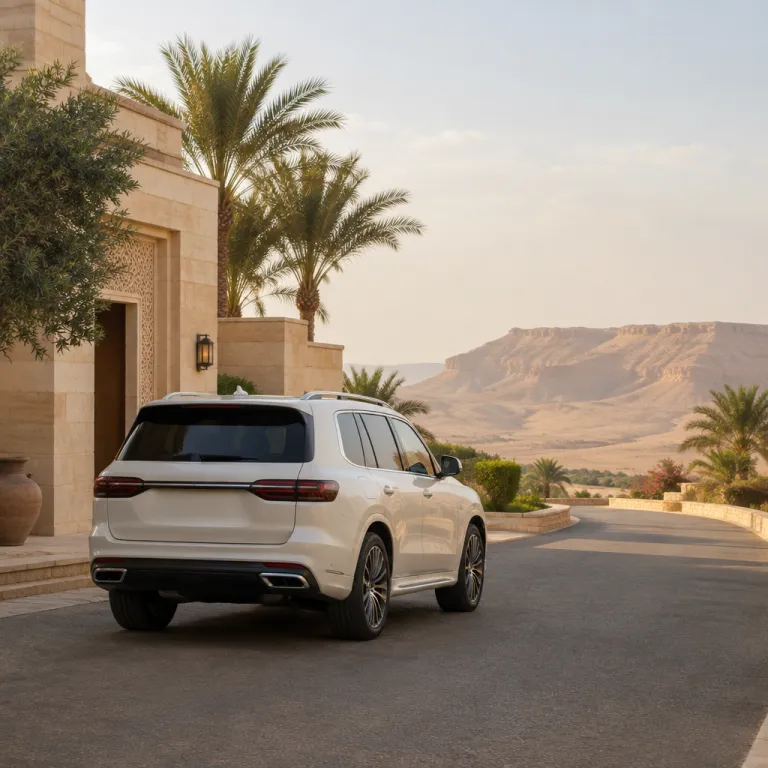
Egypt by car from luxury hotels: how to plan the perfect road journey
Exploring Egypt by car from a luxury base lets you shape each day with rare freedom. From a five star lobby in Cairo or Luxor, you can decide in real time whether your road will follow the Nile, the desert, or the sea coast. This style of trip suits travellers who want privacy, space, and curated adventure during both short and long days on the road.
When you drive in Egypt, your hotel becomes a strategic hub rather than just a place to sleep. Concierge teams in the city or on the Red Sea coast can arrange a private car, a vetted driver, and timed entries for a temple visit in Luxor or Aswan. They also know which road is safest at a given time of day, and which trips experts now recommend avoiding after dark.
For many guests, the first question is whether to handle the drive personally or to hire a driver through the hotel. Authorities require a valid licence and almost always an International Driving Permit, and “Do I need an International Driving Permit?” and “Is driving dangerous in rural Egypt?” and “Is renting a car in Cairo recommended?” are still the three most common questions at rental desks. Luxury properties answer these in detail before you arrive, so your Egypt planning feels calm and controlled.
Choosing where to start your road trip
Cairo remains the classic starting city for any refined road trip itinerary. From here, a private car can take you along the ring road to the pyramids of Giza in under an hour, or south on the Cairo Luxor highway for longer days between historic sites. Many guests now prefer to stay in riverside or heritage style hotels, such as the historic Marriott Mena House in Giza or the Nile Ritz Carlton downtown, then let the concierge coordinate each driving segment with vetted partners.
If your focus is the Nile, consider beginning in Luxor and ending in Aswan, or reversing the Luxor Aswan direction depending on flight times. A tailored car and driver service allows you to pause at Kom Ombo or the Temple of Horus at Edfu without rushing, turning a simple road into a curated cultural corridor. This approach works especially well for guests who want to balance temple visits with spa time and poolside rest at their hotel.
For those drawn to the sea, Hurghada, Sharm El Sheikh, and the wider Red Sea coast offer polished resorts that specialise in day trips by car. From Hurghada Sharm transfer routes to shorter drives along the sea coast, hotels can arrange scenic stops and restaurant reservations. In every case, the property’s local équipe understands which road trip segments are realistic within your chosen number of days.
From Cairo to Luxor and Aswan: Nile temples with five star bases
Many luxury travellers structure journeys on the road around the great Nile cities of Cairo, Luxor, and Aswan. One popular pattern is to spend several days in Cairo, then fly south and use a private car for the Luxor Aswan stretch. This keeps driving distances comfortable while still allowing you to feel the changing landscape along the road.
In Cairo, high end hotels near the Nile or in Giza offer curated excursions by car to the pyramids of Giza and the Egyptian Museum. A dedicated driver handles the dense city traffic, while you focus on how to use your time between galleries, rooftop cocktails, and spa appointments. For guests booking luxury Egypt vacation packages for immersive hotel based adventures, this mix of culture and comfort is often one of the best things about the trip.
Once in Luxor, a private car unlocks both the east bank and west bank in a single day without feeling rushed. You might start at Karnak Temple at opening time, then cross the river to the Valley of the Kings and the quieter tombs, returning to your hotel for a late lunch. On another day, your driver can follow the road south towards Edfu and the Temple of Horus, then continue to Kom Ombo before arriving in Aswan by evening.
Aswan and Abu Simbel with a private car
Aswan is smaller than Cairo or Luxor, yet it is a powerful base for road focused itineraries. Many premium hotels sit directly on the Nile, so your car and driver can wait at the entrance while you enjoy the gardens or pool between excursions. From here, guests often plan one of their most memorable days with a road trip to Abu Simbel.
The drive from Aswan to Abu Simbel takes several hours each way, usually starting before sunrise to avoid the strongest desert heat. Travelling by private car rather than a large coach means you can adjust the pace, control the air conditioning, and choose your own music or silence. On the return, many guests appreciate arriving at a calm hotel where a late spa appointment or river view dinner has already been reserved.
Some itineraries reverse the direction and use Abu Simbel as a starting point for wider routes through southern Egypt. In practice, most luxury travellers still prefer to keep Abu Simbel as a focused day trip from Aswan, then fly back to Cairo or onward to the Red Sea. This balance of flight segments and carefully chosen road sections keeps the overall experience smooth and restorative.
Red Sea and Sinai by road: pairing coastal resorts with inland adventures
For travellers who love the sea, exploring the Red Sea coast by car offers a different rhythm. Here, the focus shifts from temples to coral reefs, from ancient stone to clear water and soft sand. Luxury hotels in Hurghada, Sharm El Sheikh, and smaller sea coast towns now design road based excursions that complement their marine activities.
From Hurghada, guests often arrange a private car for a day in the Eastern Desert, visiting Bedouin camps or remote viewpoints before returning to the resort. The road inland can be rough, so properties work only with drivers and vehicles that meet strict safety standards. Many travellers alternate such desert days with quieter days on the Red Sea, where snorkelling and spa treatments fill the time.
Sharm El Sheikh and the wider Sinai Peninsula offer another style of driving experience. From a high end resort in Sharm, you can plan a night time drive to the foot of Mount Sinai, then climb at dawn before returning to the hotel for a late breakfast. Some guests also book a car to explore quieter sea coast villages north or south of Sharm, turning a simple transfer into a relaxed road trip.
Linking Hurghada and Sharm by car
Many itineraries now combine Hurghada and Sharm El Sheikh in a single trip plan. While flights remain common, some guests prefer a carefully managed Hurghada Sharm transfer by road, arranged entirely through their hotel. This route crosses sections of the Sinai Peninsula, so permits and security checks are part of the experience.
Rental companies and hotel partners ensure that all vehicle documents, insurance, and driver permits are in order before departure. Travellers are usually advised to avoid night driving outside cities, especially on long stretches of desert road. For this reason, most Hurghada Sharm drives start early in the day and include planned rest stops.
Along the Red Sea, some luxury resorts also offer tailored car excursions to lesser known lagoons and salt lakes. These road trip experiences are often limited to small groups or private parties, preserving both privacy and environmental sensitivity. Because the climate is warm year round, coastal drives can be scheduled in almost any month, with hotel concierges advising on the most comfortable times of day.
Western Desert and Siwa: remote luxury with careful driving logistics
For travellers seeking solitude, heading into the Western Desert by car feels both bold and deeply rewarding. The oases of Bahariya, Farafra, Dakhla, and Kharga, along with the remote oasis of Siwa, now feature a small but growing selection of premium lodges. These properties specialise in combining desert silence with high comfort, often using natural materials and low impact design.
Driving in this region requires more preparation than a simple city transfer. Road conditions can vary, lighting is limited at night, and livestock or unmarked turns may appear without warning. This is why many luxury hotels insist on using experienced desert drivers and well maintained four wheel drive vehicles for all Western Desert excursions.
From Cairo, a multi day road trip to the Western Desert might begin with Bahariya, continue through the White Desert, then reach Farafra and Dakhla before looping back. Each day, your car becomes both transport and lifeline, carrying extra water, coolant, and communication equipment. Guests often comment that the contrast between the harsh desert road and the calm of their lodge at night is one of the best things about their trip.
Siwa by car from luxury bases
Siwa Oasis, near the Libyan border, has become a symbol of slow travel in Egypt. Reaching Siwa by car from Cairo takes many hours, usually broken into two days with an overnight stop arranged by your hotel or specialist operator. Because of the distance and the sensitive location, authorities may require specific permits, and checkpoints are part of the journey.
Once in Siwa, travellers use a car or local vehicles to reach the famous salt lakes, the Oracle Temple, and remote dunes. Premium lodges here focus on simple elegance rather than overt glamour, with candlelit dinners and spring fed pools. Many guests describe their days in Siwa as a pause in time, framed by long drives and quiet nights under clear desert skies.
Given the remoteness, it is wise to let your main city hotel or a trusted agency coordinate every element of the driving logistics. They will confirm fuel availability, vehicle condition, and driver rotation for the return road trip. This level of planning protects both comfort and safety, while still allowing you to feel the vastness of the Western Desert.
Wellness, safety, and smart insurance for road based luxury stays
As itineraries grow more ambitious, wellness and safety have become central to luxury planning. Long days on the road can be balanced with spa rituals, hydrotherapy, and quiet time in shaded courtyards. Many high end hotels in Cairo and along the Nile now integrate road excursions into broader wellbeing programmes.
In the capital, a new wave of urban resorts offers hammams, river view pools, and advanced spa menus tailored to travellers who spend hours in a car. For a detailed look at this trend, travellers can read about Cairo’s new spa movement and how riverside rituals elevate recovery between driving days. Combining such treatments with careful scheduling of each segment helps guests arrive at major sites feeling rested rather than depleted.
Smart travel insurance for Egypt is another discreet but vital layer of any road based itinerary. Policies that cover rental car excess, medical care after a road incident, and trip interruption are especially relevant when driving routes far from major hospitals. Many luxury concierges now recommend guides on how smart travel insurance for Egypt elevates your luxury hotel stay, so that guests understand both coverage and exclusions before they set off.
Practical safety standards for luxury road travel
High end hotels and their partners apply strict safety standards to every excursion by car. Vehicles are checked daily for tyre condition, coolant levels, and air conditioning performance, especially before desert or Western Desert routes. Drivers are briefed to avoid night driving outside cities, to carry copies of guest passports, and to keep all vehicle documents ready for checkpoints.
Authorities across Egypt maintain road rules and may stop cars to verify licences, insurance, and permits, particularly on routes in the Sinai Peninsula or near borders. Rental companies working with luxury properties ensure that international guests carry both their home licence and an International Driving Permit at all times. This reduces delays and keeps the focus on the experience rather than on paperwork.
Ride hailing apps are expanding in major cities, but for longer journeys specialists still recommend pre arranged cars through reputable partners. This approach gives hotels more control over driver training, vehicle quality, and timing. It also allows concierges to coordinate complex days that combine road segments, domestic flights, and private boat transfers along the Nile or the Red Sea.
Costs, rental choices, and when to let someone else drive
Planning Egypt by car from a luxury or premium hotel involves clear cost decisions. Travellers can choose between renting a car and driving themselves, hiring a private driver with a hotel car, or booking fully escorted packages. Each option carries different implications for budget, comfort, and flexibility.
Typical daily rental cost for an economy car in Egypt is around 1 800 Egyptian pounds, while fuel averages about 11 Egyptian pounds per litre according to recent national data. As of early 2024, these benchmark figures are consistent with price ranges reported by major rental brands and the Egyptian General Authority for Roads, Bridges and Land Transport. These figures help guests compare the cost of self drive against the higher but more inclusive rates for chauffeur driven vehicles arranged by top hotels.
For many visitors, the most efficient pattern is to self drive on simple coastal or inter city routes, then rely on hotel drivers in dense urban areas. Cairo traffic remains challenging, and even confident drivers often prefer to let a local expert handle the ring road and inner city junctions. In contrast, the open road between Luxor and Aswan or along parts of the Red Sea coast can feel more manageable for those used to long distance driving.
Legal and practical considerations
Before renting a car, visitors should confirm that their licence is valid in Egypt and that their International Driving Permit is accepted by the rental company. Insurance coverage should include third party liability and, ideally, collision damage with a clear excess amount. Reading the rental contract line by line may feel tedious, yet it is one of the best things you can do to protect your trip.
Some routes, especially in the Sinai Peninsula and near the Western Desert, require special permits or advance notification to authorities. Luxury hotels and established tour operators handle these formalities on your behalf, coordinating with local police and checkpoint teams. This is another reason why booking road segments through your hotel can be more efficient than arranging them independently.
Finally, travellers should plan realistic driving days, allowing extra time for rest stops, photography, and unexpected delays. A day that looks short on the map can feel long when heat, checkpoints, and traffic are added. By keeping daily distances moderate, you preserve energy for evening experiences at your hotel, whether that means a tasting menu, a hammam, or a quiet drink overlooking the Nile.
Designing your personalised Egypt by car itinerary from luxury hotels
Creating a refined Egypt by car itinerary begins with choosing your anchor hotels. These are the properties in Cairo, Luxor, Aswan, the Red Sea, or the Western Desert that will frame your days and nights. Once these are confirmed, you can map the road segments between them, deciding where to linger and where to fly.
A classic pattern might start with three days in Cairo for the pyramids of Giza, the museum, and a day trip to nearby sites. From there, you could fly to Luxor for two or three days of temple visits and west bank tombs, using a private car for each excursion. The journey might then continue by road to Aswan, with stops at Edfu and Kom Ombo, before ending with several days on the Red Sea coast.
Travellers with more time can add a Western Desert loop or a Siwa extension, accepting longer days on the road in exchange for deeper solitude. Others may prefer to focus on the Nile and the sea, keeping driving segments shorter and relying on domestic flights for longer jumps. In every case, the key is to align road distances with your preferred pace, energy levels, and appetite for adventure.
Working with concierges and specialists
Luxury concierges and specialist tour designers in Egypt now treat road travel as a core part of the guest experience. They ask detailed questions about your driving confidence, your interest in temples versus sea days, and your tolerance for early starts. With this information, they can propose a sequence of hotels and road segments that feels both ambitious and realistic.
For example, a guest who values wellness might pair a spa focused hotel in Cairo with a tranquil Nile side property in Luxor, then finish at a quiet Red Sea resort. Each location would include carefully chosen excursions by car, from a half day at the pyramids of Giza to a full day exploring desert canyons or coastal viewpoints. Another guest might prioritise Abu Simbel and Siwa, accepting longer drives in exchange for these remote highlights.
Whatever your priorities, the most successful itineraries share one trait : they respect the realities of the road while celebrating the comfort of the hotel. By combining accurate local knowledge, smart insurance, and thoughtful pacing, travelling across Egypt by car becomes not just a way to move between cities, but the elegant backbone of your entire journey. The result is a sequence of days where every drive, every temple, and every sea horizon feels seamlessly connected.
Key figures for luxury road travel in Egypt
- Typical daily rental cost for an economy car in Egypt is about 1 800 Egyptian pounds, based on recent national rental market data and 2023–2024 rate surveys from major international brands, which helps travellers benchmark chauffeur services offered by luxury hotels.
- Average fuel price in Egypt is around 11 Egyptian pounds per litre according to current fuel data published in 2024 by the Egyptian General Authority for Roads, Bridges and Land Transport, making long distance road trips relatively cost effective compared with many European destinations.
- Most rental agencies in Egypt require both a valid home country driving licence and an International Driving Permit, a combination that significantly reduces issues at police checkpoints on inter city roads and aligns with guidance from the Ministry of Interior as of 2024.
- Luxury travellers commonly structure their itineraries around three main hubs — Cairo, Luxor, and Aswan — with road segments between Luxor and Aswan often taking one full day including stops at Edfu and Kom Ombo, typically six to eight hours door to door.
- Because of safety recommendations against night driving outside cities, many premium hotels schedule road departures between 06:00 and 09:00, ensuring arrival at the next property well before sunset.
FAQ about luxury Egypt by car travel
Do I need an International Driving Permit to drive in Egypt ?
Yes, nearly all rental companies and many authorities expect visitors to carry both their home country driving licence and an International Driving Permit. This combination is often checked at police checkpoints on major roads. Travellers who plan to drive should obtain the permit before arriving in Egypt, following the rules in force at the time of travel.
Is driving in rural Egypt dangerous for visitors ?
Rural driving in Egypt carries specific risks, including poor lighting, unmarked turns, and occasional livestock on the road. Luxury hotels mitigate these risks by using experienced local drivers, well maintained vehicles, and daytime schedules. Guests who self drive are strongly advised to avoid night driving outside cities and to plan conservative daily distances.
Is it a good idea to rent a car in Cairo itself ?
Renting a car in Cairo is generally not recommended for most visitors. Traffic is dense, lane discipline is flexible, and navigation can be stressful even with GPS. Many luxury travellers prefer to use hotel cars or ride hailing services within the city, then rent or hire drivers for inter city road trips.
How do luxury hotels in Egypt support road based excursions ?
High end hotels in Egypt work with vetted drivers and rental partners to organise safe, comfortable road excursions. Concierge teams arrange permits, schedule departure times, and coordinate rest stops and restaurant bookings. They also align road days with spa treatments and dining plans, so that long drives are balanced by restorative experiences.
When is the best time of year for an Egypt by car itinerary ?
Egypt is a year round destination, but temperatures are more comfortable outside the peak summer months, especially for desert and Western Desert routes. Coastal areas along the Red Sea remain pleasant for much of the year, while Cairo, Luxor, and Aswan can feel very hot at midday in summer. Luxury travellers often plan early morning departures and longer midday breaks at their hotels to keep road days enjoyable.
References : Ministry of Tourism and Antiquities of Egypt (annual tourism reports, 2023–2024) ; Egyptian General Authority for Roads, Bridges and Land Transport (fuel and road data, 2024) ; World Travel and Tourism Council reports on Egypt (country analysis, 2023).