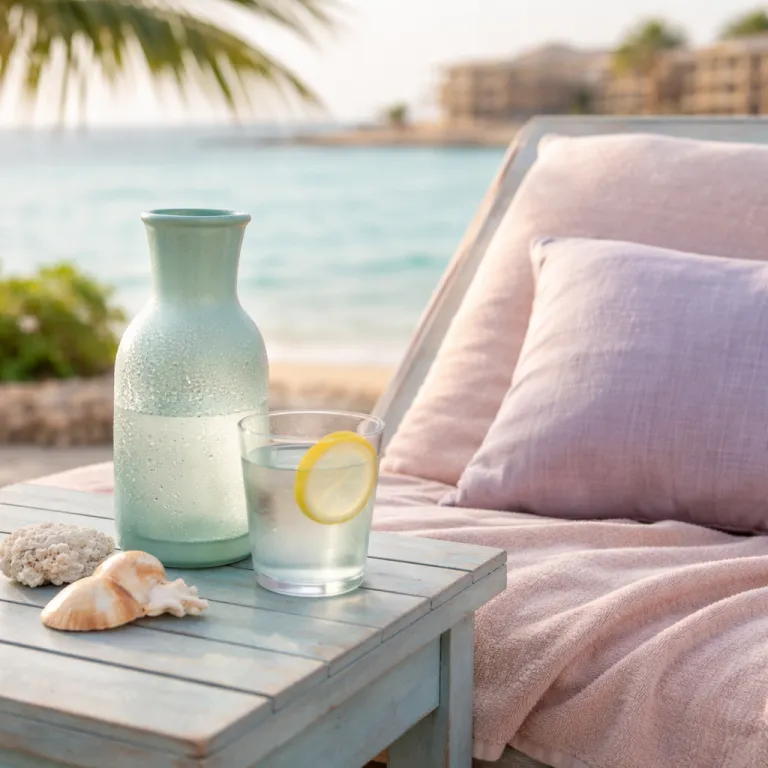
Is the Red Sea Governorate right for your trip?
Shallow turquoise water, long shelves of pale sand and a dry desert climate make the Red Sea Governorate one of Egypt’s most reliable coastal escapes. If you are choosing a hotel here, you are really choosing your rhythm: lively promenades in Hurghada, quiet bays near Marsa Alam, or remote stretches of reef where the stars feel almost within reach. The area suits travellers who care as much about the quality of their stay as the colour of the sea, and who want a clear match between hotel style, beach type and daily pace.
For many visitors, Hurghada is the natural first stop. The city runs along El Corniche Street and Al Mamsha El Seyahi, a seafront strip where large hotels and resorts line the shore with easy access to the beach. Hurghada International Airport sits just south of the main hotel zone, with typical transfer times of 10–15 minutes to Steigenberger Al Dau Beach Hotel (5-star, upscale all-inclusive with a lazy river) and around 20–25 minutes to Sunrise Garden Beach Resort (5-star, family friendly with water slides). This is where you find some of the governorate’s best luxury hotels, adults-only properties and expansive family friendly complexes, often with private stretches of the Red Sea and generous pool landscapes.
Further south, the mood changes. Around Marsa Alam and the Quseir–Marsa Alam road, resorts are more spaced out, the desert feels closer and the coastline becomes a sequence of quiet coves and natural bays. Marsa Alam International Airport lies around 10–15 minutes from Port Ghalib Resort (4-star, marina-front with a lagoon-style pool), about 45–60 minutes from Abu Dabbab Bay hotels and roughly 60–90 minutes from the deeper south. This part of the governorate is ideal if you want a hotel that offers exceptional snorkelling, long swims and a calmer atmosphere, rather than nightlife or shopping. In short, choose the Red Sea Governorate if your ideal trip is built around water, light and unhurried days, with the option to tailor your base to either bustle or near-silence.
Hurghada versus Marsa Alam and beyond
Hurghada works best when you want energy. The city has hundreds of hotels and resorts, from large all-inclusive complexes to smaller bed and breakfasts and furnished rentals tucked into side streets off Al Mamsha. Guests enjoy being able to step out of a hotel here and find cafés, marinas and things to do within a short walk or taxi ride, which makes it a strong choice for mixed groups and first-time visitors to Egypt. Popular areas include the central Marina, Sahl Hasheesh to the south and El Gouna to the north, each with slightly different atmospheres and price levels; for instance, Sahl Hasheesh tends to feel more upscale and planned, while El Gouna is known for its lagoon network and compact town centre.
Marsa Alam, by contrast, is about space. Properties along the Quseir–Marsa Alam coastal road often sit on wide plots with private beaches and long jetties stretching over coral. You come here for the Red Sea itself: snorkelling with turtles in quiet bays, early-morning dives, or simply watching the light change over the water from your terrace. Nightlife is limited, but the trade-off is a sense of seclusion that many consider the governorate’s best asset. Many Marsa Alam resorts also sit close to house reefs, so you can reach excellent snorkelling from the beach or jetty without long boat rides; Jaz Grand Marsa, for example, is frequently praised in recent reviews for its easy-access reef and calm, wind-sheltered lagoon.
Between these two poles, smaller areas and individual bays offer a middle ground. Some clusters of hotels along the coast combine easy access to the main road with sheltered beaches and compact resort centres. When you compare locations, think in terms of how often you plan to leave your hotel. If you want to explore the governorate, book closer to Hurghada or El Quseir, where excursions and transport are more frequent. If your trip is about staying put, a more remote bay such as Coraya, Abu Dabbab or Soma Bay can be the better option. A recent guest at Soma Bay summed it up as “quiet, clear water, and just enough restaurants to keep things interesting without feeling like a city.”
Choosing between luxury resorts, hotels and rentals
Large luxury hotels dominate the shoreline in the Red Sea Governorate. These properties typically function as full resorts, with multiple pools, several restaurants and a curated list of activities from morning until late evening. They suit travellers who prefer a self-contained stay experience, where everything from breakfast to sunset drinks happens within the same carefully managed environment. Many of the best hotels in Hurghada and Marsa Alam also include on-site dive centres, private marinas or direct access to a house reef; examples include Kempinski Hotel Soma Bay (5-star, premium with a long sandy beach) and Jaz Lamaya in Coraya Bay (4-star, all-inclusive with an on-site dive partner).
Smaller hotels and bed and breakfasts, often a street or two back from the sea, offer a different rhythm. You may trade direct beach access for a more local feel, walking out to neighbourhood cafés or taking a short taxi to the nearest public beach or marina. These options can work well for repeat visitors who already know Hurghada or for divers who spend most of the day on the water and value a simple, comfortable base over extensive resort facilities. In older districts, such as downtown Hurghada, these modest properties often sit close to local markets and everyday Egyptian life, and nightly rates can fall into the budget band compared with seafront resorts.
Furnished rentals and serviced apartments are increasingly present in Hurghada’s newer districts near the marina and along side streets off El Corniche. They are practical for longer stays, especially for families or small groups who want separate bedrooms and living areas. When comparing rentals with resort hotels, check how close you will be to a swimmable beach, whether a nearby hotel allows paid day access to its facilities, and how easy it is to reach dive centres or excursion pick-up points. For some travellers, a serviced apartment near the Marina with day-use access to a neighbouring resort offers the best balance of independence and comfort, particularly in the mid-range price bracket.
What to expect from rooms, beaches and facilities
Rooms in the governorate’s top rated properties tend to be generous in size, with tiled floors, balconies and a focus on sea views. In Hurghada, many luxury Red Sea hotels orient entire wings towards the water, so even standard categories may offer at least a partial view of the Red Sea. Higher categories often add direct pool access, separate living areas or private terraces facing the beach or gardens. In Marsa Alam resorts, ground-floor rooms sometimes open directly onto lawns that lead towards the sand or jetty, while suites in higher-end properties may include separate lounges and upgraded amenities aimed at couples or longer stays.
Beach quality varies more than many travellers expect. Some stretches of coast are sandy and gently shelving, ideal for children and for guests who like to wade straight into the sea. Others sit on coral plateaus, where long jetties lead out to deeper water. These can offer unique snorkelling right off the hotel, but they are less convenient for small children or those who prefer simple paddling. Before you book, look closely at photos of the shoreline and check whether the hotel describes its beach as sandy, mixed or reef. If you are a diver or snorkeller, also note whether there is a marked house reef, a protected lagoon or direct access to a dive jetty, as this will shape how often you join boat trips versus entering the water from shore.
Facilities follow the classic resort pattern: multiple pools, often including quiet adults-only areas and separate family friendly zones with slides or shallow sections. Many hotel complexes also include small wellness areas and sports courts. When comparing hotels highly focused on leisure, consider how the layout matches your habits. Some travellers prefer compact resorts where everything is a short walk away, while others enjoy sprawling gardens and long seaside promenades. If you plan to dive frequently, check how far your room will be from the dive centre or marina, as early-morning departures are common. Seasonal details also matter: from roughly April to November, sea temperatures usually range between about 23°C and 29°C, while winter months can feel cooler in the water and windier on exposed jetties.
Who the Red Sea Governorate suits best
Families tend to gravitate towards Hurghada and the larger bays where resorts offer kids’ clubs, shallow pools and easy logistics. A family friendly hotel here usually means short transfer times, a choice of dining options and a beach that works for all ages. If you are travelling with children, prioritise properties that clearly separate quieter areas from activity zones, so adults can find calm when needed. Many of the best family resorts in Hurghada also provide interconnecting rooms or family suites, which simplify bedtime and nap routines, and some, such as Jungle Aqua Park by Neverland (4-star, water-park resort), include extensive slides and splash zones.
Couples and adults travelling without children often prefer quieter stretches of the coast. Some adults-only resorts in the governorate focus on spa treatments, calm pool decks and long dinners rather than daytime entertainment. These hotels can offer exceptional privacy, especially when rooms are set back from the main pools or when there are dedicated quiet beaches. For a romantic trip, look for smaller room counts or clearly defined adults-only wings, and consider Marsa Alam resorts or Sahl Hasheesh hotels, where the overall atmosphere tends to be slower and more intimate, with long promenades and softly lit beachfront restaurants.
Divers and snorkellers are better served by the southern part of the Red Sea Governorate, where the reef remains closer to shore and boat rides to popular sites are shorter. Here, the best luxury properties often work closely with on-site or nearby dive centres. If your main goal is to explore the underwater world, choose a hotel or resort that offers easy access to the jetty, early departures and secure storage for equipment, rather than focusing only on the room category. Areas such as Abu Dabbab, Port Ghalib and El Quseir are especially popular with guests who plan their entire stay around diving and snorkelling, and many repeat visitors time their trips for late spring or autumn, when water clarity and air temperatures are particularly comfortable.
Key things to check before you book
Location on the coastline is the first filter. A hotel on El Corniche Street in Hurghada places you within a short drive of marinas, restaurants and city life, while a property along the Quseir–Marsa Alam road offers more isolation and darker night skies. Decide how often you want to leave the property, then choose the area accordingly. This single decision will shape your entire stay more than most room upgrades. For a quick overview, think of Hurghada and El Gouna as best for variety, Soma Bay and Sahl Hasheesh for upscale resort stays, and Marsa Alam for reef-focused seclusion; if you plan a combined itinerary, you can also factor in transfer times between these hubs and Hurghada or Marsa Alam airports.
Next, examine how the hotel describes its beach and sea access. Look for clear wording about whether the beach is private to the resort, shared with neighbours or reached via a short walk. If you are travelling with less confident swimmers, a gently sloping sandy beach is usually preferable to a jetty over coral, even if the latter promises better snorkelling. For some travellers, the best choice is a compromise: a resort with both a sandy entry and a nearby reef. Many of the top-rated Red Sea hotels highlight this combination in their descriptions, often using terms such as “lagoon”, “house reef” or “protected bay”, and it can be helpful to scan recent guest photos to confirm that the shoreline matches the marketing images.
Finally, consider the overall atmosphere and practical details. Check whether the property positions itself as lively or tranquil, whether it highlights entertainment or quiet relaxation, and whether it mentions being pet friendly or focused on adults. For longer trips, look at the variety of dining options on site and how easy it is to reach nearby areas of the governorate to explore. A well-chosen hotel here does not just offer unique views of the Red Sea; it sets the tone for how you will experience Egypt’s coast day after day. Reading recent guest reviews can also help you confirm whether the current service level and beach conditions match the promises in the hotel’s description, and whether transfer times from Hurghada or Marsa Alam airports align with what you expect.
Is the Red Sea Governorate a good place to stay for a first trip to Egypt?
Yes, the Red Sea Governorate is a strong choice for a first trip if you want a relaxed coastal base rather than an urban experience. Hurghada, in particular, combines a wide range of hotels and resorts with straightforward access to the airport and organised excursions. You can spend your days between the beach and the sea, then add day trips inland if you wish, without dealing with the intensity of larger Egyptian cities. Many first-time visitors pair a week in Hurghada or Marsa Alam with a short visit to Luxor, reached by an overland transfer or a domestic flight, and appreciate being able to return to a calm seaside resort after sightseeing.
What is the difference between staying in Hurghada and staying near Marsa Alam?
Hurghada offers a more urban coastal experience, with many hotels along El Corniche Street and Al Mamsha El Seyahi, plus easy access to cafés, marinas and shops. The Marsa Alam area is quieter and more spread out, with resorts focused on private beaches, reefs and a stronger sense of seclusion. Choose Hurghada if you value convenience and variety, and Marsa Alam if you prioritise calm, snorkelling and long, uninterrupted days by the water. In simple terms, Hurghada suits travellers who like a resort town feel, while Marsa Alam resorts feel more like standalone retreats in the desert by the sea, with darker skies and fewer distractions after sunset.
Are there adults-only or family focused hotels in the Red Sea Governorate?
The region includes both adults-only properties and clearly family focused resorts. Adults-only hotels usually emphasise spa facilities, quiet pools and a more refined evening atmosphere. Family oriented resorts tend to offer kids’ clubs, children’s pools and activity programmes. When you compare options, look for how clearly the hotel defines its target guests and whether there are separate zones for families and adults seeking quiet. Checking the typical guest mix in recent reviews can also help you decide whether a particular property matches the kind of stay you have in mind, especially if you are travelling in peak school-holiday periods.
How important is beach type when choosing a hotel on the Red Sea?
Beach type is crucial, because it determines how you will use the sea each day. Sandy beaches with a gentle slope are ideal for children, casual swimmers and long shoreline walks. Reef-front beaches with jetties offer better snorkelling and clearer water but can be less practical for small children or those who prefer to wade. Always check photos and descriptions of the shoreline before booking, as this is one of the main differences between properties. If you are unsure, prioritise hotels that mention both a sandy entry and access to a nearby reef or lagoon, as these usually offer the most flexible day-to-day experience and allow different members of a group to enjoy the water in their own way.
What should I verify before confirming a hotel in the Red Sea Governorate?
Before confirming, verify the exact location on the coast, the description of the beach and sea access, and the overall atmosphere the hotel promotes. Check whether it suits your profile, whether that is family friendly, adults-oriented or activity focused. For longer stays, also look at the variety of dining options and how easy it is to reach other parts of the governorate for day trips or diving excursions. Confirm typical transfer times from Hurghada or Marsa Alam airports, and make sure the hotel’s facilities, beach type and surrounding area match the way you actually like to spend your days by the Red Sea. A short checklist can help: location, beach style, room type, dining variety, guest mix and access to activities such as diving, snorkelling or spa treatments.