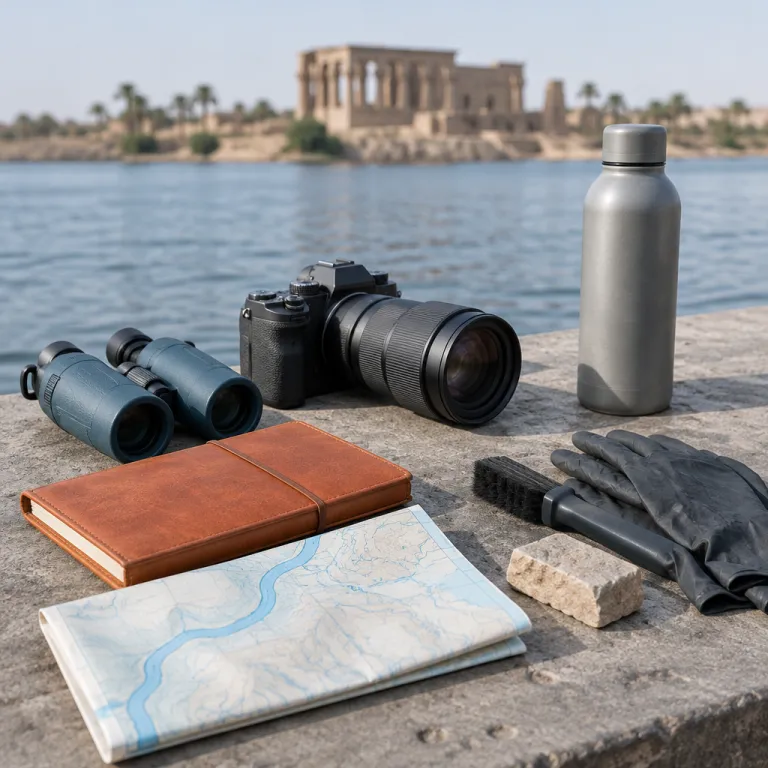
Esna temple Egypt as a refined stop on luxury Nile cruises
Esna temple Egypt sits quietly on the west bank of the Nile, yet it has become a highlight for travelers who value comfort and depth. This elegant Egyptian temple dedicated to the ram headed god Khnum fits naturally into curated cruise itineraries that balance five star pampering with meaningful encounters at each temple in Upper Egypt. When your vessel moors near the modern town of Esna, you step into a compact city where ancient stones and a working river port coexist within a short walking distance.
The main hall of the Temple of Khnum at Esna lies sunken below the level of the surrounding city, so guests descend a gentle stairway from the busy streets of the town Esna into a sheltered sacred space. This preserved pronaos from the Roman period showcases towering columns, painted inscriptions, and dense reliefs that reward slow looking rather than rushed sightseeing. For travelers choosing premium cabins and suites, the contrast between the calm of Esna Temple and the refined comfort of their ship creates a rhythm that makes the whole journey feel more considered.
Many luxury cruise programs between Luxor and Aswan now treat Esna Temple as more than a quick technical stop at a lock on the Nile. Curated excursions focus on the ancient Egyptian theology of god Khnum, the potter god who shapes human bodies on a potter wheel, and on the unusual zodiac signs carved into the ceiling of the pronaos. When you read article style explanations from your Egyptologist guide on deck later, the dense texts and signs you saw at Khnum Esna begin to connect with other sites such as Luxor Temple and Karnak, giving this compact city Esna an importance that far exceeds its size.
Understanding khnum, goddess neith, and the theology of Esna temple
At the heart of Esna temple Egypt stands the cult of god Khnum, a creator deity who fashions life on a potter wheel from the clay of the Nile. Inside the pronaos, visitors encounter reliefs that show Temple Khnum shaping both the pharaoh and his ka, while nearby texts praise this ancient Egyptian god as guardian of Upper Egypt. These images feel especially vivid when your guide explains them in the cool shade of the hall, away from the bright light of the modern town above.
Alongside Khnum, the goddess Neith appears repeatedly in the painted inscriptions and carved reliefs that line the walls and ceiling. Neith, an ancient war and weaving goddess, is presented here as a partner in creation, and her presence at Khnum Temple helps travelers understand how Egyptian theology linked different cult centers along the Nile into a single sacred landscape. When you later compare these scenes with those at Luxor Temple or on other Egyptian temple walls, the continuity of symbols and signs across Upper Egypt becomes striking.
The Roman era builders of Temple Esna filled every surface with hieroglyphic texts that reference older traditions while adapting them to a new political context. Guides on high end Nile cruises often encourage guests to read article style handouts or digital notes on board, so that the dense inscriptions and zodiac motifs make sense during the visit rather than remaining abstract. For travelers who care about context, this careful framing turns a short stop in the city Esna into one of the most intellectually rewarding moments of the journey, especially when paired with thoughtful onboard lectures about ancient Egyptian religion and the role of god Khnum in regulating the Nile floods.
For more context on how refined ships elevate the cultural experience through cuisine and service, many travelers consult this guide to what is actually cooking on the Nile on a luxury dahabiya before choosing their vessel.
Architectural highlights of the pronaos, ceiling, and zodiac at Esna
Architecturally, Esna temple Egypt is defined by its monumental pronaos, the columned forecourt that is the only surviving part of a once larger complex. This hall features twenty four massive columns, each with a different floral capital, and the effect for visitors arriving from a quiet luxury cruise is both intimate and grand. Because the temple floor lies below the level of the modern town Esna, the noise of the city fades as you walk deeper into the Egyptian temple space.
The ceiling of the hall at Temple Esna is one of its most celebrated features, with painted inscriptions and astronomical reliefs that include rare representations of zodiac signs. Conservation work reported by the Egyptian Ministry of Tourism and Antiquities in recent years has gradually removed centuries of soot, revealing vivid blues and yellows that surprise travelers who expect only sand colored stone in Upper Egypt. When guests step back onto their ship, many comment that this single ceiling rivals more famous scenes at Luxor Temple in terms of visual impact, especially when seen in the soft afternoon light.
For Nile cruise planners, the presence of such detailed texts and signs in a compact space makes Esna Temple ideal for shorter, high quality visits that fit seamlessly between longer stops at larger temple complexes. Guides can focus on a few key reliefs that show god Khnum at his potter wheel, the goddess Neith in ceremonial poses, and the Roman emperors presenting offerings, allowing guests to absorb the narrative without fatigue. Travelers who want to read article style explanations later can access digital resources on board, turning this stop on the bank Nile into a springboard for deeper study of ancient Egyptian astronomy and ritual.
Those considering a more intimate style of sailing often look at this detailed feature on sailing the Nile in quiet elegance on a luxury dahabiya cruise, which pairs beautifully with a visit to the city Esna and its Temple Khnum.
Designing luxury Nile cruise itineraries around Esna and Luxor
For travelers booking premium cabins, the stretch of Nile between Luxor and the city Esna offers a balance of major monuments and quieter river life. Many itineraries position Esna temple Egypt as the first or last major stop around Luxor, using the lock at Esna as both a technical passage and a cultural anchor. This approach allows guests to experience the contrast between the vast courtyards of Luxor Temple and the more concentrated hall of Temple Esna within a single day.
High end operators often schedule the visit to Khnum Temple during off peak hours, reducing crowding and giving guests more time to study the reliefs and painted inscriptions. After walking through the modern town streets, travelers descend into the ancient hall where god Khnum, goddess Neith, and other deities appear in finely carved scenes that reward close attention. The proximity of the bank Nile means that within minutes of leaving the city Esna, guests are back on deck with a cool drink, watching the river traffic glide past fields and palm groves.
When planning, it helps to think of Esna Temple and its Roman pronaos as a bridge between different phases of an Upper Egypt journey. Upstream, the monumental complexes near Luxor showcase the political and ceremonial heart of ancient Egyptian power, while downstream, quieter stretches of the Nile highlight rural life and smaller shrines. By anchoring one night near town Esna, luxury cruises can offer a curated sequence of experiences where each temple, each city, and each hall feels distinct yet connected through recurring signs, texts, and the enduring presence of god Khnum along the river.
Choosing between large cruise ships and intimate dahabiyas for Esna
Travelers interested in Esna temple Egypt face a practical choice between larger cruise ships and smaller dahabiya style vessels. Larger ships offer extensive facilities, multiple dining venues, and a wide range of cabin categories, which can appeal to guests who want a resort like atmosphere between temple visits. These vessels usually follow fixed schedules through the lock near the city Esna, stopping briefly so that groups can visit the hall and ceiling of Temple Esna before continuing along the Nile.
By contrast, luxury dahabiyas and smaller premium boats emphasize quiet sailing, flexible timing, and a closer relationship with the riverbanks and modern town communities. Because these vessels carry fewer guests, guides can spend more time at Khnum Temple, tailoring explanations of the reliefs, zodiac signs, and painted inscriptions to individual interests. Many travelers appreciate the chance to linger under the ceiling that shows ancient Egyptian constellations, comparing them with the night sky they see later from the deck while moored along the bank Nile near fields outside town Esna.
For those who value both cultural depth and coastal relaxation, it is increasingly common to pair a Nile journey that includes Esna Temple with a stay on the Red Sea. After days spent exploring Egyptian temple complexes, zodiac motifs, and Roman era texts in Upper Egypt, guests often fly to the resort city of Sharm el Sheikh for a different kind of luxury. A curated guide to refined stays on the Red Sea in Sharm el Sheikh helps travelers choose properties that match the same level of service they enjoyed while sailing past the city Esna and visiting Khnum Esna.
Practical tips for visiting Esna temple from a luxury cruise
When your itinerary includes Esna temple Egypt, timing and preparation make a noticeable difference to comfort. The temple lies within the modern town Esna, so guests usually walk a short distance from the dock through lively streets before reaching the sunken forecourt. Light clothing, comfortable shoes, and a hat are essential, especially for the short climb back from the hall to the city level after exploring the pronaos and its reliefs.
Photography inside Temple Esna is often permitted, and the combination of painted inscriptions, zodiac signs, and restored ceiling colors makes this Egyptian temple particularly photogenic. Guides typically point out key scenes showing god Khnum at his potter wheel, the goddess Neith in ceremonial dress, and Roman emperors presenting offerings, which helps travelers frame meaningful images rather than random snapshots. Because the hall is relatively compact compared with sites near Luxor, even guests with limited mobility can usually see the main texts and signs without rushing.
Luxury cruise operators frequently provide bottled water, shaded transfers when needed, and small group guiding to enhance the experience at Khnum Temple. Some lines share a short article or digital brochure in advance, encouraging guests to read article style background notes on the theology of ancient Egyptian creator gods and the role of city Esna in regulating Nile traffic. By the time you step back onto your ship on the bank Nile, the visit feels integrated into a wider narrative that links Upper Egypt, Luxor Temple, and other sacred sites into a coherent journey rather than a checklist of isolated monuments.
Statistics and key figures for Nile cruises and Esna temple visits
- According to summaries released by the Egyptian Ministry of Tourism and Antiquities, hundreds of thousands of visitors travel on Nile cruises between Luxor and Aswan each year, and a significant proportion of these itineraries include a stop at the city Esna and its temple dedicated to god Khnum.
- Data from the World Travel and Tourism Council indicate that cultural tourism represents a substantial share of international arrivals to Egypt, with ancient Egyptian temple sites such as Esna temple Egypt playing a central role in trip planning for premium travelers.
- Conservation reports and press statements from the Egyptian Ministry of Antiquities note that cleaning campaigns at Temple Esna have revealed original ceiling colors on a large portion of the hall surface, dramatically improving the visibility of zodiac signs and painted inscriptions for visitors.
- Surveys by luxury tour operators working along the Nile suggest that guests who visit both Luxor Temple and Khnum Temple at Esna report higher overall satisfaction with their Upper Egypt itinerary, citing the contrast between large complexes and the more intimate hall at city Esna.
FAQ about Esna temple Egypt and luxury Nile cruises
Is Esna temple worth visiting on a short Nile cruise
Esna temple Egypt is compact yet dense with reliefs, painted inscriptions, and a remarkable ceiling, so it fits very well into short itineraries. Travelers see high quality ancient Egyptian art without the long walking distances required at larger sites. For many guests, the combination of the Roman pronaos and the modern town atmosphere makes city Esna a memorable highlight.
How long do luxury cruise excursions spend at Esna temple
Most luxury Nile cruises allocate between forty five and ninety minutes for Temple Esna, depending on the schedule at the nearby lock. This allows time to walk from the dock through the town Esna, descend into the hall, and study key reliefs and zodiac signs with a guide. Smaller dahabiyas sometimes stay longer, giving guests more time to photograph the ceiling and read article style notes on site.
Can I visit Esna temple independently from Luxor
Travelers based in Luxor can arrange private transfers by road to the city Esna, which lies roughly 55 kilometres to the south along the Nile. This option suits guests staying in luxury hotels who prefer not to cruise but still want to see Khnum Temple and its Roman pronaos. Local guides in Upper Egypt can accompany such visits, ensuring that the texts, signs, and theology of god Khnum are clearly explained.
What makes the ceiling and zodiac at Esna special
The ceiling of Esna temple Egypt preserves vivid colors and detailed astronomical scenes, including rare representations of zodiac signs within an Egyptian temple context. Recent cleaning has revealed blues and yellows that contrast strongly with the stone, making the reliefs easier to read. Visitors often compare this experience favorably with more famous ceilings near Luxor, noting the intimacy of the hall at city Esna.
How does Esna fit into a wider Upper Egypt itinerary
Esna sits strategically on the bank Nile between Luxor and Edfu, so it naturally fits into most Upper Egypt cruise routes. By visiting Temple Khnum at Esna alongside major sites such as Luxor Temple and Karnak, travelers gain a fuller picture of ancient Egyptian religion across different cities and periods. Luxury itineraries often use the stop at town Esna to balance grand monuments with a more human scale encounter in a living modern town.