Where “siwa eco lodge” still means engineering, not marketing
Siwa sits at the far western edge of Egypt, closer to Libya than to Cairo. This is the Siwa Oasis that solo travelers whisper about, a self-contained world of palm groves, salt lakes and a silence that feels structural rather than scenic. When you book what many call a Siwa eco lodge, you are not choosing a décor trend, you are choosing how your body will meet heat, darkness and time.
The benchmark here is Adrere Amellal, a remote lodge in Siwa Egypt built below a white limestone outcrop that locals call the White Mountain. This is not an abstract eco lodge concept; it is forty mud-brick rooms, no conventional electricity in guest spaces at all, and a full commitment to kershif, the traditional salt-and-earth brick that shapes both walls and worldview. Around it, Taziry Ecovillage and Desert Rose Ecolodge extend the same Siwa ecolodge logic into different price points and levels of comfort, but the core equation stays the same.
For a solo explorer planning a trip to Egypt, the question is simple yet deep. What does it mean to stay in a lodge in Siwa where the eco label is earned by construction choices, water systems and the absence of switches rather than by a bamboo straw? This guide unpacks how Adrere Amellal, Desert Rose and Taziry turn salt, desert wind and local water into a slow-burn stay that is both luxury and lesson, and how to reach this far-flung corner of the Western Desert in the first place.
Kershif, salt and the architecture of coolth
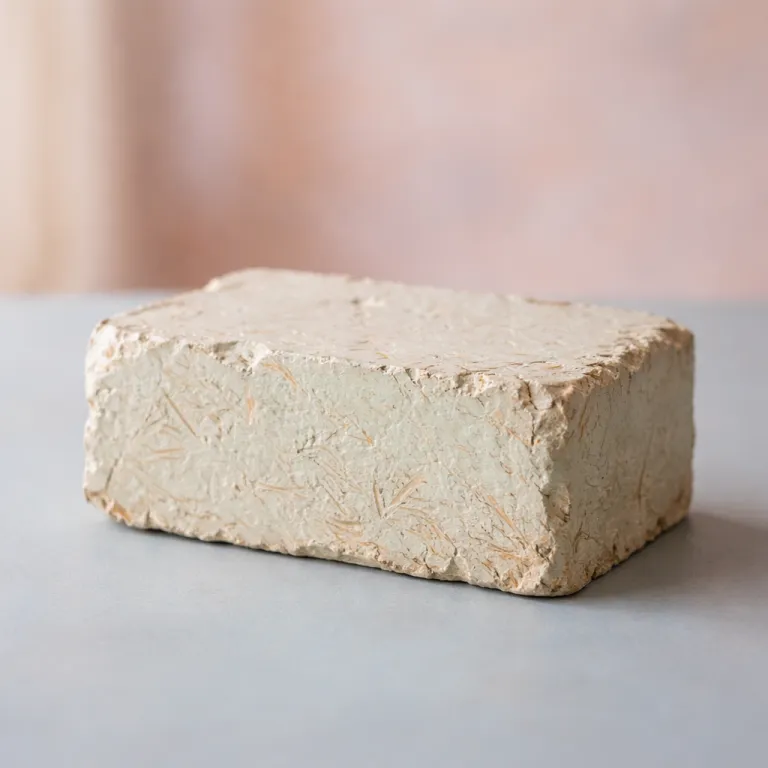
The walls of Adrere Amellal are not painted to look rustic; they are structural salt and mud. Local builders mix Siwa salt, desert earth and palm trunks into kershif blocks, then stack them into thick walls that behave like a living thermostat. In a region where concrete hotels rely on air conditioning, this Adrere Amellal eco approach keeps rooms cool by mass and porosity rather than by machines.
Walk into a room at Adrere Amellal at midday and you feel the difference immediately. Outside, the Siwa Oasis often shimmers above 40 degrees Celsius in summer, but inside the lodge the air is several degrees lower, the light filtered through small openings that frame the palm groves and the distant mountain. Kershif absorbs heat slowly during the day, then releases it at night, so the temperature curve inside the ecolodge lags behind the desert’s violence outside.
This is why the word eco lodge has weight here. At Adrere Amellal and at Taziry Ecovillage, the choice of kershif is not a nostalgic gesture; it is the primary cooling system, supported by cross-ventilation and the way rooms are oriented to catch prevailing winds. One long-time staff member summed it up simply: “If we build with salt and earth, the walls do the work, not the generator.” For solo travelers used to sealed glass towers in Cairo or to the carbon-light business stays described in this guide to defensible business trips in Egypt, the tactile coolth of salt walls is a recalibration of what comfort can mean.
Forty mud rooms, zero switches: how candlelight rewrites a night
Adrere Amellal is often described as having around forty rooms, each one different, all of them built in kershif and lit primarily by beeswax candles. There are effectively no electricity rooms here; the absence of sockets is not an omission, it is the point. The project, founded by sustainable development expert Mounir Neamatalla and operated by his firm Environmental Quality International (EQI), set out to prove that a luxury lodge in Siwa Egypt could run on silence, starlight and engineering rather than on generators.
As the sun drops behind the White Mountain, staff place candles in alcoves, on window ledges and along the paths that link the small clusters of rooms. The effect is not theatrical, it is practical; you see just enough to move, eat and talk, but not enough to scroll, and the Siwa eco lodge experience becomes about the pace of your own thoughts. At dinner, long tables are set under the open sky or in vaulted dining rooms, and the lack of electric light pulls conversation inward and slows it down.
“Is there electricity at Adrere Amellal? Guest rooms do not use mains electricity and are lit by candles, with only limited power available in back-of-house areas for essential operations and occasional device charging.” That single operational fact changes how people sleep, how they read, how they register the sound of wind moving across the oasis and the distant echo from Shali Fortress. In practice, most guests charge phones and cameras for an hour or two in a small office or reception area, usually in the early evening, so plan to arrive with power banks and offline maps. For a solo traveler, a stay at Adrere Amellal is not about isolation; it is about a curated quiet where the loudest thing might be your own decision to open another bottle of local wine or to walk out toward the salt lakes in the dark.
Water, salt pools and the work behind every shower
In a desert, water is not an amenity, it is the operation. At Adrere Amellal, wastewater is treated and reused for irrigation, so the palm gardens and small plots of vegetables are literally grown from yesterday’s showers. This is where the eco in Adrere Amellal’s model becomes visible, in the way every drop is cycled back into the oasis rather than flushed away.
The Siwa Oasis itself rests on a complex aquifer system that feeds hot springs, cool wells and the famous salt lakes that ring the depression. Many lodges, including this Siwa eco lodge and Desert Rose Ecolodge, channel this mineral-rich water into salt pools where you float as effortlessly as in the Dead Sea, the Siwa salt stinging any cut but leaving skin oddly refreshed. Swimming here is not a poolside pastime; it is a direct encounter with the geology that made settlement in this corner of Egypt possible.
For solo travelers, understanding this water story changes how you use the hotel. Long showers feel different when you have walked past the reed beds that clean greywater, and a late-night swim in the salt pools becomes a ritual rather than a casual dip. If you are pairing Siwa with a Nile stay, the contrast with the riverfront properties in Luxor covered in our guide to luxury hotels in Luxor is instructive; there the water is a view, here it is a finite resource that structures every decision.
Food, silence and the solo traveler’s slow-burn stay
Food at Adrere Amellal and its peers is not about imported truffles, it is about what the oasis can grow and what can be brought in from Siwa town without breaking the eco logic. Menus lean on organic dates, olives, vegetables and herbs from the lodge gardens, with meat and dairy sourced from local people who have worked these lands for generations. When the nearest serious market is hours away, seasonal really means seasonal, and the kitchen becomes a daily negotiation with the desert.
Meals stretch out, especially at night, when candlelight and the absence of Wi-Fi turn dinner into the main activity rather than a prelude. Solo guests are often seated at shared tables, and conversations drift from the Temple of the Oracle of Amun, where Alexander the Great is said to have sought legitimacy, to the layered history of Shali Fortress and the unique geology of the surrounding desert. Wine lists are short but thoughtful, often featuring Egyptian labels that travel badly but drink beautifully when the air is dry and the stars are sharp.
This is where the Siwa eco lodge model serves solo travelers particularly well. Silence is not an awkward gap to be filled by screens; it is the product, and the slow pace of meals, walks and swims gives you time to process both the landscape and your own reasons for coming. Typical nightly rates at Adrere Amellal sit in the high-end bracket for Egypt, with Desert Rose and Taziry generally more affordable, so many visitors fold two or three nights here into a longer Egypt itinerary that includes carbon-conscious city stays. The strategies outlined in our piece on new Egyptian desert stays pair neatly with a few nights in this oasis, where eco engineering and hospitality are inseparable.
When “eco” goes wrong, and how Siwa keeps it honest
Eco has become one of the most abused words in luxury travel, often reduced to reclaimed wood headboards and a token herb garden. In Siwa, the lodges that matter treat eco as engineering: kershif walls, water recycling, renewable energy where feasible and the hard choice to forgo standard electricity in guest rooms. When a hotel in the oasis sells rustic aesthetics without these structural decisions, it is trading on the Siwa name without paying into the system that keeps the oasis liveable.
Adrere Amellal, Taziry Ecovillage and Desert Rose Ecolodge sit on a spectrum of comfort, but all three anchor their promise in materials and systems rather than in slogans. Adrere Amellal’s identity is inseparable from its position below the White Mountain and from its decision to operate as a true ecolodge with no generators humming in guest areas. Desert Rose, closer to the road toward the White Desert, Black Mountain and Crystal Mountain, uses its location as a gateway for excursions while still grounding its lodge operations in water awareness and local employment.
For a solo traveler, the test is simple. When you read the words Siwa eco lodge or eco lodge in marketing copy, ask about construction materials, water treatment, energy sources and how many rooms the property actually runs. A place that can talk clearly about its salt walls, its relationship with local people and its role in the wider Siwa Oasis ecosystem is far more likely to deliver the kind of slow-burn stay that justifies the journey across the desert. Reaching Siwa usually means a long overland drive of eight to ten hours from Cairo or six to seven from Marsa Matrouh, so doing this homework before you commit to the trip matters.
FAQ
How many rooms does Adrere Amellal have, and what are they like?
Adrere Amellal is generally described as having about forty guest rooms, all built from kershif, the traditional mix of Siwa salt, mud and palm. Each room is different in layout and size, but all share thick walls, natural ventilation and candlelight instead of standard electric fixtures. Expect simple furniture, handwoven textiles and views that frame either the oasis, the salt lakes or the white mountain known locally as Amellal.
Is there any electricity or Wi-Fi at Adrere Amellal?
Guest rooms at Adrere Amellal do not have regular electricity, and there is no in-room Wi-Fi, which is a deliberate part of the eco concept. Public and staff areas use minimal power for essential operations, and guests who need to charge devices usually do so at designated points during limited hours, so plan your stay with that constraint in mind.
What makes Siwa’s eco lodges different from other desert hotels in Egypt?
Siwa’s leading lodges, including Adrere Amellal, Taziry Ecovillage and Desert Rose Ecolodge, are built primarily from local materials such as kershif and palm wood rather than concrete. They prioritise water recycling, small-scale agriculture and close collaboration with local people, so the eco label reflects engineering and operations rather than décor. For solo travelers, this means a quieter, slower stay where the desert, the oasis and the lodge function as one system.
How does water management work in a desert ecolodge like Adrere Amellal?
Water at Adrere Amellal comes from local wells that tap the aquifer beneath the Siwa Oasis, and every litre is treated as a finite resource. Greywater from showers and sinks is filtered and reused for irrigating gardens and trees, reducing pressure on the aquifer. Guests see the results in the form of small vegetable plots, shaded paths and carefully maintained salt pools that all depend on this closed-loop approach.
Is Siwa suitable for solo travelers, or is it better for groups?
Siwa works exceptionally well for solo travelers who value quiet, landscape and unhurried days. The scale of most lodges is small, with shared tables at meals and guided walks that make it easy to meet other people without forced socialising. If you are comfortable with limited connectivity and long travel times across the desert, a Siwa eco lodge stay can be one of the most rewarding solo trips in Egypt.