Why Khan el‑Khalili bazaar belongs on every luxury Cairo itinerary
The Khan el‑Khalili bazaar sits at the heart of Historic Islamic Cairo and offers an atmosphere no luxury traveller should miss. This centuries‑old marketplace grew around a late 14th‑century caravanserai commissioned by the Mamluk emir Jaharkas al‑Khalili under Sultan Barquq, evolving into a dense Khan el‑Khalili market that still anchors the social life of central Cairo. For guests booking premium stays in Egypt, it is the main urban counterpoint to the Giza pyramids and the Egyptian Museum in Tahrir.
From a high‑end hotel in Cairo, you reach Khan el‑Khalili in minutes by car, yet you step into a different Egypt shaped by the Fatimid and Mamluk periods. The surrounding streets of Islamic Cairo, especially the nearby Al‑Muizz li‑Din Allah Street, showcase layered Islamic architecture that frames every view of a minaret or mosque. Many travellers say the most evocative time to feel this contrast is late afternoon, when the light softens and the call to prayer echoes from Al‑Azhar Mosque and Al‑Hussein Mosque across the market.
Luxury travellers often worry they will only find mass‑produced souvenirs at any bazaar, but the reality at Khan el‑Khalili is more nuanced. You can still buy authentic Egyptian pieces if you know where to look and how to use your Egyptian pounds wisely. A curated hotel concierge or specialist guide can help you visit Khan el‑Khalili with a clear plan, focusing on selected workshops that prioritise craftsmanship over volume and steering you toward quieter courtyards behind the main thoroughfares, such as the small square near the historic Fishawi coffeehouse where metalworkers and calligraphers still keep studios.
Staying in Cairo: choosing luxury hotels near the historic bazaar
Location matters when you plan to visit Khan el‑Khalili while staying in Cairo. Many premium hotels cluster along the Nile or near the Egyptian Museum, yet they still offer easy transfers into Islamic Cairo and the Khan el‑Khalili market area. A private car usually brings you to the main entrance of the bazaar in about thirty to forty minutes, depending on traffic and the time of day, with slightly longer journeys during the evening rush.
Some travellers prefer heritage‑style properties closer to Historic Cairo so that Khan el‑Khalili becomes a short walk or a quick taxi ride. From these addresses, you can visit the khan early in the morning, return to your room for a rest, then head back to the market and mosque district after sunset. When you compare hotels, ask the concierge how they usually arrange a visit to the bazaar and whether they work with guides who specialise in Islamic architecture and traditional Egyptian crafts; one Cairo concierge describes their ideal route as “mosques first, then coffee at El Fishawi, then shopping in the side alleys where the good brass and textiles are.”
If your itinerary includes literary cafés and historic coffeehouses, consider pairing your stay near the bazaar with a culture‑focused route through Cairo. A thoughtful way to structure such a trip is outlined in this coffeehouse heavy Egypt itinerary, which you can easily adapt to include extra hours around Al‑Muizz Street and the Al‑Hussein Mosque. Luxury booking platforms often highlight properties that offer late check‑out, allowing you to spend more time at Khan el‑Khalili on your final day without rushing back to pack.
When to visit Khan el‑Khalili bazaar and how long to stay
Timing your visit to Khan el‑Khalili can transform the experience from hectic to harmonious. The best time for many luxury travellers is either early morning, when the market slowly wakes, or evening, when the lights glow and the air cools over Islamic Cairo. Midday hours can feel intense in Egypt, especially in summer, so plan your hotel spa or pool break around the hottest period and aim to be in shaded alleys rather than exposed squares.
Most guests find that three to four hours at the Khan el‑Khalili market allow for unhurried browsing, a pause for tea, and a short mosque visit. If you are passionate about Islamic architecture or photography, consider returning for a second session to walk Al‑Muizz Street and the lanes behind Al‑Azhar Mosque and Al‑Hussein Mosque. Those who enjoy slow travel often schedule one day for Khan el‑Khalili and another for the Egyptian Museum and Nile corniche, balancing historic bazaar life with curated galleries and riverfront promenades.
Shoulder seasons in Egypt reward travellers who value comfort and quieter streets. For guidance on choosing the smartest travel window and aligning it with a Nile‑view suite in Cairo or Luxor, review this analysis of the shoulder season case for Egypt. Once you fix your dates, ask your hotel to book a private car for your visit to the khan and to confirm typical opening hours, which for many shops run roughly from late morning until late evening, especially on weekends and during high season.
What to buy at the Khan el‑Khalili market: from Egyptian cotton to perfume oils
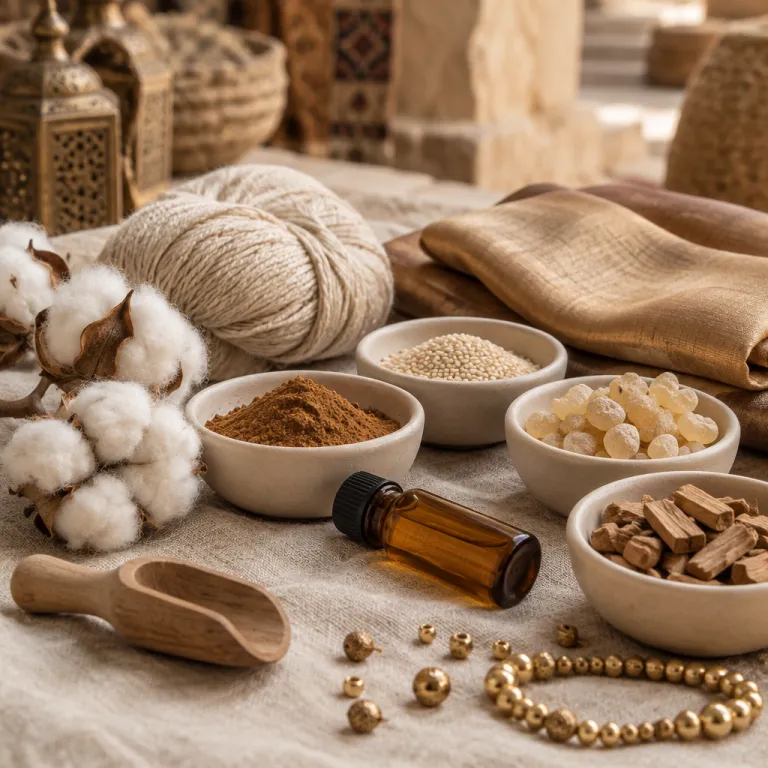
Shopping at Khan el‑Khalili can be deeply rewarding when you focus on a few categories that Egypt does particularly well. Many luxury travellers seek out high‑quality Egyptian cotton textiles, hand‑hammered brass and copper, and carefully blended perfume oils that reflect authentic Egyptian traditions. To avoid mass‑produced trinkets, walk past the first row of shops and explore the quieter alleys of the market, where long‑established family businesses often cluster.
When you plan to buy Egyptian cotton, ask about thread count, finishing, and origin, then compare prices in Egyptian pounds across several shops before deciding. Some merchants specialise in linens for premium hotels, and they often understand the expectations of guests who stay in five‑star properties in Cairo and beyond. If you want to buy Khan el‑Khalili jewellery or metalwork, look for workshops where you can see artisans at the bench rather than only polished displays of identical pieces, and ask whether custom engraving or monograms are available; for example, several small ateliers off the main gold market lane will inscribe initials in Arabic script on brass trays or silver pendants.
Perfume oils are another highlight of the bazaar, especially for travellers who enjoy sensory souvenirs. Choose smaller shops where the owner explains each blend and lets you test how the fragrance develops over a few minutes, rather than pushing large, mass‑produced bottles. When you visit the khan with a guide, ask them to steer you toward vendors known for traditional Egyptian recipes, and do not hesitate to walk away politely if you feel pressured to buy or if the quality feels inconsistent; prices for concentrated oils are often quoted per gram, so clarifying the unit before you agree helps avoid misunderstandings.
Tea, mosques, and architecture: slowing down in Islamic Cairo
The most memorable moments at Khan el‑Khalili often happen when you stop shopping and simply sit. Traditional Egyptian cafés around the main square invite you to linger over mint tea or strong coffee while the market flows past. From these seats, you can watch the façades of Mamluk‑period buildings change colour as the sun moves across Islamic Cairo and listen to conversations that blend Arabic, English, and other languages.
Several historic mosques frame the Khan el‑Khalili district, and they deserve more than a quick photograph. Al‑Azhar Mosque and Al‑Hussein Mosque both stand a short walk from the busiest part of the bazaar, allowing you to combine a mosque visit with time in the surrounding market streets. Respectful dress is essential in every mosque in Egypt, so carry a light scarf and ensure shoulders and knees are covered before you enter; some sites may also request that visitors remove shoes or use provided covers.
Architecture lovers should not limit themselves to the main thoroughfares of the bazaar. Side lanes leading toward Al‑Muizz Street reveal carved stone portals, wooden mashrabiya balconies, and traces of Fatimid foundations beneath later Mamluk additions. If you enjoy structured cultural days, you can pair a morning of mosque and architecture visits with an afternoon Nile cruise planning session using this guide to choosing the right Nile cruise for a luxury Egypt stay.
Practical etiquette and safety tips for luxury guests at the historic bazaar
Understanding local etiquette at Khan el‑Khalili helps luxury travellers feel relaxed and respected. Bargaining is expected in most shops, yet it should remain friendly and good‑humoured, even if you ultimately do not buy. When you visit the khan with a private guide, ask them to indicate fair starting prices in Egyptian pounds so that negotiations stay realistic and you avoid unintentionally overpaying.
Many visitors worry about being overwhelmed by calls from vendors in the market. A simple smile and a polite “no, thank you” usually works, and you can continue walking without feeling obliged to enter every shop. If you do step inside, remember that tea is often offered as a gesture of hospitality, not a binding commitment to buy, so don’t feel pressured by this traditional Egyptian courtesy or by friendly conversation.
Safety in this part of Cairo is generally good, especially during busy hours when families and local shoppers fill the bazaar. Keep valuables close, avoid flashing large amounts of cash, and use hotel cars or trusted taxis to travel between your property and Khan el‑Khalili. Many premium hotels maintain close relationships with vendors and licensed guides in Islamic Cairo, so leverage that network to arrange a smooth, well‑supported visit to the historic bazaar district.
Linking Khan el‑Khalili bazaar with wider Egyptian cultural highlights
A refined Cairo stay often weaves Khan el‑Khalili into a broader cultural narrative. One classic pairing is a day that begins at the Egyptian Museum, continues through Islamic Cairo and the Khan el‑Khalili quarter, and ends with dinner overlooking the Nile. This sequence lets you experience Egypt as a continuum, from pharaonic artefacts to Fatimid foundations and the living market culture of the historic bazaar.
Travellers with more time can extend this thread beyond Cairo to Luxor, Aswan, and the great temples along the river. Many luxury itineraries schedule a few hours at the Khan el‑Khalili market before or after a Nile cruise, using the bazaar to source elegant clothing, Egyptian cotton scarves, or perfume oils for evenings on deck. When you visit the khan at the start of your trip, you can also buy small, authentic Egyptian gifts for hosts and guides you will meet later in Egypt.
For those who appreciate thematic journeys, consider structuring your days around architecture, from the Fatimid and Mamluk monuments of Islamic Cairo to the sandstone colonnades of Upper Egypt. In this context, the mosques around Khan el‑Khalili, the carved façades on Al‑Muizz Street, and the caravanserai origins of the market become essential chapters rather than isolated sights. By the time you leave Cairo, you will have experienced not only a place to buy souvenirs but a living, breathing historic bazaar that still shapes how the city understands itself.
Key figures and travel statistics for Cairo and Khan el‑Khalili
- According to the Egyptian Ministry of Tourism and Antiquities, Cairo receives several million international visitors annually—over 3 million in some recent pre‑pandemic years—and a significant share include Khan el‑Khalili and Islamic Cairo in their itineraries, reflecting the area’s enduring appeal for cultural travellers.
- UNESCO recognises Historic Cairo, which includes the Khan el‑Khalili district, as a World Heritage Site under criteria (i), (v), and (vi), highlighting the density of Islamic architecture from the Fatimid and Mamluk periods within a relatively compact urban area; these criteria are documented in the official UNESCO World Heritage listing for Historic Cairo.
- Surveys from major luxury hotel brands in Egypt indicate that guests typically spend between three and five hours at the Khan el‑Khalili market and surrounding mosques, often combining shopping with at least one traditional Egyptian tea or coffee stop in a historic café.
- Average taxi transfer times from central Nile‑side hotels to Khan el‑Khalili range from thirty to forty‑five minutes depending on traffic, so many concierges recommend planning one focused visit rather than multiple short trips in a single day, especially during peak seasons.
FAQ: planning a luxury visit to Khan el‑Khalili bazaar
How much time should I allocate for Khan el‑Khalili during a luxury stay ?
Most luxury travellers find that three to four hours at Khan el‑Khalili provide enough time to explore the main lanes, enjoy tea at a traditional Egyptian café, and visit nearby mosques such as Al‑Azhar Mosque or Al‑Hussein Mosque. If you are particularly interested in architecture or photography, consider returning for a second visit focused on Al‑Muizz Street and the quieter back alleys of Islamic Cairo. Guests on tight schedules often combine the bazaar with either the Egyptian Museum or a Nile‑side dinner on the same day.
Is it easy to reach the Khan el‑Khalili market from major Cairo hotels ?
Yes, most premium hotels in Cairo can arrange private cars or trusted taxis to the Khan el‑Khalili market and back. Transfer times usually range from thirty to forty‑five minutes each way, depending on traffic and the time of day. Many concierges recommend visiting the bazaar either in the early morning or evening to avoid the hottest hours and the heaviest congestion.
What are the best things to buy at Khan el‑Khalili bazaar ?
Popular high‑quality purchases at Khan el‑Khalili include Egyptian cotton linens and scarves, hand‑crafted metalwork, and carefully blended perfume oils. To avoid mass‑produced souvenirs, look for smaller workshops where you can see artisans at work and ask detailed questions about materials and techniques. Paying in Egyptian pounds usually secures better value, and a knowledgeable guide or concierge recommendation can help you identify reputable shops.
Is bargaining expected at the historic bazaar, and how should I handle it ?
Bargaining is part of everyday life at the historic bazaar and is generally expected in most shops. Start by offering a respectful counter price, often around half of the initial quote, and then move toward a middle ground while keeping the tone friendly. If you do not wish to buy, a polite smile and a firm “no, thank you” are usually enough, and you should not feel obliged to continue negotiating or explain your decision.
Is Khan el‑Khalili safe for families and solo travellers staying in luxury hotels ?
Khan el‑Khalili is typically busy and lively, which contributes to a sense of safety for families and solo visitors. Standard urban precautions apply, such as keeping valuables secure and avoiding very late‑night walks through empty side streets. Many luxury hotels can arrange for a trusted guide to accompany you, adding an extra layer of comfort while you explore Islamic Cairo and the surrounding mosque district.
References
- Egyptian Ministry of Tourism and Antiquities
- UNESCO World Heritage Centre – Historic Cairo
- Egyptian Tourism Authority