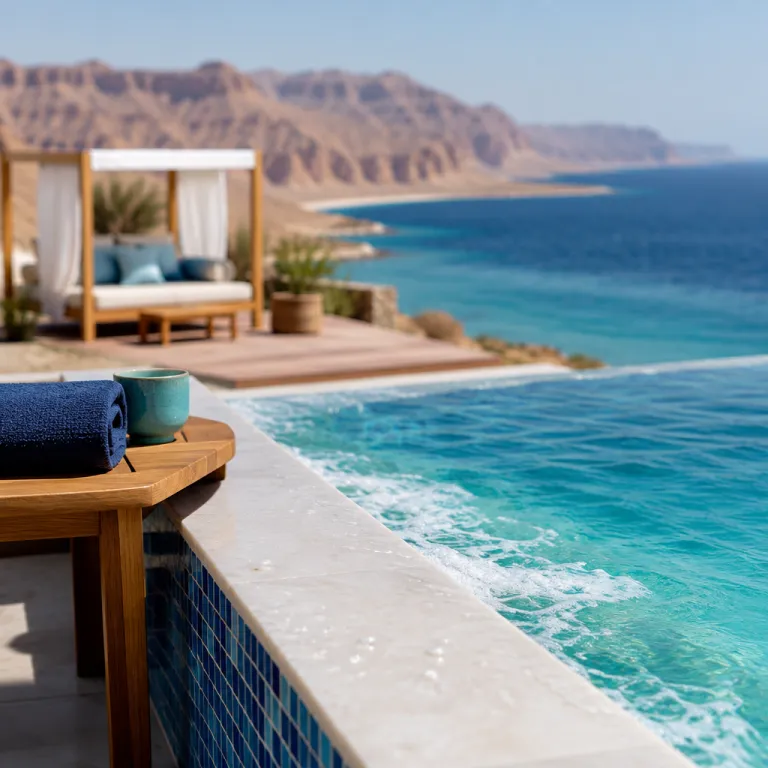
Sinai escapes in the desert of Egypt for refined luxury stays
The desert of Egypt shapes every refined stay in Sinai, from the first view of ochre cliffs to the last candlelit dinner under the stars. Luxury hotels here frame the Egyptian desert as a stage for quiet elegance, attentive service, and curated adventure. Guests move between sea-facing suites and guided desert tours, always anchored by comfort and privacy.
Across these Egyptian deserts, the contrast between the Red Sea and the Eastern Desert creates a rare dual experience. You can spend the morning on a yacht over translucent water, then cross a corridor of sand to reach silent wadis and sculpted rock formations by late afternoon. This balance between coastal ease and inland wilderness defines the most sought-after desert Egypt itineraries.
For travellers comparing deserts Egypt with other regions, Sinai stands apart through its scale and accessibility. The north–south spine of mountains around Mount Sinai and Saint Catherine offers dramatic scenery within a few hours of major airports such as Sharm El Sheikh International. High-end properties translate this raw landscape into tailored stays, where every trip is planned to respect both comfort and the fragile environment.
Red Sea luxury bases for Sinai and eastern desert adventures
Sharm El Sheikh on the Red Sea is the most established luxury base for exploring the Eastern Desert of Egypt. High-end resorts line the sea, yet within an hour you can be driving into canyons of red and white sandstone. This proximity allows guests to enjoy spa mornings, then join private desert tours into Bedouin territory before sunset.
Many travellers choose refined Red Sea stays as their anchor, then add curated excursions into the desert of Egypt for contrast. From Sharm El Sheikh, operators arrange small group or private tours into the sand-sea areas north of the town, where dunes roll towards the interior. For readers planning a stay, this guide to refined Red Sea hotels in Sharm El Sheikh is a strong starting point for comparing locations and services.
Along this north–south stretch of coastline, luxury properties differ in how they connect guests to the Egyptian desert. Some focus on marine life and the Red Sea, while others specialise in night-time stargazing, camel rides, and 4x4 adventure into the Eastern Desert. When you evaluate options, look for resorts that work with licensed Egyptian guides and limit group sizes, as this protects both the environment and the quality of your experience.
Mountain hideaways near Mount Sinai and Saint Catherine
High in the interior, the mountain belt around Mount Sinai offers a quieter, more contemplative side of the desert of Egypt. Here, altitude cools the air, and the sand gives way to granite peaks and narrow valleys. Luxury and premium lodges focus on silence, local stone architecture, and slow travel rhythms.
Many guests come to combine a stay with a guided ascent of Mount Sinai and a visit to Saint Catherine Monastery, one of the most important ancient Christian sites in Egypt. The climb often begins in darkness, with the eastern horizon slowly brightening over the Egyptian desert as you approach the summit. A local Bedouin guide might suggest, “Pause just before the top and turn back to the valleys—sunrise feels different when you see the whole desert wake at once.” After sunrise, travellers descend to explore the Saint Catherine Monastery complex, then retreat to their hotels for long breakfasts and restorative spa treatments.
For those seeking discreet, design-led retreats, this overview of Sinai mountain hideaways above the desert floor highlights properties that integrate local stone, minimal lighting, and sustainable water use. These stays position you between the Red Sea and the high desert, making it easy to combine coastal days with hikes among rock formations and night skies free from light pollution. The result is an Egyptian desert experience that feels both intimate and deeply rooted in place.
Comparing Sinai with the western desert, White Desert, and Black Desert
Travellers often weigh Sinai against the Western Desert when planning a trip focused on the desert of Egypt. The Western Desert stretches from the Nile to the Libyan border, encompassing the White Desert, the Black Desert, and several oases. Sinai, by contrast, offers a more compact mix of sea, mountains, and Eastern Desert landscapes.
The White Desert is famous for its surreal chalk rock formations, where wind and sand have sculpted towers and mushrooms of desert-white stone. Nearby, the Black Desert presents low volcanic hills dusted with dark basalt, creating a stark contrast with the surrounding sand sea. These Western Desert regions feel more remote than Sinai, and luxury stays often rely on tented camps and small ecolodges rather than large seafront hotels.
For guests who value easy access to the Red Sea and shorter transfers, Sinai usually suits a first visit to deserts Egypt. Those returning to Egypt with a deeper interest in geology and silence may prefer multi-day desert tours in the Western Desert, combining the White Desert, the Black Desert, and the great sand expanses near the Libyan border. Both regions reward careful planning, but Sinai remains the more versatile choice for combining high-end hotels with varied adventure.
Giza, the Sahara, and integrating city stays with desert Egypt
Many itineraries begin or end at the Giza Plateau, where the pyramids rise from the edge of the Sahara Desert. Luxury hotels near Giza allow guests to see the monuments at quieter times, then continue towards Sinai or the Western Desert. This combination of ancient sites and modern comfort sets the tone for the rest of the trip.
From Cairo, travellers can head north towards the Mediterranean Sea coast, or turn east towards Sinai and the Red Sea. The route to Sinai crosses the Eastern Desert, where the landscape gradually shifts from urban outskirts to open sand and low hills. Along the way, curated stops at viewpoints and small desert lodges help break the journey and introduce the character of the Egyptian desert.
Some visitors choose to pair a stay near the Giza Plateau with nights in Luxor, using resources such as this guide to refined Nile stays and cruises in Luxor. This creates a north–south arc along the Nile, framed by deserts Egypt on both sides. From there, a final leg to Sinai or the Western Desert completes a circuit that touches sea, sand, and the most important ancient sites in Egypt.
Designing luxury Sinai itineraries across sea, sand, and sacred sites
Planning a premium stay in Sinai means balancing time between the sea, the desert of Egypt, and sacred mountain sites. A common pattern is three nights on the Red Sea, two nights near Mount Sinai, and one night in a desert camp. This structure allows you to experience both the Egyptian desert interior and the coastline without rushing.
On the coast, choose hotels that offer small-scale desert tours into nearby canyons and sand-sea areas, rather than only large group excursions. Inland, look for lodges that limit vehicle traffic, use local guides, and respect traditional Bedouin routes across the Eastern Desert. These choices reduce impact on fragile sand and rock formations while improving the quality of your experience.
When combining Sinai with the Western Desert or the White Desert, allow enough time for transfers across long north–south distances. The great sand expanses between oases and the Libyan border require careful logistics and experienced drivers. For most first-time visitors, focusing on Sinai and the Red Sea provides ample variety, with the option to add the Western Desert and Black Desert on a future trip.
Practical booking advice for premium stays in the deserts of Egypt
Booking luxury hotels in the deserts of Egypt requires attention to season, access, and on-the-ground partners. Temperatures in the Egyptian desert vary sharply between day and night, and between the north Mediterranean Sea coast and the south near the Red Sea. Aim for periods when daytime heat is manageable, yet evenings in the sand remain pleasantly cool.
When you compare properties, look beyond room photos to understand how each hotel connects you to the desert of Egypt. Some excel at arranging private desert tours into the Eastern Desert, while others focus on cultural visits to Mount Sinai and Saint Catherine Monastery. A few specialise in multi-day journeys that link Sinai with the Western Desert, the White Desert, and the Black Desert, often using tented camps in the great sand regions.
For transfers, confirm whether your hotel can coordinate licensed drivers familiar with desert Egypt routes, especially when crossing between the Giza area, Sinai, and the Western Desert. Distances across these Egyptian deserts are long, and conditions can change quickly between north and south. Clear communication before your trip ensures that every segment, from sea-facing resorts to inland lodges, aligns with your expectations for comfort and safety.
Key figures on luxury travel in the desert of Egypt
- According to the Egyptian Ministry of Tourism and Antiquities, Sinai and Red Sea destinations account for a significant share of Egypt’s international arrivals, with coastal and desert regions together representing well over half of leisure visits in recent reporting periods.
- UN World Tourism Organization data shows that Egypt has ranked among the fastest-growing destinations in the Middle East in recent years, with desert and cultural tourism playing a central role in this expansion.
- Industry analyses from firms such as Colliers International indicate that high-end hotel supply in Red Sea and Sinai resorts has expanded steadily, reflecting sustained demand for premium sea and desert experiences.
- Conservation-focused operators report that small group desert tours, typically capped at 6 to 10 guests per vehicle, reduce environmental impact while allowing higher-value, more personalised experiences in fragile Egyptian desert ecosystems.
FAQ about Sinai escapes and the desert of Egypt
Is Sinai safe for luxury travel in the desert of Egypt ?
Security conditions in Sinai are closely monitored by Egyptian authorities, and major Red Sea resorts and established mountain areas operate under strict safety protocols. Travellers should book with reputable hotels and licensed operators, follow official travel advisories from their home countries, and use organised transfers rather than independent overland routes. When these guidelines are respected, premium stays in Sinai’s coastal and desert regions can be both secure and comfortable.
How many days do I need for a Sinai and desert Egypt itinerary ?
A balanced luxury itinerary in Sinai and the surrounding deserts of Egypt usually requires at least six to eight days. This allows three or four nights on the Red Sea, two nights near Mount Sinai or Saint Catherine Monastery, and one or two nights in a desert camp or inland lodge. Travellers who wish to add the Western Desert, the White Desert, or the Black Desert should plan for ten to twelve days to avoid rushed transfers.
What is the best season to visit the deserts Egypt region ?
The most comfortable periods for visiting the deserts of Egypt, including Sinai, the Eastern Desert, and the Western Desert, are generally spring and autumn. During these months, daytime temperatures in the Egyptian desert are warm but manageable, while evenings in the sand remain cool enough for outdoor dining and stargazing. Summer brings intense heat, especially in inland areas, so many luxury travellers either focus on the sea or shift their trip to cooler months.
Can I combine Giza, Luxor, and Sinai in one luxury trip ?
It is entirely feasible to combine the Giza Plateau, Luxor, and Sinai in a single high-end itinerary, provided you allow enough time. A common pattern is to start in Cairo and Giza for ancient sites, continue to Luxor for Nile temples and refined riverfront hotels, then fly or transfer to the Red Sea and Sinai for sea and desert experiences. Coordinating flights and private transfers through your hotels or a trusted Egyptian travel advisor helps streamline the north–south movements.
Do luxury hotels in Sinai offer authentic Egyptian desert experiences ?
Many premium properties in Sinai work with local Bedouin guides and specialised operators to provide authentic Egyptian desert experiences. These can include sunset walks in nearby canyons, small group 4x4 excursions into the Eastern Desert, and visits to traditional communities, always arranged with respect for local customs. When booking, ask how the hotel sources its guides, what group sizes are typical, and how activities support conservation of the surrounding sand and rock formations.