Section 1 – How this Egypt hotel breakfast guide reads your property before you do
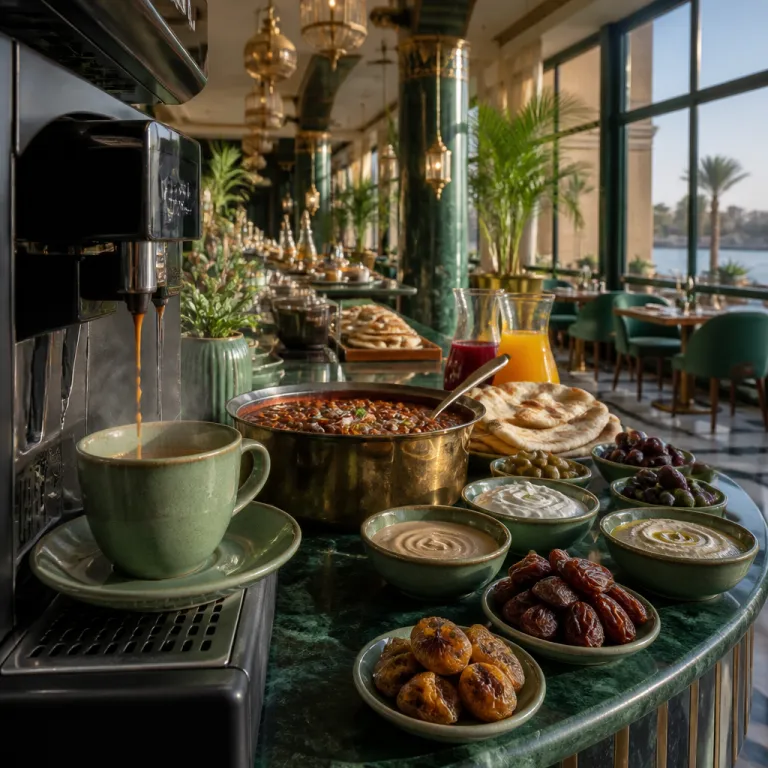
Walk into any hotel dining room in Egypt and the breakfast layout quietly tells you how seriously the property takes its sense of place. A thoughtful Egypt hotel breakfast guide starts with one question for travelers who like to eat breakfast well: does the first thing you smell come from a warming tray of anonymous eggs or from earthy fava beans simmering for foul medames beside stacks of baladi bread? In luxury hotels where management understands that breakfast in Egypt is identity, not just fuel, you will see traditional Egyptian flavors sitting confidently beside international breakfast foods rather than being pushed to a lonely corner.
In these properties, hotel management, chefs, and waitstaff work as a visible équipe during the morning period from 6:00 to 10:00, turning the first meal into a calm choreography instead of a chaotic station scramble. When chefs are present in the room, adjusting the foul pot, drizzling olive oil over labneh, or explaining which Egyptian breakfast dishes their own families cook at home, you feel that the hotel is anchored in Egypt rather than in a generic global chain template. As one Cairo executive chef at a Nile-side luxury property put it during a site visit, “If our guests can’t taste where they woke up, we’ve missed the point of breakfast.” Where waitstaff know how Egyptians eat their first meal, they will suggest pairing aish baladi with beans bread combinations, or offer mint tea instead of automatically pouring coffee, which subtly signals respect for local rhythm.
By contrast, a property that treats breakfast Egypt style as an afterthought will hide its Egyptian elements behind a wall of pastries and imported cereals, hoping you will not notice that the baladi loaves are not really fresh. In such hotel buffets, you might find a token tray of foul medames and a bowl of olives, but no one around to explain why Egyptians eat their fava beans with cumin, lemon, and sometimes chopped onions. This Egypt hotel breakfast guide exists to help you read those signals quickly so you can decide whether to linger over a generous morning spread in the dining room or head straight to the street stalls outside.
Section 2 – Cairo hotel buffets versus the city outside: where to eat breakfast with your family
In Cairo, the contrast between polished hotel buffets and the raw energy of food Cairo outside the lobby is especially sharp, and your choice of where to eat breakfast shapes the whole day. At a well run Nile side hotel, the buffet station layout will mirror the city’s own mix of old and new, with live cooking for eggs and pancakes beside steaming pots of foul medames, baskets of baladi bread, and small plates of labneh, cucumbers, tomatoes, and olives that echo family tables across Egypt. Families who want a structured start often prefer these controlled environments, where children can pick familiar breakfast foods while parents explore more traditional Egyptian options without worrying about street traffic or change for cash.
Yet the best breakfast Cairo experiences rarely stay inside the property walls for the entire trip, especially if you care about understanding how Egyptians eat in their own city. Once you have sampled the hotel’s version of Egyptian breakfast, step out toward Khan Khalili or any older neighborhood and you will see how street stalls handle foul, beans bread sandwiches, and aish baladi with a speed and confidence that no buffet can match. In central Cairo, long-running spots such as Felfela or Zooba branches show how locals line up for morning sandwiches, while smaller kiosks near Tahrir Square serve office workers in a steady stream. For solo travelers or parents taking turns, pairing one morning at a polished buffet with another guided by a focused Cairo hotel dining itinerary gives you both safety and authenticity.
When evaluating where to eat breakfast on a given morning, look at the balance between local and international offerings and at how fresh the bread and fava beans appear. A buffet that refreshes its baladi loaves frequently, keeps the foul medames hot but not dried out, and offers properly brewed mint tea alongside coffee is usually worth your time, especially if breakfast is already included in the room rate. If the spread feels tired, this Egypt hotel breakfast guide suggests taking your family for a short walk to a juice cart or a simple café, where a glass of fresh sugar cane juice and a plate of breakfast foul can turn into a small Cairo food adventure.
Section 3 – Reading regional identity on the plate: Cairo, Aswan, Alexandria, and the Red Sea
One of the quiet pleasures of using an Egypt hotel breakfast guide is noticing how the same core ingredients shift character as you move from Cairo to Aswan, Alexandria, and the Red Sea coast. In the capital, breakfast Cairo style leans heavily on foul medames, baladi bread, and fried Egyptian falafel known as ta’amiyya, often brightened with salads and pickles that reflect dense urban life. Down in Aswan, especially in Nubian run hotels or eco lodges, the morning table might feature different bread traditions, spiced beans, okra based dishes, and herbal tea blends that speak to the slower rhythm of the Nile’s southern reaches.
In Aswan, for example, small Nubian guesthouses on Elephantine Island and riverside lodges in Gharb Soheil often serve thick fava stews with local spices, sesame based dips, and home baked flatbreads that differ from Cairo’s aish baladi. Along the Mediterranean in Alexandria, hotel buffets sometimes surprise first time visitors with seafood leaning breakfast foods, such as grilled fish, sardines, or shrimp stews sitting beside baladi bread and labneh, a combination that makes sense once you taste how fresh the catch is. Here, the way Alexandrian hotels handle olives, olive oil, and pastries tells you whether they are truly plugged into local suppliers or just importing generic products from Cairo food distributors. On the Red Sea, by contrast, many resorts tilt toward international spreads for European families, so you may need to look harder for a corner where Egyptian breakfast dishes like foul, aish baladi, and fava beans are given equal respect.
Properties that care about gastronomy will often highlight these regional differences in their marketing, but the real test is always what appears on the plate at 7:30 in the morning. A desert property such as the eco lodge in Siwa profiled in this three layers of Egyptian hotel gastronomy feature might serve baladi loaves baked in clay ovens, drizzled with local olive oil, and paired with beans bread combinations that taste entirely different from what you had in Cairo. In Alexandria, long established cafés along the Corniche may supply bread or pastries to nearby boutique hotels, while in Hurghada and El Gouna some Red Sea resorts now showcase Upper Egyptian dates and Sinai honey at their morning stations. When you see that level of attention to local food at breakfast, you can be confident that the hotel’s wider culinary program, from rooftop grills to private chef dinners, will be equally rooted in Egypt rather than floating in international sameness.
Section 4 – Inside the buffet: when to stay, when to step out to street stalls
Not all hotel buffets in Egypt are created equal, and this Egypt hotel breakfast guide is unapologetically selective about which ones deserve your appetite. At the top end, especially in five star properties where the advertised price for a full morning spread can approach 900 Egyptian pounds, you will find live stations for eggs, pancakes, and sometimes crêpes, alongside carefully maintained pots of foul medames, baskets of baladi bread, and chilled displays of labneh, cheeses, and fresh fruit. That 900 EGP figure reflects publicly listed 2024 sample rates at leading Nile side hotels such as the Four Seasons Hotel Cairo at Nile Plaza and the Nile Ritz-Carlton, where breakfast is either bundled into premium room categories or sold as a separate add on. In these rooms, chefs are not hidden in the kitchen but move between tables, checking that the fava beans have the right texture and that the Egyptian breakfast corner reflects how Egyptians eat at home.
When the buffet feels perfunctory, with lukewarm foul, dry bread, and a lonely urn of over brewed tea, you are better off treating it as a quick coffee stop before heading to the nearest street stalls. Outside many Cairo and Alexandria hotels, a short walk brings you to vendors assembling beans bread sandwiches, frying eggs to order, and pouring glasses of mint tea or strong black tea for office workers who eat breakfast on the move. Those few minutes among locals, watching how Egyptians eat their morning meal, often tell you more about the city than an hour in a generic dining room.
For families, the decision can be tactical: use the hotel buffets on days when you have early tours, then plan slower mornings where you eat breakfast in phases, starting with fruit and yogurt at the hotel and finishing with breakfast foul or aish baladi sandwiches outside. A good rule of thumb in this Egypt hotel breakfast guide is simple: if the hotel’s baladi bread is genuinely warm and the foul medames tastes as if someone cared, stay and enjoy the calm. If not, treat the buffet as a safety net for picky children, then slip out for a second round of food Cairo style that will give you a more vivid memory of Egypt.
Section 5 – Family focused breakfast strategies: what children actually eat in Egypt
Traveling families often worry about what their children will eat breakfast wise in Egypt, but most luxury and premium hotels handle this gracefully. International sections of hotel buffets usually include cereals, pastries, pancakes, and eggs, which cover the comfort zone while parents explore the Egyptian breakfast corner with its foul medames, baladi bread, and labneh drizzled with olive oil. The key is to introduce local breakfast foods gradually, perhaps starting with a small piece of warm aish baladi dipped in honey or cheese before moving toward fava beans or more robust traditional Egyptian dishes.
Children who like hummus often take naturally to foul once you explain that it is made from similar beans, and that many Egyptians eat it every morning as their main source of energy. Ask waitstaff to prepare a mild version of breakfast foul without too much chili, then pair it with soft baladi bread or toast to create a familiar texture. A glass of mint tea sweetened lightly with sugar can also feel like a treat, especially when served in small glasses that echo what you see in cafés and street stalls around Cairo.
Room service can be a useful tool on the first jet lagged morning, allowing children to eat breakfast in pajamas while adults sample the wider spread later in the dining room. Many hotels in Egypt offer à la carte trays that include bread, cheeses, olives, fruit, and a pot of tea, which effectively bring a curated slice of the buffet to your room. Over several days, this Egypt hotel breakfast guide encourages families to mix formats: one day at the buffet, one day with room service, and at least one morning where you step out to a juice cart or simple café so children see how food and daily life connect in Egypt.
Section 6 – Cost, value, and when the corner bakery beats the buffet
From a value perspective, breakfast in Egypt can range from lavish to almost symbolic in price, and understanding that spectrum helps you book smarter. In many five star hotels, the breakfast Egypt rate is either bundled into the room or charged separately at a level that reflects both the variety of dishes and the service infrastructure behind them. When breakfast is included, this Egypt hotel breakfast guide suggests using it fully on at least a few mornings, especially in properties that highlight Egyptian dishes like foul medames, baladi bread, and labneh alongside international options.
If breakfast is not included, compare the quoted price with what you would spend at nearby cafés, bakeries, or street stalls, where a plate of breakfast foul, warm aish baladi, and a glass of fresh juice can cost a fraction of the hotel rate. The juice carts that cluster near major hotels in Cairo and Alexandria are particularly good value, pressing sugar cane, mango, or guava to order in front of you, and pairing naturally with a simple beans bread sandwich from a neighboring stall. For many travelers, alternating between one or two indulgent mornings at high end hotel buffets and several days of local breakfasts outside strikes the best balance between comfort and immersion.
Some properties go further by partnering with local suppliers and food distributors to ensure that their bread, olives, and fava beans are genuinely fresh rather than mass produced. In Cairo, for example, several upscale hotels source baladi loaves from long established bakeries in Garden City and Zamalek, while Red Sea resorts increasingly highlight olive oil from Sinai and Upper Egypt cooperatives on their buffet labels. When you see signage explaining where the bread comes from, or when staff mention that they source oil from a specific region, you know that the cost you are paying supports a broader food ecosystem in Egypt. For travelers interested in sustainable luxury, eco focused lodges such as the Siwa property profiled in this eco lodge breakfast experience show how a carefully curated morning table, built around local ingredients and traditional Egyptian recipes, can feel more luxurious than the most extensive buffet station.
Key figures that shape the Egypt hotel breakfast experience
- The average price for a full breakfast in a leading five star Cairo hotel is around 900 Egyptian pounds, a level that reflects both the breadth of dishes offered and the labor required to maintain multiple live stations during the 6:00 to 10:00 service window. This figure is based on publicly available 2024 pricing from major Nile side properties such as the Four Seasons Hotel Cairo at Nile Plaza and the Nile Ritz-Carlton.
- Most four and five star hotels in Egypt operate breakfast service for roughly four hours each morning, typically between 6:00 and 10:00, which allows both early tour departures and slower family schedules to fit comfortably into the dining room rhythm.
- Hotel breakfast programs that integrate local dishes such as foul medames, baladi bread, and seasonal fruits tend to receive higher guest satisfaction scores in internal surveys, as travelers increasingly look for a sense of place in their first meal of the day.
- Partnerships with local suppliers and food distributors are becoming more common in luxury Egyptian hotels, as management teams respond to guest demand for sustainable sourcing and fresher ingredients at the breakfast table.
- In urban centers like Cairo and Alexandria, a simple breakfast of foul, aish baladi, and fresh juice from street vendors can cost less than one tenth of a high end hotel buffet, which is why many repeat visitors alternate between both options during a single stay.
Frequently asked questions about hotel breakfasts in Egypt
What is typically included in an Egyptian hotel breakfast ?
What is typically included in an Egyptian hotel breakfast? Items like ful medames, baladi bread, cheeses, and fresh fruits. In practice, most four and five star properties also add eggs, pastries, cereals, and hot beverages so that both local guests and international travelers find something familiar on the table. The more serious the hotel is about gastronomy, the more space you will see devoted to Egyptian breakfast dishes such as foul medames, aish baladi, and regional specialties.
Do all hotels in Egypt offer breakfast buffets ?
Do all hotels offer breakfast buffets? Most 4-5 star hotels do; lower-star hotels may offer simpler options. In luxury and premium properties, buffets are the norm because they allow chefs to showcase both international and traditional Egyptian dishes side by side. Smaller guesthouses or budget hotels may instead provide set plates or à la carte menus built around bread, eggs, and tea.
Are vegetarian options easy to find at Egyptian hotel breakfasts ?
Are there vegetarian options available? Yes, many hotels provide vegetarian choices. Core Egyptian breakfast foods such as foul medames, baladi bread, salads, cheeses, and labneh are naturally meat free, which makes Egypt a comfortable destination for vegetarians at breakfast. High end hotels will usually label dishes clearly and can prepare additional vegetarian plates on request.
Is breakfast usually included in the room rate in Egypt ?
Is breakfast included in the room rate? Often, but it's best to confirm with the hotel. Many premium properties in Cairo, Aswan, and the Red Sea bundle breakfast into their standard packages, especially for families and long stay guests. When it is not included, compare the quoted price with nearby cafés and street stalls to decide whether the convenience and variety of the buffet justify the extra cost.
Can I request breakfast in my room instead of using the buffet ?
Can I request breakfast in my room? Yes, many hotels offer room service for breakfast. In luxury Egyptian hotels, room service trays often mirror the main buffet, with options for bread, cheeses, olives, fruit, eggs, and hot tea or coffee, which is particularly useful for jet lagged families or guests who prefer a quieter start to the day. Some properties also allow you to pre order specific Egyptian breakfast dishes such as foul or aish baladi so you do not miss the local flavors.