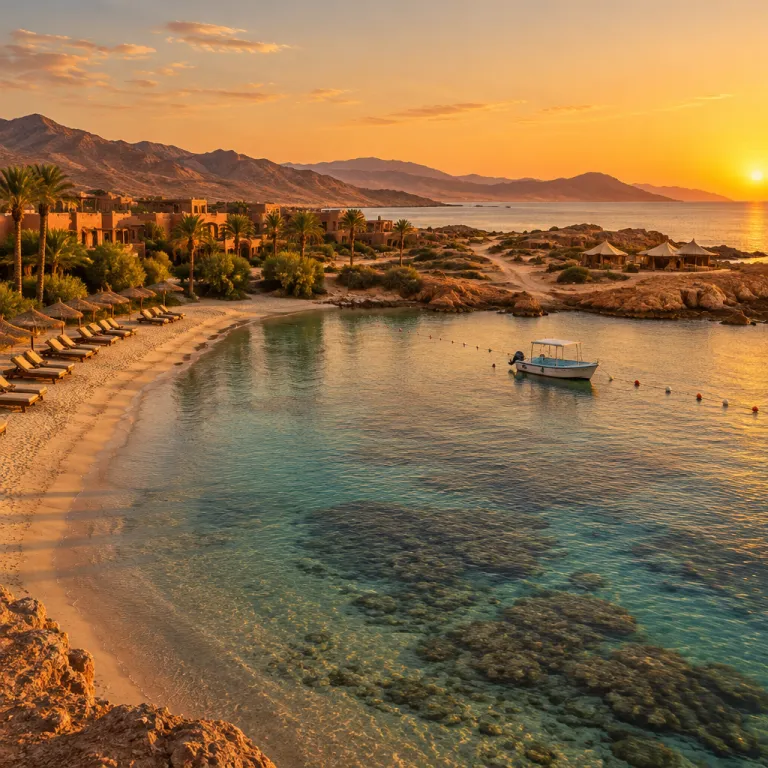
The mental map of Egypt’s Red Sea coast for family trips
The Red Sea is not one place but a long, intricate sea coast. From the Gulf of Suez down to the border with Saudi Arabia, each stretch of coast in Egypt feels like a different chapter of the same book you slowly read on a shaded terrace. To use any serious red sea resort egypt guide well, you first need a mental map of how these chapters connect and how they differ for a real family trip.
Think of Hurghada, El Gouna and the nearby resorts as the original playground of Egypt travel on the Red Sea. This is where large scale resort life began, where the sea is usually calm, transfers from Hurghada airport are short and the water sports menu runs from kitesurfing to glass bottom boats in a single morning. For many families planning to visit Egypt with children, this is still the best balance between easy access, reliable sunshine year round and a wide choice of premium properties at different price points.
Further south, Safaga and Marsa Alam feel quieter, with longer distances between each resort and a wilder sea Egypt horizon. Up in the Gulf of Aqaba, Sharm El Sheikh and the smaller bays of the Sinai Peninsula offer a different geometry again, with mountains dropping straight into the red sea and coral gardens starting almost at the shoreline. A good travel guide should help you see that the same sea, the same red light at sunset and the same Egypt red desert backdrop can host very different holidays depending on which part of the coast you choose.
Hurghada, El Gouna and Safaga: planned towns, marinas and easy water
Hurghada is the workhorse of Egypt travel on the Red Sea, a long strip of resorts, marinas and malls that runs parallel to the sea coast. Families who want a straightforward resort with short transfers from the airport, plenty of dining options and easy day trips inland often start their trip here. When you read any red sea resort egypt guide carefully, Hurghada usually appears as the most practical base for a first visit Egypt itinerary that mixes sea and culture.
North of Hurghada, El Gouna is a planned lagoon town where the water wraps around low rise hotels, villas and marinas in a network of canals. The vibe is calmer and more curated than central Hurghada, with golf courses, beach clubs and a compact town center that works well for evening strolls with children. Many premium resort options here sit on shallow lagoons rather than a dramatic house reef, so you trade instant scuba diving access for safe paddling, stand up paddleboarding and long, lazy swims in warm water that rarely feels rough.
South of Hurghada, Safaga stretches along a quieter piece of coast where the desert feels closer and the resorts are more spaced out. This is a strong choice for families who want a relaxed sea Egypt stay with good windsurfing and kitesurfing, but who still appreciate being within a reasonable drive of Hurghada’s airport and medical facilities. If you care about design as much as location, look for properties whose architecture echoes the coral stone floors and rooftops shaped like reef described in this Red Sea design language feature, because those details often signal a more thoughtful overall resort experience.
Sharm El Sheikh and the Sinai Peninsula: reef walls, bays and drama
Sharm El Sheikh sits where the Sinai Peninsula meets the Red Sea, with the mountains behind and the sea in front creating a natural amphitheater. Here, the coastline breaks into a series of bays, each with its own character, from the nightlife of Naama Bay to the quieter coves of Sharks Bay and Nabq. Any serious red sea resort egypt guide will tell you that choosing the right bay in Sharm El Sheikh matters more than choosing the right hotel brand.
For families, the key question is how close you want to be to the reef drop off that makes Sharm famous for scuba diving. Some resorts sit on dramatic headlands where the coral wall begins just a few fin kicks from the jetty, which is thrilling for confident swimmers but less ideal for toddlers who need a gentle sandy entry into the water. Other properties in Sharm or in the smaller towns of the Sinai Peninsula offer protected lagoons or long jetties with ladders, giving you both safe swimming zones and access to the red sea’s deeper blue for snorkeling.
Beyond the resort gates, Sinai holds a different kind of drama, from the climb up Mount Sinai at night to the quiet of St Catherine’s Monastery in the morning. Families who want to combine sea days with a sense of biblical landscape often choose Sharm as a base, then plan a time visit inland for a guided excursion. If you are considering Egypt travel that also includes the Nile Valley or even a side trip to the Giza Pyramids near Cairo, Sharm connects by domestic flights, but you should factor in airport time and transfers when deciding whether this is the best time to add Sinai to your route, especially if you are traveling with younger children.
For shoulder season planning across the country, it is worth reading this piece on Egypt’s autumn window and grand hotels, then mapping those insights onto your Red Sea dates, because the interplay between desert heat and sea breeze shapes how each resort coast feels.
Marsa Alam and the southern coast: house reefs and remote calm
Marsa Alam lies further south along the Red Sea coast of Egypt, where the desert feels emptier and the sea often looks a deeper shade of red at sunset. This is where the phrase house reef still means something concrete, because many resorts sit directly on coral systems that run parallel to the shore for kilometers. For families who plan their trip around snorkeling or scuba diving, a good red sea resort egypt guide will often point them here rather than to the busier hurghada sharm corridor.
The trade off is access, because transfers from Marsa Alam airport can be longer and flight schedules less frequent than those to Hurghada or Sharm El Sheikh. In return, you gain a quieter rhythm, fewer jet skis and a stronger sense of being on the edge of a vast sea Egypt landscape that stretches towards Saudi Arabia on the far horizon. Children who are comfortable in the water can spend hours drifting over coral gardens, while younger ones paddle in sandy pockets carved between the reefs, so you need to read resort maps carefully to understand how the shoreline is shaped.
All inclusive models here tend to be more self contained, because there is often no town like El Gouna nearby for an evening change of scene. That can work beautifully for a family that wants to slow down, but it demands that you pay attention to buffet quality, à la carte options and kids’ club programming before you book. When you plan to visit Egypt with both sea days and inland culture, you might pair a remote Marsa Alam stay with a few nights in Cairo or along the Nile, using a resource like this seasonal hotel guide to judge the best time for each region.
Linking sea, Nile and desert: how Red Sea choices fit a wider Egypt trip
Most families do not fly to Egypt only for the sea, even when the red sea is the headline. They want at least a glimpse of the Nile Valley, a day at the Giza Pyramids or a walk through Islamic Cairo before or after their resort stay. The art of using any red sea resort egypt guide well lies in understanding how your chosen coast will fit into that wider Egypt travel arc without exhausting everyone.
If you start in Cairo, you can spend a few days between the Egyptian Museum, the Giza plateau and the old quarters before flying to Hurghada or Sharm El Sheikh. This sequence works well for families because the intensity of the city and the Nile gives way to the calm of the sea coast just as everyone needs a break. Some travelers then add a short Nile cruise in the upper Nile Valley, turning the trip into a three part story of river, desert and sea that children tend to remember for years.
Others reverse the order, beginning with a week by the sea Egypt side to let jet lag fade, then moving inland to Cairo or Luxor when everyone is rested. If you are tempted by the Western Desert rather than a second coastal stop, consider the refined stays between Cairo and the oases described in this Bahariya oasis escapes guide. In every case, the best time to move between regions is usually early morning or late afternoon, when the light is soft and the heat less intense, so plan your transfers and internal flights with that rhythm in mind.
A decision framework: matching each Red Sea coast to how you actually travel
When you strip away the marketing, choosing the right Red Sea resort in Egypt comes down to four questions. How much do you care about instant access to deep water and coral, how sensitive are your children to transfer times, how much nightlife or external dining do you really use and how important is quiet. A thoughtful red sea resort egypt guide should help you answer these questions honestly rather than push you towards the latest opening.
If you want short transfers, a wide choice of resorts and easy day trips, Hurghada and El Gouna are usually the best fit. Families who prioritize shallow lagoons, marinas and a town feel tend to prefer El Gouna, while those who want more hotel choice and lower prices lean towards Hurghada itself. Safaga suits those who like wind sports and a calmer strip of coast, while Marsa Alam rewards travelers who will happily trade convenience for world class snorkeling and scuba diving on a house reef.
Sharm El Sheikh and the wider Sinai Peninsula work best for families who want reef drama, mountain backdrops and the option of excursions to Mount Sinai or desert monasteries. Here, you need to read bay maps carefully, because the difference between a sandy entry and a ladder off a jetty can define how relaxed your days feel with small children. Whatever you choose, remember that the Red Sea is only one chapter in the longer story of visit Egypt, so leave space in your itinerary for the Nile, for Cairo’s layered streets and for at least one quiet evening when you simply watch the sea change color and feel that you finally understand how this coast fits the way you actually travel.
FAQ: planning a Red Sea resort stay in Egypt
What is the best time of year to visit Egypt’s Red Sea with children ?
The Red Sea coast is a year round destination, but families usually find spring and late autumn the most comfortable. During these periods, daytime temperatures are warm enough for long hours in the water without the intense midday heat of high summer. If you are tied to school holidays, focus on resorts with plenty of shade, indoor kids’ spaces and calm sea entries.
Is Hurghada or Sharm El Sheikh better for a first Red Sea trip ?
Hurghada works well if you want short transfers, a wide range of resorts and easy links to Cairo or the Nile Valley. Sharm El Sheikh is stronger for dramatic reefs, mountain scenery and access to the Sinai Peninsula, but transfers between bays and the airport can be longer. For a first visit, many families choose Hurghada or El Gouna, then plan Sharm for a future trip when children are older and more confident in deeper water.
How do I choose between a lagoon resort and a house reef location ?
Lagoon based resorts, common in El Gouna and parts of Hurghada, offer shallow, usually calm water that suits younger children and casual swimmers. House reef locations, typical of Marsa Alam and some Sinai bays, give direct access to coral walls and better snorkeling or scuba diving, but often have deeper water and ladder access. Your choice should match your family’s swimming confidence and how central underwater life is to your trip.
Can I combine a Red Sea stay with visits to Cairo and the Giza Pyramids ?
Yes, many itineraries pair a few days in Cairo and at the Giza Pyramids with a week on the Red Sea coast. The most efficient routes use domestic flights between Cairo and Hurghada or Sharm El Sheikh, keeping overland travel time low. If you also want to see the Nile Valley around Luxor or Aswan, consider a short internal flight or an overnight train to link river and sea smoothly.
Are all inclusive resorts a good idea for luxury family travel on the Red Sea coast ?
All inclusive models vary by region and by property, so they are not automatically better or worse for luxury stays. In remote areas like Marsa Alam, a high quality all inclusive resort can be practical because there are few external restaurants, while in El Gouna or central Hurghada you might prefer a property that encourages you to dine around town. For premium family travel, focus less on the label and more on food quality, flexibility for children and whether the resort’s atmosphere matches how you like to spend your evenings.