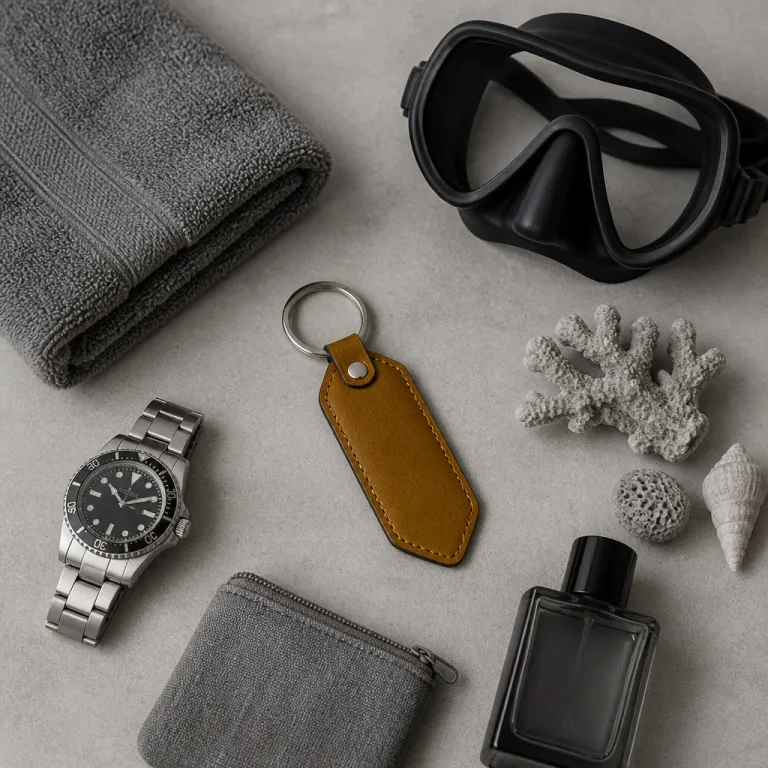
Sinai peninsula tourism for luxury seekers
Sinai peninsula tourism attracts travelers who want refined comfort beside raw nature. In this corner of Egypt, luxury hotels frame the sea and desert with polished service and curated privacy. From Sharm el Sheikh to the quieter coves of South Sinai, every premium stay can be shaped around your preferred pace of adventure.
High-end properties in Sharm el Sheikh line the Red Sea with private beaches, landscaped pools, and suites that frame sweeping views of coral-rich bays. These resorts anchor many Egypt tours that combine a few relaxed days on the coast with a cultural extension to Cairo or a Nile cruise between Luxor and Aswan. For guests comparing Sinai attractions, a dedicated concierge and expert guides often make the difference between a standard trip and a deeply personal experience of the peninsula.
Sinai peninsula tourism also benefits from the Egyptian Government’s focus on infrastructure and security, which reassures discerning visitors. According to summary figures regularly cited by the Ministry of Tourism and Antiquities and regional governorate reports, annual tourist arrivals in the region reach around 2,000,000 people, supported by roughly 150 hotels that range from intimate desert lodges to expansive sea-facing resorts. With an average temperature close to 25 °C across the year, based on long-term climate data from the Egyptian Meteorological Authority, the peninsula offers a comfortable climate for a day on the beach, a sunrise ascent of Mount Sinai, or a private Egypt tour that links the peninsula with the Nile Valley.
Where to stay in sharm el sheikh and south sinai
Sharm el Sheikh remains the flagship address for Sinai peninsula tourism, especially for travelers who value easy access and polished amenities. Luxury hotels cluster along Naama Bay, Sharks Bay, and the quieter stretches of the Red Sea coast, each offering a slightly different balance between nightlife, family facilities, and tranquil sea views. Many of these properties partner with experienced guides to arrange private tours to nearby Sinai attractions such as Ras Mohammed National Park and the desert interior.
In South Sinai beyond central Sharm, refined eco-conscious resorts near Dahab and Nuweiba appeal to guests who want more space and a stronger sense of Egypt’s desert landscape. These stays often integrate Bedouin hospitality, with local hosts arranging camel tours, stargazing evenings, and small-group adventure hikes into the mountains. One Dahab-based guide describes his ideal evening as “tea by the fire, a sky full of stars, and just four or five guests listening to stories about the old caravan routes.” When planning Egypt tours that include both Sharm el Sheikh and quieter coastal villages, consider splitting your time between a full-service resort and a more secluded property for contrast.
For travelers drawn to the spiritual history of the peninsula, luxury-friendly lodges around Saint Catherine provide a calm base for visiting St. Catherine’s Monastery and Mount Sinai. A curated St. Catherine’s Monastery tour from luxury Sinai stays can weave together early Christian history, Bedouin culture, and sunrise views across the desert. Many Egypt tour itineraries now pair a night near Saint Catherine with a longer stay in Sharm, allowing guests to balance sacred sites, Red Sea relaxation, and the broader experience Egypt offers.
From sea to sand: pairing red sea resorts with desert retreats
One of the strengths of Sinai peninsula tourism lies in how easily you can combine Red Sea indulgence with desert silence. Many premium travelers begin their trip in Sharm el Sheikh, enjoying a few relaxed days of snorkeling, spa treatments, and fine Egyptian cuisine beside the sea. Afterward, they transfer inland or along the coast to smaller properties that highlight the peninsula’s rugged mountains and star-filled skies.
These desert-focused stays often collaborate with Bedouin communities, whose role as local hosts and guides is central to responsible Egypt travel. Through them, guests can arrange sunset tours by 4x4, multi-day camel treks, or short walks that reveal the subtle history of trade routes and sacred valleys. For travelers who appreciate similar desert luxury elsewhere in Egypt, the serene stays at hotels in Siwa Oasis offer an interesting comparison to Sinai’s own desert retreats.
When planning Egypt tours that link Sinai with the Nile Valley, consider how many days you want in each landscape. Some itineraries pair a Red Sea resort with a Nile cruise between Luxor and Aswan, while others add a night in Cairo to explore ancient Egypt at the Egyptian Museum before flying to Sharm. Whatever the route, the best time to enjoy both sea and desert is usually outside the hottest summer months, when daytime temperatures are more comfortable for outdoor adventure.
Cultural and spiritual routes: mount sinai, saint catherine, and beyond
Sinai peninsula tourism is not only about beaches and coral reefs; it is also a gateway to some of the most resonant spiritual landscapes in Egypt. The ascent of Mount Sinai, often timed for sunrise, remains a defining experience Egypt offers to reflective travelers. Many luxury hotels coordinate private transfers, flexible start times, and knowledgeable guides to ensure the climb feels both safe and meaningful.
At the foot of the mountain, St. Catherine’s Monastery — often referred to as Catherine Monastery — preserves manuscripts, icons, and architectural layers that speak to the long history of Christianity in the peninsula. Official guidance from the Ministry of Tourism and Antiquities notes that “Beaches, Mount Sinai, St. Catherine's Monastery, coral reefs” rank among the main attractions in Sinai, and premium tour operators now design Egypt tour programs that give these sites the time they deserve. When comparing tours, look for Egypt tours that limit group size, include expert commentary on ancient wonders, and respect the rhythms of monastic life.
Beyond the monastery, cultural itineraries can extend toward the Suez Canal region, where the strategic link between the Mediterranean and Red Sea reshaped global trade. Some travelers then continue to Cairo for a deeper immersion in ancient Egypt, while others fly south to join a Nile cruise that connects Luxor and Aswan with temple-lined riverbanks. In every case, the best time allocation balances a few contemplative days in Sinai with more urban or river-based segments elsewhere in the country.
Designing an egypt tour that links sinai, cairo, and the nile
For many guests using a luxury hotel booking website, the goal is to weave Sinai peninsula tourism into a broader Egypt travel narrative. A classic pattern begins with two or three days in Sharm el Sheikh, followed by a short flight to Cairo for museums, markets, and views of the Nile from a riverfront hotel. From there, travelers often board a Nile cruise that sails between Luxor and Aswan, connecting the pyramids and temples of ancient Egypt with the coastal calm of the peninsula.
When comparing Egypt tours online, pay attention to how each itinerary sequences its day-by-day flow. Some programs rush through Sinai attractions in a single day, while others allow time for both Red Sea snorkeling and a carefully paced visit to Saint Catherine and Mount Sinai. A sample luxury itinerary might include three nights in Sharm, one night near Saint Catherine, two nights in Cairo, and four nights on a Nile cruise — enough time to experience Egypt without feeling hurried. The best Egypt tour options for discerning travelers usually include flexible check-in times, private transfers, and the possibility to add or remove days in each destination.
Responsible operators also coordinate with the Egyptian Government, local businesses, and Bedouin communities to align with national park regulations and cultural guidelines. This collaboration supports sustainable Sinai peninsula tourism while giving guests access to well-trained guides and reliable logistics. If you are interested in how sustainability standards are reshaping coastal stays, the article on mandatory sustainability for Nile cruises and Red Sea resorts offers useful context for evaluating hotel choices.
Practical planning: safety, seasons, and choosing the best view
Travelers considering Sinai peninsula tourism often ask first about safety, climate, and logistics. Official guidance from the Egyptian Government and recent Ministry of Tourism and Antiquities updates currently states that Sinai is generally safe for tourists, while also advising visitors to check current travel advisories before they book. Luxury and premium hotels usually maintain close communication with local authorities, which adds another layer of reassurance for guests arriving from Cairo or international hubs.
The best time to enjoy both sea and desert tends to be during the milder seasons, when daytime temperatures favor outdoor tours and evening breezes cool the coastline. With an average temperature around 25 °C across the year, Sinai allows for year-round swimming in the Red Sea and comfortable early morning hikes in the desert interior. When selecting a hotel, consider whether you prefer a panoramic sea view, a quieter garden setting, or a room that frames the rugged mountains of South Sinai and nearby national park landscapes.
Practical advice from experienced guides includes three simple but vital points for any trip in Egypt’s peninsula region. “Respect local customs and traditions” helps maintain good relations with Bedouin hosts, while “Stay hydrated in the desert climate” is essential for anyone planning a full day of hiking or dune-based adventure. Finally, “Ensure proper travel documentation” remains crucial for smooth movement between Sinai, Cairo, and other parts of Egypt during multi-stop tours.
Eco conscious luxury and the future of sinai peninsula tourism
Sinai peninsula tourism is evolving as more travelers seek eco-conscious luxury that respects both the Red Sea and the desert. Many high-end resorts now invest in reef-friendly practices, water-saving technologies, and partnerships with national park authorities to protect fragile marine ecosystems. This shift aligns with a broader rise in eco tourism across Egypt, where guests expect premium comfort without compromising environmental responsibility.
In Sinai, Bedouin communities play a central role in shaping sustainable adventure experiences, from low-impact hiking tours to small-group camel journeys that follow traditional routes. Tour operators increasingly highlight these collaborations in their Egypt tours, positioning them as a way to experience Egypt authentically while supporting local livelihoods. For travelers comparing options, the best Egypt tour choices often feature transparent information about community partnerships, conservation fees, and limits on group sizes in sensitive desert or coastal zones.
Looking ahead, Sinai attractions such as coral reefs, mountain trails, and cultural sites around Saint Catherine will remain at the heart of the peninsula’s appeal. The challenge — and opportunity — for luxury hotels and Egypt tour designers is to balance guest expectations for comfort with the carrying capacity of the Red Sea and surrounding desert. By choosing properties and tours that prioritize sustainability, travelers help ensure that the unique blend of sea, history, and adventure that defines Sinai continues to thrive for future visitors.
Key figures shaping luxury travel in the sinai peninsula
- Around 2,000,000 people visit Sinai annually, according to data summarized by the Egyptian Ministry of Tourism and Antiquities in recent tourism performance briefings, which underlines the peninsula’s importance within Egypt’s overall tourism economy.
- Approximately 150 hotels operate across Sinai, based on Ministry of Tourism and Antiquities statistics and governorate-level accommodation registers, giving luxury travelers a wide spectrum of premium and resort-style options along the Red Sea and in the desert interior.
- The average temperature of about 25 °C, reported in long-term climate tables by the Egyptian Meteorological Authority, supports year-round Sinai peninsula tourism that combines beach stays, desert tours, and cultural visits.
- Sharm el Sheikh’s coordinates of 27.9158 ° N and 34.3299 ° E, as listed by official Egyptian mapping resources, place it at the heart of South Sinai, making it a strategic base for accessing both marine national park areas and inland cultural sites.
FAQ about luxury stays and sinai peninsula tourism
What are the main attractions for luxury travelers in the sinai peninsula ?
Key attractions include the beaches and coral reefs of the Red Sea, the ascent of Mount Sinai, and visits to St. Catherine’s Monastery near Saint Catherine village. Many luxury guests also enjoy private desert tours, spa-focused resort stays, and curated Egypt tours that link Sinai with Cairo and the Nile Valley. Combining these elements allows travelers to experience Egypt’s sea, desert, and history within a single trip.
Is sinai safe for high end tourism and family trips ?
Sinai is generally considered safe for tourists, including families and older travelers, though it is wise to check current travel advisories from your home country before departure. Premium hotels in Sharm el Sheikh and South Sinai maintain close coordination with local authorities and the Egyptian Government to monitor conditions. Many Egypt tour operators also provide 24-hour support and private transfers, which further enhances the sense of security.
What activities pair best with a luxury hotel stay in sharm el sheikh ?
Popular activities include diving and snorkeling on the Red Sea reefs, day trips to Ras Mohammed National Park, and evening desert excursions with Bedouin guides. Guests often add a sunrise hike on Mount Sinai or a cultural visit to Catherine Monastery to deepen their understanding of the peninsula’s history. For longer itineraries, a Nile cruise between Luxor and Aswan or a city break in Cairo can be seamlessly combined with a resort-based stay.
How many days should I plan for sinai within a wider egypt tour ?
Most luxury travelers allocate between three and six days in Sinai, depending on how many activities they want to include. Shorter stays focus on relaxation in Sharm el Sheikh and one or two guided tours, while longer itineraries add desert nights and cultural visits around Saint Catherine. When linking Sinai with Cairo and the Nile, many guests plan a total of ten to fourteen days in Egypt to avoid feeling rushed.
When is the best time to visit the sinai peninsula for sea and desert experiences ?
The best time for balanced sea and desert activities is usually during the cooler months, when daytime temperatures are comfortable for hiking and outdoor tours. Thanks to an average temperature near 25 °C, swimming and snorkeling remain possible for much of the year, though midsummer afternoons can feel intense in the open desert. Checking seasonal climate data and aligning your trip with your preferred activities will help you experience Egypt in Sinai at its most enjoyable.