Red Sea EDITION resort design as a new language of shorelines
The phrase red sea edition resort design now signals a different kind of shoreline luxury. Instead of another anonymous sea facing complex, this hotel on Shura Island in Saudi Arabia treats every dune, rock and wave as part of its architectural brief. For couples used to Egypt’s Red Sea resorts, it offers a useful benchmark for what thoughtful coastal design can achieve.
Rockwell Group approached the Red Sea EDITION as a study in how desert, sea and light can shape a hotel rather than simply surround it. The architects use coral stone floors, earth toned walls and natural oak details so that the interiors feel quarried and carved from the same geology that frames the red sea itself. For travelers comparing resorts across Egypt and Saudi Arabia, this edition of coastal architecture shows how a brand can turn a fragile marine setting into a design driver rather than a marketing slogan.
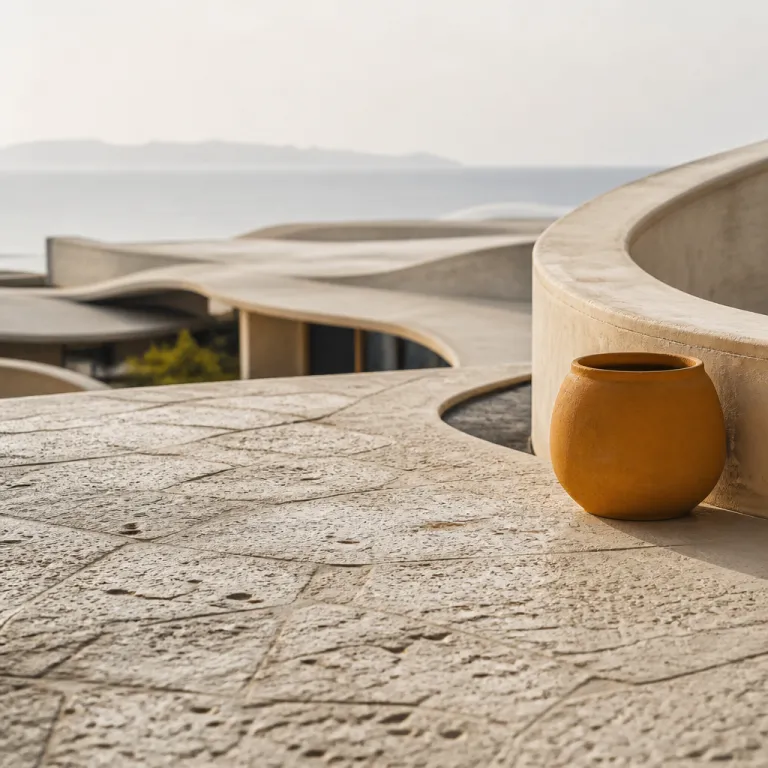
From the first arrival view, the resort reads as a low lying cluster of pavilions rather than a single monolithic hotel block. Each rooftop is custom shaped to resemble coral formations, so the skyline echoes the reef that lies just offshore in the sea. That decision alone separates this property from many Red Sea resorts in Egypt, where flat roofs and repetitive façades rarely speak to the underwater world that actually draws guests.
The red sea edition resort design concept extends to how guests move through the property. Covered walkways frame glimpses of the sea and of Shura Island’s pale sand, while courtyards collect breezes and soften the desert heat with pockets of lush greenery. For couples used to walking long internal corridors in conventional resorts, this edition of circulation feels more like wandering a coastal village than navigating a hotel.
For readers planning a stay on Egypt’s side of the red sea, understanding this sea edition approach helps decode what you are really paying for when you book a luxury room. You are not only buying a view or a beach, but an entire spatial choreography that either respects the shoreline or erases it. The Red Sea EDITION shows how architecture, landscape and brand values can align to create a resort that feels inevitable on its site rather than imposed on it.
From coral stone floors to natural oak: materials that carry the reef inland
At the heart of the red sea edition resort design is a material palette that quietly mirrors the reef without copying its colors. Underfoot, coral stone floors run through public spaces and rooms, their pale grain catching the low desert light with a soft, chalky sheen. The stone’s cool touch under bare feet after a day on the beach is a reminder that luxury can be tactile and understated rather than glossy.
Natural oak appears in ceiling beams, screens and furniture, its warm tone balancing the coral stone and grounding the interiors in something recognizably crafted. Rockwell Group uses this natural oak not as decorative trim but as structural rhythm, so that guests walking from lobby to rooms and suites feel a continuous, human scaled cadence. In a region where some resorts rely heavily on polished marble and reflective glass, this edition of material choices feels almost residential in its calm.
The way these materials frame the view is as important as the materials themselves. Window openings are cut to capture long horizontal slices of the sea and of Shura Island’s sandbars, while shaded terraces extend rooms and suites into the open air. For couples used to Egypt’s Red Sea hotels in Hurghada or along the refined coastal stays of the Red Sea Governorate, this focus on framing rather than maximizing glass can feel surprisingly intimate.
Inside, textiles and finishes keep the energy low key, allowing the red sea itself to provide the drama. Soft fabrics echo the tones of the beach and reef, so that when guests slide open doors to a terrace, the transition from interior to exterior feels almost seamless. This is where the red sea edition resort design differs from many conventional resorts, which often treat the room as a self contained bubble rather than part of a continuous landscape.
For travelers browsing myegyptstay.com and weighing where to book along Egypt’s coast, this material story offers a useful checklist. Look for resorts where coral stone or similarly grounded materials meet natural woods, where views red are framed rather than blasted through floor to ceiling glass, and where the palette supports the sea instead of competing with it. Properties that follow this edition of design thinking tend to age gracefully, which matters when you are choosing a hotel for a once in a decade romantic escape.
For more context on how Egyptian properties are evolving along the same shoreline, our guide to refined coastal stays in Hurghada shows how local architects are starting to echo some of these principles. The comparison highlights how a strong design language can travel across borders while still respecting each specific stretch of sea. It also underlines why couples should read beyond the room count when choosing their next Red Sea resort.
Rooftops shaped like reef: architecture in dialogue with Shura Island
The most striking gesture in the red sea edition resort design is overhead rather than at eye level. Each pavilion’s rooftop is custom shaped to resemble coral formations, turning the entire hotel into a sculpted archipelago when seen from the air or from the sea. This is not a decorative flourish but a way of making the building mass echo the reef that first justified developing Shura Island.
On the ground, those reef like roofs create deep overhangs that shade terraces, walkways and outdoor lounges. Guests feel the benefit as they move between rooms and suites, the beach club and dining entertainment spaces, always under a shifting pattern of light and shadow. The result is a resort that uses form to manage climate, reducing glare and heat gain while keeping the energy of the architecture quietly expressive.
Shura Island itself sits within a wider Saudi Arabia tourism vision, and the Red Sea EDITION is positioned as a flagship for that ambition. Partners such as Marriott International and The Red Sea Development Company have backed a design that treats the island as more than a backdrop, insisting that the hotel’s profile respects turtle nesting beaches and the fragile reef. Low glare lighting and carefully placed paths mean that inviting guests to the shore does not come at the expense of nocturnal wildlife.
For couples used to Egypt’s Red Sea resorts in places like Safaga, where long hotel bars line the coast, this approach feels almost restrained. Our feature on coastal elegance in Safaga explores how Egyptian properties are starting to break up their massing in similar ways, using clusters of low rise buildings instead of single blocks. The Red Sea EDITION pushes that idea further, turning every rooftop into a sculptural reference to the underwater world.
From a booking perspective, this matters because it changes how views are distributed across the resort. Instead of a few prime sea facing façades and many compromised rooms, the reef shaped roofs and staggered pavilions create multiple angles where views red of the sea and of Shura Island’s inlets are possible. When you book, ask how your chosen room type sits within this composition, because in a resort this carefully modeled, orientation is part of the luxury.
For Egyptian hoteliers watching from across the red sea, the message is clear. Architecture that responds to an island’s contours, that uses roofs as both climate tools and symbolic gestures, will feel more timeless than any themed façade. Couples who have stayed at the Red Sea EDITION will start expecting the same level of site specific thinking when they return to Egypt’s own Red Sea coast.
Sustainability as design driver: solar fields, turtles and no touch reefs
What sets the red sea edition resort design apart from many Gulf region resorts is how sustainability is woven into the architecture rather than appended as a checklist. The entire development runs on solar power, so the energy that cools rooms and suites and lights the beach club is drawn from the same desert sun that shapes the landscape. This commitment to renewable energy is not only an operational choice but a design constraint that has pushed Rockwell Group to think carefully about shading, orientation and material performance.
Lighting is another area where ecological ambition becomes visible form. Low glare fixtures along the beach and paths protect turtle nesting sites, ensuring that inviting guests to walk the shoreline at night does not disorient hatchlings that navigate by moonlight. For couples used to Egypt’s brighter Red Sea promenades, the softer glow here feels almost cinematic, a reminder that luxury can mean restraint as much as spectacle.
The resort’s relationship with the reef itself is defined by strict no touch diving rules, which shape how experiences include snorkeling, guided dives and marine education. Instead of building overwater structures that cast heavy shadows on coral, the red sea edition resort design keeps built mass on Shura Island and treats the sea as a neighbor rather than a platform. This approach aligns with a broader sea global movement in coastal hospitality, where access to the red sea or any other body of water comes with clear responsibilities.
For Egyptian travelers and hoteliers, there is a direct lesson here. Properties along the Red Sea coast in Egypt, from Hurghada to Marsa Alam, are increasingly judged not only on their beach and reef access but on how they steward those assets. Our deep dive into rewarding summer stays in Aswan shows a similar shift along the Nile, where energy use and river health are becoming part of the design conversation.
When you book a Red Sea resort, whether in Saudi Arabia or Egypt, ask specific questions about solar use, lighting strategies and reef protection. The Red Sea EDITION proves that a luxury brand backed by Marriott International can integrate coral stone, natural oak and advanced environmental systems without compromising comfort. As more couples experience this edition of sustainable luxury, expectations for resorts on both sides of the red sea will rise, and that can only be good news for the coastlines themselves.
Guest experience: pavilions, terraces and a new benchmark for Red Sea resorts
For all its architectural ambition, the red sea edition resort design ultimately succeeds or fails on how it feels to live in for a few days. The resort is organized as a series of pavilions that cluster around courtyards, pools and the beach club, so guests always have a sense of neighborhood rather than anonymity. Couples moving from room to jiwa terrace, from spa to jiwa beach, experience a sequence of spaces that feel curated rather than generic.
Inside the rooms and suites, the design language remains consistent with the public areas. Coral stone floors, natural oak joinery and soft textiles keep the palette calm, while carefully placed openings frame the sea, the island or pockets of lush greenery. This continuity matters, because it means that whether you are at the main pool, at a quiet wellness pavilion or on a private terrace, you always feel part of the same edition of coastal living.
Public spaces are where the resort’s energy shifts up a gear. The beach club anchors the shoreline with low slung structures that open directly to the sand, while dining entertainment venues step back slightly to protect views red along the coast. Experiences include open air dinners under the reef shaped roofs, spa rituals that draw on the red sea’s mineral rich waters and quiet hours on the jiwa terrace watching the light change over Shura Island.
For couples used to Egypt’s Red Sea resorts, where golf course views and large scale buffets often dominate, this more edited approach can feel refreshing. There is still room for activity, from water sports to potential golf or wellness programming, but the architecture keeps the focus on the sea and on human scale spaces. When you book, pay attention not only to room categories but to how circulation routes, terraces and shared lounges are described, because in a resort like this, those in between spaces carry much of the magic.
From a regional perspective, the Red Sea EDITION signals a new standard for Gulf luxury that will inevitably influence Egypt’s own coastal developments. As more travelers experience this edition of design led hospitality on Shura Island in Saudi Arabia, they will arrive in Hurghada, Safaga or El Gouna with sharper expectations. For myegyptstay.com readers, that is an advantage, because it encourages Egyptian resorts to refine their own architectural stories, ensuring that the next time you stand on a Red Sea balcony, the building beneath your feet feels as considered as the view.
How the Red Sea EDITION compares to Egyptian Red Sea resorts
For travelers focused on Egypt, the red sea edition resort design offers a useful lens through which to evaluate properties from El Gouna to Marsa Alam. Many Egyptian resorts already enjoy superb sea frontage and generous beaches, but their architecture often follows a familiar pattern of large blocks, repetitive façades and limited dialogue with the reef. By contrast, the Red Sea EDITION on Shura Island in Saudi Arabia shows how a resort can use coral stone, natural oak and sculpted roofs to create a more nuanced relationship with the shoreline.
In Egypt, some of the most interesting developments are moving in a similar direction, breaking down massing into clusters and using earth toned materials that sit more quietly against the desert. When you compare these resorts to the edition hotels approach in Saudi Arabia, look at how each brand handles transitions between interior and exterior, and how they frame the red sea rather than simply facing it. Properties that treat the sea as a partner in design, rather than a backdrop, tend to offer more memorable stays for couples seeking romance and calm.
Service and programming also reveal differences. At the Red Sea EDITION, experiences include curated wellness journeys, low impact reef excursions and dining entertainment that leans into the site’s natural drama rather than overwhelming it with noise. In Egypt, you will find a spectrum, from high energy all inclusive resorts to quieter properties that, like this edition of Saudi Arabia luxury, prioritize space, light and the sound of the sea.
For golfers, the comparison extends to how any future golf course or golf related amenities are integrated into the landscape. A course that respects dunes, native planting and views red of the water will feel more aligned with the red sea edition resort design philosophy than one that imposes bright green fairways without context. Couples who care about both sport and setting should ask how any golf facilities sit in relation to the beach, the reef and the main hotel buildings.
Ultimately, the Red Sea EDITION does not replace Egypt’s Red Sea resorts but reframes the conversation around them. It proves that a luxury brand working with partners such as Marriott International and The Red Sea Development Company can create a resort where architecture, sustainability and guest experience are inseparable. For myegyptstay.com readers, that means approaching every booking along Egypt’s coast with a sharper eye, asking whether the resort you choose tells as coherent a story in stone, wood and light as the one now unfolding on Shura Island in Saudi Arabia.
FAQ
What materials are used in the Red Sea EDITION's design?
The design incorporates coral stone floors, natural oak, and soft textiles. These materials help the resort blend with the surrounding desert and sea, while also delivering a calm, tactile sense of luxury. For travelers comparing Red Sea properties, this palette is a clear marker of the resort’s design ambition.
Who designed the Red Sea EDITION?
The hotel was designed by Rockwell Group. This New York based studio is known for hospitality projects where architecture and interiors are developed together, and at the Red Sea EDITION they also shaped the landscape experience. Their involvement is one reason the resort has become a reference point for coastal design in the region.
What is unique about the Red Sea EDITION's rooftops?
The rooftops are custom-shaped to resemble coral formations. This gives the resort a sculptural profile that echoes the reef just offshore, while also providing deep overhangs that shade terraces and walkways. Guests experience these roofs as both visual drama and practical comfort.
How does the Red Sea EDITION protect the surrounding reef and wildlife?
The resort uses 100 percent solar energy, low glare lighting to safeguard turtle nesting beaches and strict no touch diving rules to protect coral. Buildings remain on Shura Island rather than extending over the water, reducing direct impact on the reef. For travelers, this means access to the red sea comes with clear ecological safeguards.
What should I look for when booking a Red Sea resort in Egypt after seeing this design?
Focus on how the resort uses materials, light and layout to relate to the sea, not just on room size or pool count. Ask about energy sources, reef protection policies and whether rooms and suites are designed to frame views rather than simply face the water. Properties that echo these principles will usually deliver a more refined and future proof stay.