Thinking about a hotel in Cairo city center? Discover who downtown stays suit best, what to expect near the Egyptian Museum, and how to choose the right room.
Staying in Cairo city center: who it really suits
Step out on Champollion Street and you feel it immediately: this is Cairo city center at full volume. Car horns, the call to prayer, the smell of strong coffee from a corner café. For many travelers, this is the most vivid place to stay in Cairo Egypt.
The area around Tahrir Square and the Egyptian Museum is ideal if you want to explore Cairo on foot, not from the back seat of a car. A hotel Cairo city center location puts you roughly 100 metres from the museum’s entrance in some cases, and a short walk from the Nile River corniche, where feluccas catch the evening breeze. It is not a resort atmosphere. It is urban, dense, and intensely local.
This part of Cairo city works best for curious travelers who value access over seclusion. If your ideal experience is to step out of your hotel, cross to a kiosk for a bottle of water, then walk ten minutes to see Tutankhamun’s treasures, this is your place to stay. If you dream instead of a vast pool deck, manicured gardens and uninterrupted Nile views, a luxury hotel in the Nile City area or on the riverfront in Zamalek will suit you better.
Location and access: from museum steps to Nile river
From a practical standpoint, the central grid around Tahrir Square is one of the most strategic areas in Cairo Egypt. You are close to the main downtown arteries, a short drive from Cairo International Airport in off-peak traffic, and within easy reach of the bridges that cross to Zamalek and Giza. For a first stay in the city, this simplifies logistics dramatically.
Hotels Cairo in this core often sit on or just off streets like Talaat Harb, Qasr El Nil and Champollion. That means you can walk to the Egyptian Museum in minutes, then continue along the Nile River promenade towards the opera house or the boat restaurants moored near Qasr El Nil Bridge. At night, the city center glows with neon signs, bookshops still open late, and locals gathering for tea and shisha.
The trade-off is noise and intensity. A hotel Cairo in this area will rarely offer the same sense of retreat as a property further upriver. If you are sensitive to sound, check whether your chosen hotel has rooms on a higher top floor facing away from the main street, or inner-courtyard rooms that soften the city’s soundtrack. For many, the reward is worth it: you gain precious time back each day to explore Cairo instead of sitting in traffic.
What to expect from hotels in Cairo city center
City center properties here tend to prioritise function and proximity over spectacle. You will find straightforward rooms designed for short urban stays, often in mid-rise buildings that blend into the downtown skyline. Expect compact layouts rather than sprawling suites, with enough space for a comfortable bed, a small seating area and practical storage for a few nights in the city.
Many hotels in this area offer around 50 to 60 rooms, which keeps the atmosphere more intimate than the mega-complexes along the Nile. Breakfast is commonly included, typically served in a modest dining room rather than a grand ballroom. Think fresh flatbread, eggs, local cheeses, olives, and strong Egyptian coffee to set you up for a day of sightseeing.
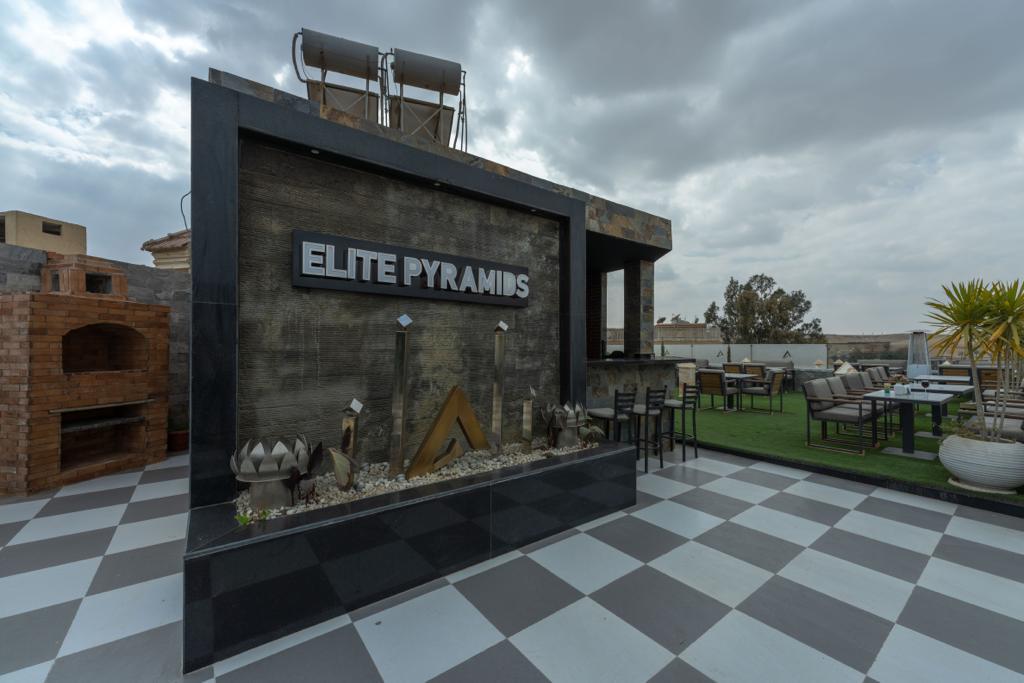
Facilities are usually geared towards essentials. You may find a small fitness centre or a simple rooftop terrace rather than extensive spa circuits or multiple signature dining venues. If a modern, design-led luxury hotel with dramatic views of the Nile City skyline is your priority, you will be happier in the riverfront strip where international brands cluster. Downtown, the value lies in being able to walk out the door and be in the middle of Cairo city within seconds.
Choosing the right room: views, floors and family stays
Room selection matters more than many travelers realise in this part of Cairo. Lower floors can feel immersed in the street’s constant movement, while upper levels gain both light and a degree of calm. When you book, check whether higher-floor rooms are available; even a few extra storeys can transform your experience of the city’s soundscape.
True Nile view rooms are rare in the tight downtown grid behind the museum. Most hotels Cairo city center offer urban vistas instead: rooftops, minarets, and the hazy outline of the river in the distance. If waking up to full, unobstructed views of the Nile River is non-negotiable, consider a luxury hotel directly on the corniche or in the Fairmont Nile and neighbouring riverfront cluster, where the architecture is oriented towards the water.
For family stays, look for interconnecting rooms or simple suites that allow parents and children to share a space without sacrificing privacy. Some properties in the area provide complimentary breakfast for all occupants, which simplifies mornings before you head out to explore Cairo. If you are planning several nights in the city, it is worth checking whether the hotel offers any long-stay arrangements or seasonal hotel offers that include extras such as late check-out or access to a small fitness centre.
Atmosphere, dining and the local experience
Downtown Cairo is not about hushed lobbies and silent corridors. It is about stepping out of your hotel and immediately being part of the city’s rhythm. On Champollion Street, for example, you are a short stroll from bookshops, casual koshary counters and traditional coffeehouses where students and older regulars share the same worn wooden chairs. This is where the local experience becomes tangible.
Dining within city center hotels tends to be straightforward: a main restaurant for breakfast and perhaps a small café or room service menu for simple meals. The real culinary interest lies outside. Within a 10 to 15 minute walk you can move from a no-frills falafel stand to a more polished Nile-side restaurant, then to a patisserie on Talaat Harb Street for late-night sweets. For many travelers, this freedom to graze across the city is more appealing than staying inside a single luxury hotel complex.
If you crave a more polished evening, it is easy to take a short taxi ride to the riverfront towers where international brands, including the Fairmont Nile and its neighbours, offer sophisticated dining rooms, cocktail bars and elevated views of the city lights reflected on the water. Staying in the city center does not limit you; it simply anchors you in a more authentic, lived-in part of Cairo while keeping those upscale options within easy reach.
Comparing city center with Nile-front luxury
Choosing between a hotel Cairo city center and a riverfront luxury property is ultimately a question of priorities. Downtown gives you immediacy: the Egyptian Museum almost on your doorstep, metro access nearby, and the ability to walk to the Nile corniche in under ten minutes from many streets. It is the perfect place to stay if your main goal is to explore Cairo’s cultural core with minimal transit time.
Nile-front hotels, by contrast, trade that urban immersion for space and spectacle. Here you find expansive lobbies, multiple restaurants, large pools and carefully framed views of the Nile River. A stay in this strip, including the cluster around the Fairmont-branded towers, suits travelers who want a resort-like base with a strong sense of modern luxury, then venture into the city in measured doses. You look at Cairo from a slight distance rather than living in its centre.
There is also a middle ground. Some properties sit just back from the river yet remain within walking distance of both the water and the museum area, offering a blend of convenience and relative calm. For a first visit focused on the main sights, a few nights in the city center followed by a night or two in a riverfront luxury hotel can work beautifully: you start close to the action, then end with a more contemplative stay watching the views of the Nile as the city lights come on.
Practical booking tips for a successful downtown stay
When you plan your booking for a hotel in Cairo city center, timing and details matter. Central properties near the Egyptian Museum are in demand with both leisure travelers and small tour groups, so reserving well ahead of peak seasons gives you better choice of rooms and floors. If you know you are sensitive to noise, explicitly request a higher floor or a room facing away from the busiest streets.
Before you confirm, check a few essentials: distance on foot to the museum and the Nile corniche, availability of airport shuttle service from or to Cairo International, breakfast arrangements, and whether the property has a basic fitness centre if you value a daily workout. For families, verify the bedding configuration and whether complimentary breakfast applies to all guests in the room. These small checks can make several nights in a dense city feel far more comfortable.
Finally, think about how you want to structure your time. If your priority is to explore Cairo’s historic core, a compact, well-located city center hotel is often the most efficient choice, even if it is less overtly luxurious than the big riverfront names. You can always take a short taxi ride in the evening to enjoy a drink with a Nile view on a top floor bar elsewhere, then return to your practical, central base. Autrement dit, let the city center work for you, and use the rest of Cairo’s hospitality scene as your extended living room.
Is staying in Cairo city center a good idea for first-time visitors?
For a first stay focused on the Egyptian Museum, the Nile corniche and the main downtown landmarks, Cairo city center is an excellent choice. You gain the ability to walk to key sights, reduce time in traffic, and experience a more local side of the city, at the cost of some noise and urban intensity compared with riverfront resorts.
How close are city center hotels to the Egyptian Museum?
Several hotels in Cairo city center sit within roughly 100 metres of the Egyptian Museum, often just a few minutes’ walk along streets like Champollion or Qasr El Nil. Even properties slightly further away usually remain within a comfortable walking distance, which is a major advantage for museum-focused itineraries.
Who is a downtown Cairo hotel best suited for?
A downtown Cairo hotel suits travelers who prioritise access to culture and everyday city life over resort-style seclusion. It works particularly well for short stays, solo travelers, couples and culturally curious families who want to step out of the lobby and immediately be in the middle of Cairo’s streets, cafés and bookshops.
What are the main differences between city center and Nile-front hotels?
City center hotels emphasise location and practicality, with compact rooms and immediate access to the Egyptian Museum and downtown streets. Nile-front hotels focus on space and amenities, offering larger facilities, multiple dining options and expansive Nile views, but require more driving time to reach some central sights.
How many nights should I plan in Cairo city center?
For most itineraries, two to three nights in Cairo city center is enough to visit the Egyptian Museum, walk the Nile corniche and get a feel for downtown life. Some travelers then add one or two nights in a Nile-front luxury hotel to enjoy more spacious facilities and uninterrupted views of the river before continuing their journey in Egypt.