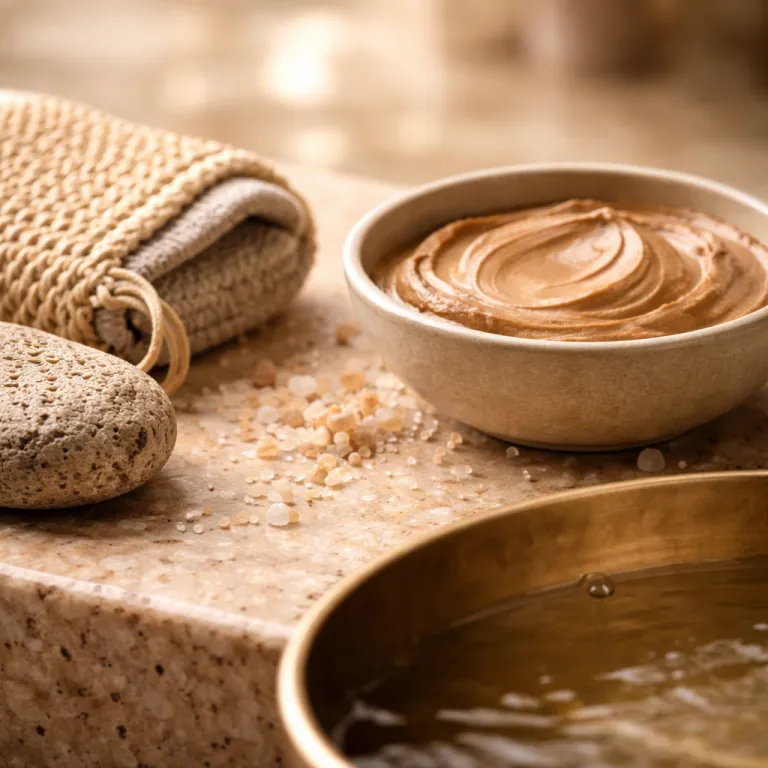
Why a wellness retreat in Egypt feels different for couples
Egypt is not just another place for a quick spa weekend. A serious wellness retreat in Egypt folds Nile light, desert silence, and sea air into every program, creating a setting where couples finally feel their bodies and minds slow together. The most thoughtful wellness retreats here understand that wellbeing is cultural, drawing on historic bathing, herbal, and spiritual traditions rather than copying a generic resort template.
For couples planning a wellness-focused Egypt stay, the first decision is rhythm. Do you want a structured wellness program with scheduled yoga sessions and full body treatments, or a looser retreat where spa experiences are woven around long breakfasts and late dinners by the sea? Many people arrive exhausted from long-haul flights via hubs such as South Africa or the Gulf, so a flexible first day with free time and light treatments often works better than a packed timetable.
Across Egypt’s governorates, from Alexandria to Aswan, wellness retreats now range from medical-style health resorts to intimate spiritual retreats with only a few guests. Some properties blend clinical diagnostics with massage and hydrotherapy, while others focus on somatic practices, meditation, and small-group workshops. At Mövenpick Resort & Spa El Gouna on the Red Sea, for example, couples can combine lagoon-side yoga with targeted spa therapies, while Old Cataract Hotel’s spa in Aswan pairs Nile views with hydrotherapy pools. These different options mean couples can choose between measurable health outcomes and more emotional recalibration, or design a stay that balances both approaches.
The three living traditions behind Egypt’s modern spa experiences
Every meaningful wellness retreat in Egypt rests on three living traditions that predate hotel spas. The first is the Ottoman-style hammam, still present in restored bathhouses in Cairo, where an attendant team guides people through steam, scrub, and foam massage in a sequence that feels both social and deeply private. At Hammam El Sultan in Historic Cairo, for instance, couples often book back-to-back sessions that include a 30–40 minute kese scrub followed by a short oil massage, typically priced from the equivalent of US$30–40 per person depending on add-ons.
The second is the oasis spring culture, especially around Siwa, where mineral-rich waters have supported health rituals for thousands of years and where pools are still used for gentle soaking and recovery. Operators near Cleopatra’s Spring maintain simple stone pools fed by naturally warm water; many retreats in Siwa, such as those hosted at Adrère Amellal, schedule late-afternoon soaks here as part of a wider wellness itinerary that also includes plant-based meals and stargazing.
The third tradition is Bedouin desert healing, now thoughtfully integrated at several retreats on the Red Sea coast and in Sinai, where spa experiences might include sand baths, herbal compresses, and night-time fire circles. When you book wellness retreats that reference these roots, read the details carefully to see whether treatments are led by local practitioners or visiting therapists with only surface knowledge. A serious stay will credit Bedouin healers by name where appropriate, explain each treatment clearly, and allow time for quiet integration rather than rushing couples from one activity to the next.
Ancient Egyptian influence appears in full body oil rituals, use of local salts and clays, and alignment practices that echo temple purification rites. Some upcoming programs frame themselves as “awakening retreats,” especially around the softer autumn travel window when temperatures ease and couples can spend more time outdoors. Whether you choose a hammam-focused day in Cairo, a spring-based wellness retreat in Siwa, or a Red Sea stay with desert-inspired protocols, the point is the same: to let old knowledge meet modern wellbeing expectations without turning everything into themed entertainment.
Hotel spas versus deep retreats: choosing the right format for two
Not every couple needs a full wellness retreat in Egypt to feel reset. Sometimes a well-run five-star spa inside a Nile-view hotel or a Red Sea resort is the most practical answer, especially if you are time-poor, jet-lagged, or mixing sightseeing with rest. A hotel spa can offer efficient full body massage, hydrotherapy, and facials in a single day, with easy booking, clear cancellation policies, and the comfort of returning to your own suite within minutes.
Immersive retreat options, such as multi-day programs at dedicated wellness centers near the meeting point of the Nile and the Mediterranean Sea, work differently. Here, wellness journeys unfold over several days, with a structured program of somatic practices, workshops, and tailored treatments that gradually recalibrate the nervous system. Hosts usually limit the number of people on site, which creates a quieter atmosphere for couples but also means you must secure dates early, especially around popular autumn and spring periods.
For some travelers, a health resort in places like Aswan or along the Red Sea offers a middle path between medical care and spa experiences. These properties combine diagnostics, physiotherapy, and targeted treatments with more classic spa menus, so a stay in Egypt can address chronic pain while still feeling romantic. At Kempinski Hotel Soma Bay’s Cascades Spa & Thalasso, for example, a 60-minute therapeutic massage with a licensed physiotherapist typically starts around US$90–120, with practitioners often holding international certifications in sports therapy or osteopathy. When you read reviews, look for comments about how staff handle couples, whether there are free hours in the program for private time, and how flexible the team is if one partner wants more yoga and movement while the other prefers quiet reading by the pool.
Couples, culture, and dress codes: how to move gracefully through wellness spaces
Shared wellness can be intensely romantic, but Egypt’s cultural codes matter as much as the massage menu. In city hammams and more traditional regional settings, modesty norms are stricter than spa marketing photos suggest, so women may prefer one-piece swimwear and men longer shorts, with couples sometimes separated by gender for parts of the ritual. At mixed-gender Red Sea resorts and international-style wellness retreats, dress codes are more relaxed, yet it remains respectful to move between room, pool, and spa with a robe rather than bare swimwear.
Before confirming any wellness retreat in Egypt, ask for written details about what to wear for each treatment and whether there are women-only or men-only hours. Some awakening-style and yoga retreats request white or neutral clothing for group sessions, while desert-based programs may advise head coverings and closed shoes for night walks. If you are planning a romantic stay, clarify whether couples’ massage rooms are available, whether there is free access to thermal areas, and how much time you can keep a space private without extra fees.
Communication between partners matters as much as communication with the host team. One person might crave a silent, introspective experience, while the other wants social spa time and long conversations with fellow guests from Europe, South Africa, or the Gulf. As one guest at a Red Sea retreat put it, “We agreed on one shared treatment a day and then gave each other space; that balance made the week feel like a reset rather than a compromise.” Agree in advance on solo time versus shared time, and use reviews to gauge whether a property leans more toward group bonding or quiet contemplation, so your wellness retreat supports both of your needs without friction.
Where to stay: three properties that bridge tradition and modern luxury
For couples who want a wellness retreat in Egypt that feels rooted yet refined, a few addresses stand out. In Aswan and along the Nile, several riverside resorts now use the water’s slow pace as a backdrop for wellbeing programs that combine medical insight with spa experiences, ideal for year-round stays. Along the Mediterranean Sea, small-scale retreats near the river delta offer intimate programs shaped by the meeting of river and open water, while still keeping the hardware to a discreet luxury standard.
In the desert, eco-lodges near Siwa Oasis strip away electric light and digital noise, leaning on spring soaking, starlight, and ancient Egyptian–inspired rituals to create some of the most memorable wellness experiences for couples who can live without constant connectivity. Here, days follow the sun, and treatments use local salts, clays, and oils, turning each full body massage into a geography lesson in touch. For those who prefer the Red Sea, established luxury resorts in Sharm El Sheikh and Hurghada remain benchmarks, with destination spas and programs that can be tuned from light pampering to serious body–mind work over several days.
Beyond these, centers across Cairo, the North Coast, Upper Egypt, and Sinai show how diverse wellness retreats have become across the country. A wellness retreat is a program focused on improving health and well-being through various activities and therapies, from yoga and meditation to nutrition coaching and hydrotherapy. According to Egypt’s Ministry of Tourism and Antiquities, wellness and medical tourism have been identified as priority growth segments within the national tourism strategy, reflecting rising demand for spa and healing-focused travel. If you want to pair these experiences with a romantic base, our guide to romantic luxury hotels in Egypt will help you choose a stay where the room, the spa, and the surrounding landscape all work together.
Planning your wellness focused Egypt stay: timing, logistics, and expectations
Thoughtful planning turns a good wellness retreat in Egypt into a quietly life-changing one. Many retreats operate year-round, but shoulder seasons such as September, October, and late spring offer softer light, kinder temperatures, and more time outdoors without heat fatigue. For couples balancing work calendars, these months also tend to have better availability, though the most sought-after properties still reward early booking.
Before you commit, check visa requirements, flight times, and transfer options between different regions, especially if you are pairing Cairo with the Red Sea or Upper Egypt. Ask each host for clear details on what is included in the program, from meals and treatments to free time, and read cancellation policies carefully, as smaller retreat centers often have stricter rules than large resorts. Many centers in Egypt offer wellness retreats focusing on holistic health, personal growth, and healing, and many programs cater to individuals at all levels of experience.
Pack for comfort rather than performance: light layers, natural fabrics, and swimwear that respects local norms will serve you better than fashion statements. What should you bring to a wellness retreat? Comfortable clothing, personal toiletries, and any necessary medications are essential, along with any supplements or supports recommended by your doctor. A typical sample day for couples at a Red Sea wellness resort might include sunrise yoga at 7:00 a.m., a long breakfast, a 90-minute couples’ massage in the afternoon (often priced from US$160–220 for two), and a guided meditation before dinner, with bookings usually secured by paying a 20–30% deposit in advance. When you read reviews, look for comments on how staff handle late arrivals, how flexible they are with program changes, and whether people felt their needs were heard, because in the end, the real luxury of a wellness-focused Egypt stay is feeling that time, space, and attention have been shaped around the two of you.
FAQ
Are wellness retreats in Egypt suitable for beginners?
Yes, many wellness retreats in Egypt cater to individuals at all levels of experience. Couples new to structured programs can start with shorter stays that combine gentle yoga, basic spa experiences, and plenty of free time, then build toward longer visits once they understand what suits their bodies and minds best.
How long should a couples wellness retreat in Egypt last?
For most couples, three to five days is the minimum for a meaningful wellness retreat in Egypt. A week allows you to settle into the rhythm of treatments, rest, and exploration without rushing, especially if you are crossing several time zones to reach the country. Longer stays at health-focused retreats across Egypt are ideal when you are working on specific wellbeing goals such as stress recovery or physical rehabilitation.
What is the best time of year for a wellness retreat in Egypt?
Wellness retreats in Egypt operate year-round, but shoulder seasons are often most comfortable. The September and October periods bring milder temperatures, making it easier to enjoy outdoor yoga, desert walks, and Red Sea swims. If you prefer hot weather and long pool days, peak summer can work, though you will likely spend more time indoors between treatments.
How do I choose between a hotel spa and a dedicated retreat?
Choose a hotel spa if you have limited time, want flexible scheduling, or are combining sightseeing with a lighter wellness experience. Opt for a dedicated retreat stay when you want a structured program, deeper therapeutic treatments, and an environment where everyone is focused on health and wellbeing. Reading detailed reviews and asking each host for a sample day schedule will quickly show which format matches your expectations as a couple.
What should I check before booking a wellness retreat in Egypt?
Before booking, confirm what is included in the price, from meals and treatments to transfers and use of spa facilities. Review the cancellation policy carefully, especially for small retreat centers that may have stricter terms than large resorts. Finally, ask for clear details on dress codes, language spoken by therapists, and how much free time is built into the program, so your wellness retreat in Egypt feels both structured and spacious.