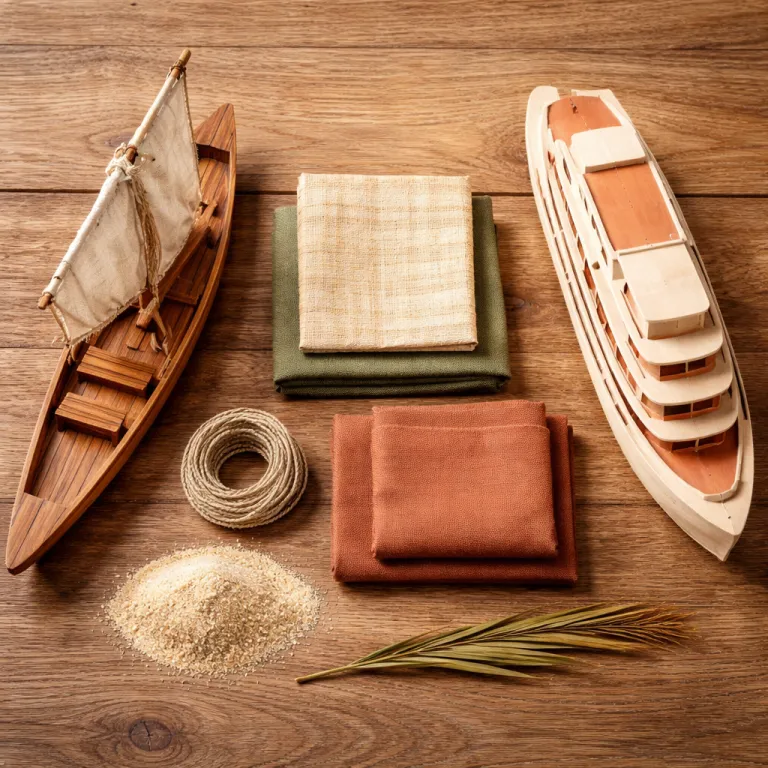
Why couples graduate from big ships to a dahabeya Nile cruise
A dahabeya Nile cruise changes how you read the river. On a traditional dahabeya, the pace of sailing along the Nile is set by wind and current, not by an engine chasing a timetable, which instantly shifts the whole experience into something quieter and more attentive. For couples returning to Egypt after a first whirlwind trip, this slower time on the ancient river often feels like the best way to finally breathe in the details.
The hardware difference is stark when you step on board. Classic Nile cruises on large ships may carry 80 to 150 guests, while a typical dahabeya cruise operates with around 8 to 20 passengers and roughly eight to twelve cabins, so every cabin feels closer to the water and the view is never blocked by a crowd. That small scale is why a luxury dahabeya has become the preferred cruise Egypt option for travelers who already know Luxor and Aswan and now want a more private river narrative.
On deck, the layout tells the same story. Instead of a stacked pool deck and buffet hall, you find a wide sun deck with low cushions, shaded pergolas and a few tables where a couple can linger for hours as they sail Nile stretches that big Nile cruises simply rush past. The smaller size of these dahabeya cruises means you hear the creak of wood and the rustle of sails, not the thrum of generators, and that sensory shift is often what guests remember long after the cruise package ends.
Wind, route and river: where a dahabeya can go that big ships cannot
The classic dahabeya Nile route for couples runs between Esna and Aswan. This Esna–Aswan stretch of the Nile River is where sailing vessels can slip off the beaten track, anchoring at quiet river islands and small Egyptian villages that rarely appear on standard Nile cruise itineraries. Because the dahabeya uses wind-powered sailing with a support boat rather than a fixed engine schedule, the captain can adjust time and stops with far more freedom.
Expect to visit sites that feel almost private. Many luxury dahabeya itineraries, such as those run by Nour El Nil or Lazuli, include El Kab’s cliff tombs, the sandstone quarries of Gebel el-Silsila and the less crowded bank near Edfu, places where large cruises either cannot dock or will not slow down, which gives your cruise dahabeya journey a different rhythm. When you add in twilight moorings opposite Kom Ombo or quiet mornings near fields north of Aswan, the route feels curated rather than compressed, and that is where a dahabeya cruise truly earns its reputation as the best way to sail Nile waters slowly.
For travelers comparing options, this matters more than any cabin brochure. A conventional Luxor–Aswan or Aswan to Luxor Nile cruise often repeats the same sequence of temples at the same time of day, while a smaller dahabeya Nile vessel can time visits to avoid the worst crowds and heat, especially around Kom Ombo and Edfu. If you are planning a longer Egypt journey that also includes Cairo, pairing this kind of river leg with a refined city stay works beautifully, and a carefully chosen mix of luxury Nile cruise hotels in Egypt’s river cities can help you match ships and shore stays for a coherent itinerary.
Life on board: cabins, service and the quiet luxury of space
Step into a double cabin on a well run dahabeya Nile boat and the first impression is proportion. You are not in a palace suite, yet the cabin feels generous because there are so few neighbours and the Nile view sits almost at eye level, which is a very different experience from a high deck on a large cruise ship. Most luxury dahabeya layouts offer a mix of double cabin and twin cabin options, with perhaps one larger suite, so couples can choose between compact coziness and a little more floor space.
Service is where these small cruises quietly outclass many bigger Nile cruises. With a typical passenger capacity of around sixteen people and a compact but highly trained équipe, crew members quickly learn your preferences, from how you take your coffee on the sun deck to whether you prefer a later breakfast after early temple visits, and that attention is what turns a simple cruise Egypt holiday into a tailored river stay. On many boats, including well known operators such as Nour El Nil, the same licensed Egyptologist guide will accompany you from Luxor to Aswan, which means the historical narrative of ancient Egypt builds day by day rather than resetting with each excursion.
This close-knit scale also shapes how you use shared spaces. The sun deck on a dahabeya cruise is rarely crowded, so couples can read, nap or simply watch the Nile River drift by without competing for loungers or shade, and evenings often turn into unforced conversations with fellow guests rather than staged entertainment. For independent travelers planning a wider route from Cairo to Upper Egypt, a dahabeya Nile cruise fits naturally into a hotel-led itinerary, and thoughtful planning makes it easy to link Cairo, Luxor and Aswan without ever joining a tour bus while still enjoying river time.
Food, culture and cost: what couples really get for their money
On a dahabeya Nile cruise, the kitchen is often the heart of the ship. With fewer guests than on large Nile cruises, chefs can shop frequently in riverside markets, bringing on board fresh vegetables, herbs and fish that translate into Egyptian dishes cooked to order rather than reheated from a buffet line, which makes each meal feel like part of the cultural experience. You sit down to shared tables or private two tops, and the crew serve you courses rather than directing you to a queue.
This scale also affects cost in ways that matter for couples. A luxury dahabeya generally prices per person at a similar level to a top suite on a large Nile cruise ship, often in the region of mid to high three figures per night depending on season and operator, but what you buy is not marble and chandeliers, it is time, silence and flexibility, and for many second time visitors to Egypt that trade off feels more honest. When you factor in that most cruise package options on dahabeya cruises include guided tours, meals and transfers between Luxor and Aswan, the overall value compares favourably with booking a standard cabin on a big ship and then upgrading every extra.
Cultural depth is another dividend. Guides on these smaller Nile cruises tend to stay with the group for the full Esna–Aswan route, so conversations about ancient temples, modern Egyptian life and the ecology of the Nile River continue over tea on the sun deck rather than ending at the bus door, and that continuity is priceless if you care about context. As one operator puts it without embellishment, “What is a dahabeya? A traditional Egyptian sailing boat used for Nile cruises.” and that simplicity is exactly what you are paying for, not a floating resort that could be anywhere.
Who a dahabeya Nile cruise is for, and how to choose the right one
A dahabeya Nile cruise is not the universal answer for every traveler. If this is your first time in Egypt, you are travelling with young children or you have significant mobility needs, a larger Nile cruise ship with lifts, multiple dining options and more structured facilities may serve you better, especially on the classic Luxor to Aswan route. The same applies if you want late night entertainment or a resort style pool deck, because a quiet cruise dahabeya will not suddenly turn into a floating nightclub.
For couples on a second or third visit, though, the equation changes. You already know the pyramids and the main Cairo highlights, so the river becomes the real focus and a smaller dahabeya cruise offers the best platform for that. In this context, names like Hathor, Lazuli and Nour El Nil signal a move toward intimate hardware, and several international luxury brands are now planning boutique-scale Nile vessels that echo the atmosphere of a private river yacht rather than a conventional ship.
When comparing dahabeya cruises, look beyond marketing language. Study deck plans to see how many cabins share the sun deck, check whether your double cabin has full height windows or smaller portholes, and ask for clear details on the exact Esna–Aswan or Luxor–Aswan route, including whether optional side trips to Abu Simbel or extra stops near Kom Ombo are offered by road. If you prefer to sail Nile stretches with minimal engine use, confirm how often the support boat tows the dahabeya, and remember that the best cruise Egypt choice is the one whose pace, size and service culture match how you actually like to travel; once you have that clarity, you can book dates, lock in flights and build the rest of your itinerary around the river.
FAQ
What exactly is a dahabiya and how is it different from other Nile cruises ?
A dahabiya is a traditional wooden sailing boat used for Nile cruises, usually with eight to twelve cabins and space for around sixteen guests. Unlike large motor ships, a dahabiya relies mainly on wind with a small support boat, so it can anchor at quieter spots and follow a more flexible route between Esna, Luxor and Aswan. This makes a dahabeya Nile cruise feel more like a private river house party than a conventional cruise Egypt experience.
How many passengers share a typical dahabiya Nile cruise boat ?
Most dahabiya cruises carry between eight and twenty passengers, with many operators designing boats for about sixteen guests to balance intimacy and viability. This low number means that each double cabin or twin cabin benefits from more personal service and less crowded public areas such as the sun deck. For couples, that scale is one of the main reasons to choose a luxury dahabeya over a larger Nile cruise ship.
What is usually included in a dahabiya cruise package ?
A standard cruise package on a dahabeya Nile itinerary typically includes accommodation in a cabin, all main meals, non alcoholic drinks, guided visits to major sites between Luxor and Aswan and transfers to and from the boat. Some luxury dahabeya operators also include entrance fees and domestic flights within Egypt, while others price those separately, so it is important to check the details carefully. Optional excursions to places such as Abu Simbel are often offered by road or air as add ons rather than being part of the core Nile cruises route.
Is a dahabeya Nile cruise suitable for a first trip to Egypt ?
A dahabeya Nile cruise can work on a first visit if you are comfortable with a slower pace and do not need big ship facilities, but many travelers prefer to start with a more conventional Nile cruise that offers lifts, multiple restaurants and larger pools. The dahabeya format shines for second or third trips, when you already know Cairo and the main highlights and want more time on the river itself. Families with very young children or guests with limited mobility may find a larger ship or a land based itinerary easier to manage.
How long should I plan for a dahabiya cruise between Esna and Aswan ?
The most common duration for dahabiya cruises on the Esna to Aswan stretch is four to seven nights, which allows time for key stops such as Edfu, Kom Ombo and smaller river villages without rushing. Shorter itineraries focus on the main temples, while longer ones add more off the beaten track moorings and relaxed sailing days on the Nile River. When planning your wider Egypt journey, many couples pair this cruise with several nights in Cairo and Luxor for a balanced mix of city hotels and river time.